The Musk Wealth Wave: Could a Potential SpaceX IPO Create a New Class of Corporate Millionaires?
SpaceX के IPO से 4,400 कर्मचारी बनेंगे करोड़पति, टूटेंगे अमीरी के सारे रिकॉर्ड!
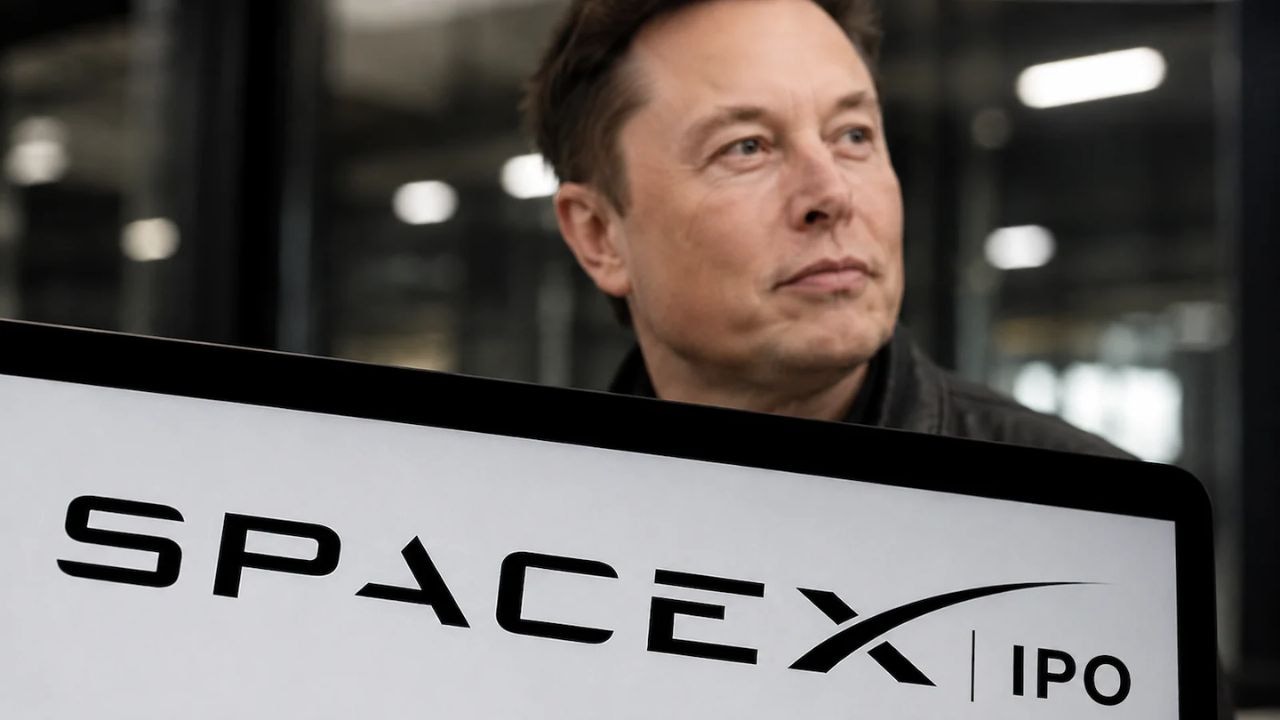
Speculation is mounting that a future public listing for Elon Musk’s aerospace giant could trigger one of the largest employee-wealth events in modern business history.
The rumour mill in Silicon Valley and beyond is working overtime as whispers of a SpaceX IPO gain momentum. While Elon Musk has historically kept his cards close to his chest regarding a public market debut, the scale of internal equity distribution suggests that if the company does eventually launch an IPO, the impact on its workforce would be unprecedented. Reports suggest that as many as 4,400 employees—ranging from lead engineers to support staff—hold stakes that could catapult them into the ranks of the millionaires overnight.
For a company that has redefined the economics of space travel, this transition from private to public equity would be more than just a financial milestone. It would effectively serve as a massive redistribution of the company's valuation, rewarding the long-term commitment of those who have spent years building reusable rocket technology. In the high-stakes world of aerospace, where talent retention is the primary currency, this potential liquidity event is being viewed as the ultimate retention bonus.
The Magnitude of the Stakes
To understand the gravity of this, one must look at the valuation of SpaceX. Since its inception, the company has operated with a unique culture, often trading cash compensation for stock options. As the company’s enterprise value has soared, these paper assets have become life-changing sums. Unlike traditional corporate bonuses, the wealth tied up in these holdings is a direct reflection of the company's success in commercial satellite launches and deep-space ambitions.
While financial portals like ndtv and other global business trackers continue to monitor the market for any official confirmation, the broader sentiment remains cautious. Musk has previously expressed hesitation about the short-term pressures that public markets impose on long-term R&D, and to date, no formal paperwork has been filed with regulators.
Why It Matters: The Bigger Picture
The real story here isn't just the creation of 4,400 millionaires; it is the precedent it sets for the future of "Deep Tech" and private enterprise. We are entering an era where private aerospace firms are effectively functioning as the new infrastructure of the global economy. A public offering would invite external scrutiny, forcing a transparent look at the balance sheets of a company that is currently handling critical government and national security contracts.
If the move happens, it will likely serve as a blueprint for how other capital-intensive startups—from AI labs to fusion energy projects—structure their equity. It forces a conversation about whether the "private-until-huge" model is the most sustainable way to innovate. For the average observer, this is a signal that the space race has finally reached a stage where it isn't just about government mandates or billionaire vanity projects—it is about creating a viable, profitable industry that can sustain thousands of careers.
Priya Nair covers parties, elections and the business of power for PoliticalPedia.