The Monsoon Gamble: Why India’s Rural Consumption Faces a New Climate Hurdle
Oil cools, monsoon heats up concerns for India's rural economy
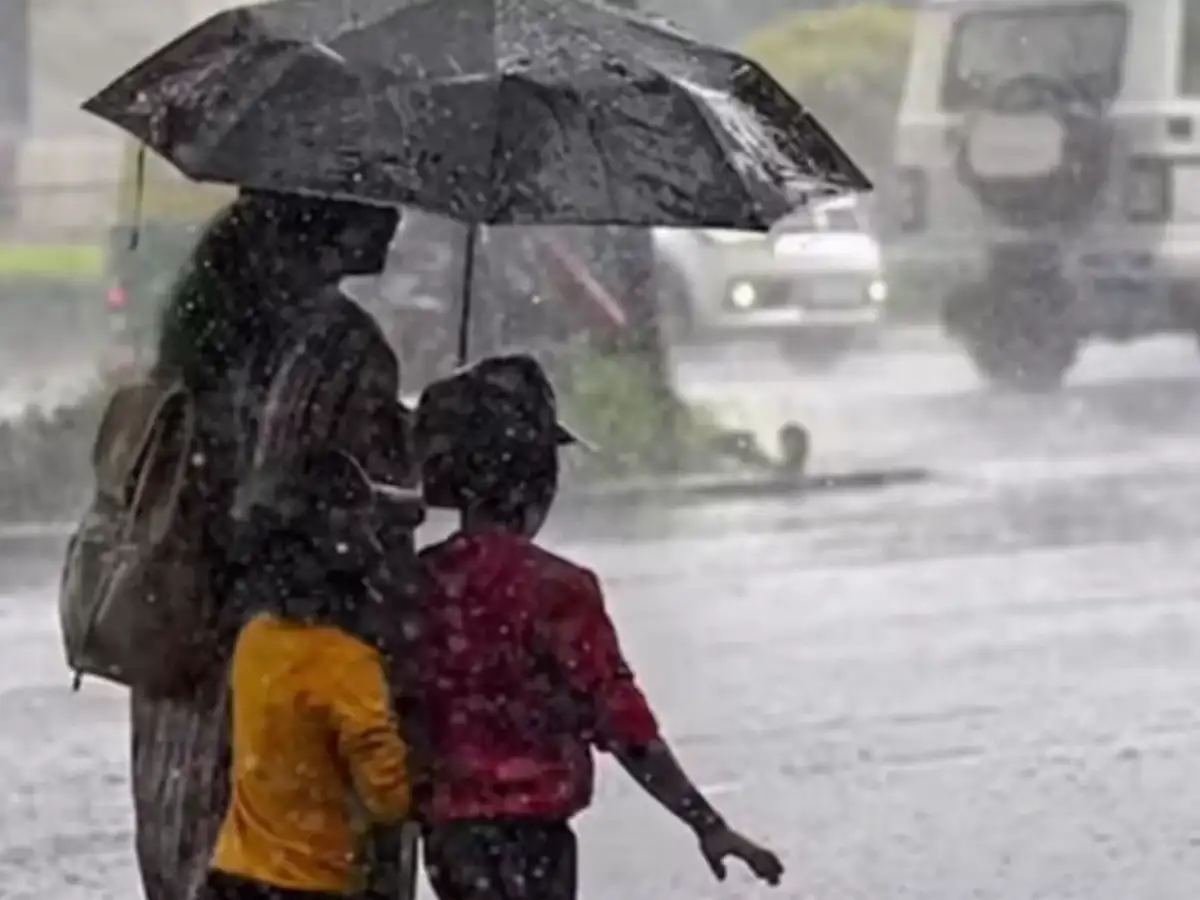
As global oil prices offer a rare reprieve for India's inflation outlook, the uneven arrival of seasonal rains threatens to dampen the vital rural engine of the economy.
The relief hitting the trading desks in Mumbai as oil prices moderate is proving short-lived. While lower crude costs are helping analysts trim their inflation forecasts, a more stubborn, weather-beaten challenge is brewing in the heartland. The monsoon, which typically acts as the primary lubricant for India’s economic growth, has arrived with a stutter—running about 43% below normal in recent weeks. For a country where rural markets accounted for nearly 60% of total consumption growth in the last fiscal year, the clouds hanging over the fields are now casting a shadow over corporate boardrooms.
The Rural Consumption Crunch
Industry leaders are watching the skies with palpable anxiety. The delay in the monsoon, coupled with reports of below-normal rainfall expectations, is forcing a rethink in corporate strategy. Companies are quickly pivoting toward diversified product portfolios to hedge against a potential slowdown. As Mayank Shah of Parle Products noted, rural consumers have a habit of turning cautious when the moisture in the soil is uncertain, often tightening their purse strings on non-essential goods until they have a clearer picture of their harvest income.
This isn’t just about agriculture; it is about the broader ripple effect on FMCG demand. Piruz Khambatta of Rasna Group points out that while the scorching heat drove record-breaking sales for summer-specific goods, the sustainability of that growth is now tied to the progress of the sowing season. If the kharif crop suffers, the disposable income that sustains demand for everything from soaps to snacks will inevitably contract.
Climate Volatility and the Inflation Paradox
The macroeconomic environment is currently caught between two extremes. On one side, the cooling of global oil prices provides a necessary buffer for the national exchequer. On the other, the volatile monsoon and the persistent threat of climate-driven heatwaves create a new, sticky inflation risk. With the IMD flagging a below-normal season and the lingering influence of El Niño, the supply chain for essential commodities faces a $300 billion vulnerability. When rain fails to fall on time, food prices often pick up the slack in the inflation basket.
Why it matters: The Bigger Picture
The Indian economy’s reliance on the monsoon is a structural reality that no amount of tech-driven retail growth can fully insulate. What we are witnessing is a pivot point: the rural economy has historically shown incredible resilience when rains eventually stabilize, but the margin for error is shrinking. If the current rainfall deficit persists, the corporate sector’s "growth expectations" will likely face a downward revision. Investors should monitor sowing data over the next few weeks; it is the most accurate barometer for the health of India's consumption story in the second half of the year.
While businesses are not yet hitting the panic button, the mood is one of measured watchfulness. The resilience of the rural consumer is a proven phenomenon, but that resilience relies on the promise of a harvest. For now, the nation waits for the skies to open, knowing that in the delicate dance between global energy prices and local weather patterns, it is the monsoon that currently holds the whip hand.
Ananya Iyer covers global affairs with an Indian lens for PoliticalPedia.