The Long Road to Redemption: Raul Jimenez’s Magical World Cup Moment
FIFA World Cup: Magical strike by Mexico’s most-loved striker
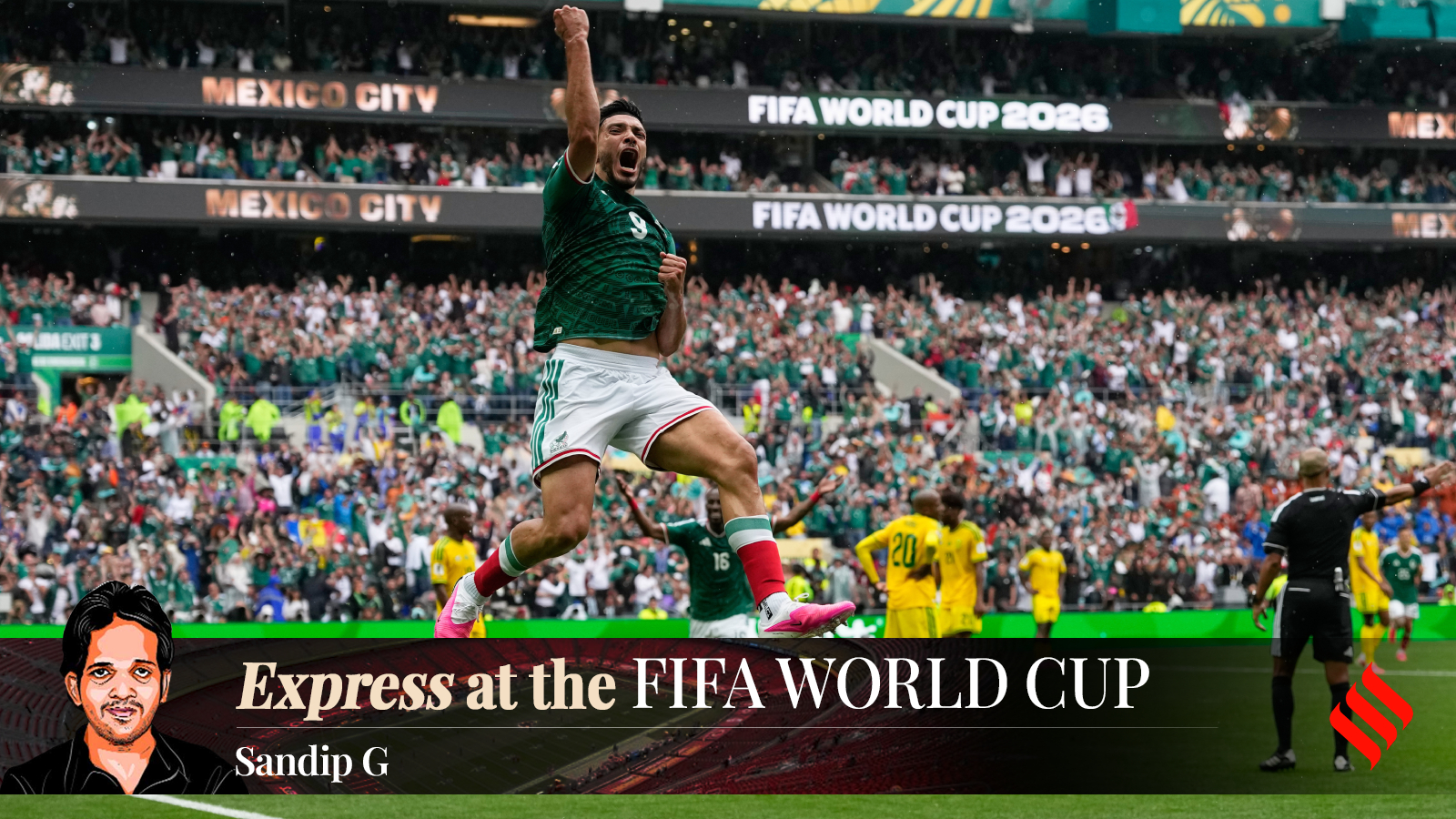
Four World Cups, a near-fatal injury, and a lifetime of waiting culminated in a header that defined Mexico’s opening victory.
The banner hanging outside the stadium said it all: “When Raul Jimenez plays, Raul Jimenez is the hero.” In a nation where football is less a sport and more a secular religion, the 34-year-old striker occupies a singular space. He is the face on a thousand billboards, the man spared from the vitriol that usually greets a misfiring Mexican forward. When he finally rose in the 67th minute to bury a precise header into the near post, he wasn't just scoring for his country; he was closing a chapter that had been cruelly interrupted by a fractured skull and years of uncertainty.
For the neutral, it was a moment of pure sporting theatre. The move began with a scything pass from Jimenez himself to Julian Quinones, who flicked it to Roberto Alvardo. As the midfielder scanned the box, he met the locked eyes of his talisman. The resulting cross was clinical, and Jimenez, unmarked and leaping with the desperation of a man fulfilling a childhood dream, did the rest. After the ball hit the net, he stood still—a statue of quiet relief, plucking tears from his eyes as the crowd roared.
A Career Shaped by Grit
This goal at the FIFA World Cup feels like a miracle when viewed through the lens of his past. A decade ago, this was the trajectory everyone expected, but fate had other plans. Between his early days in the small village of Tepeji del Rio and this afternoon, Jimenez endured an eternity on the bench and a surgeon’s table that nearly ended his career prematurely. While players like Patrik Schick have made headlines for their own moments of brilliance on the global stage, Jimenez’s journey is defined by a different kind of resilience—the sheer refusal to let a career-ending injury dictate his final act.
Though he has lost the blistering pace that once made him a nightmare for Premier League defenders at Wolverhampton, his intelligence has only sharpened. He operated as a deep-lying pivot against South Africa, constantly drawing defenders out of position to create space for Quinones and Alvardo. He is 34 now, playing with a heavy heart and a heavy load, yet he still possesses the instinctual sniff for a goal that marks the great strikers of the game.
The Bigger Picture
Why does this matter? Beyond the immediate scoreboard, Jimenez represents a vanishing breed of footballer—the emotional heart of a squad. In an era where modern football is increasingly dominated by cold, data-driven analytics and physical metrics, this magical performance was a reminder of the human element that keeps millions glued to the screen. Mexico’s victory, earned in a chaotic match marred by three red cards, suggests a team that has found its identity in the twilight of its leader’s career.
The broader implication for this tournament is clear: the underdog narrative remains the World Cup’s most potent currency. As Mexico navigates the group stages, the reliance on an ageing but tactically astute striker like Jimenez will be the team's greatest strength and, potentially, its most significant vulnerability. He is no longer just a player; he is the embodiment of a dream finally realised. Whether he can sustain this level of physical output remains to be seen, but for one afternoon, the narrative was perfect.
Ananya Iyer covers global affairs with an Indian lens for PoliticalPedia.