The Ledger of Faith: Why the Ayodhya Donation Probe is Shaking Political Foundations
Ayodhya Ram Mandir Donation Row Sparks Political Storm as Probe Faces Mounting Scrutiny | News18
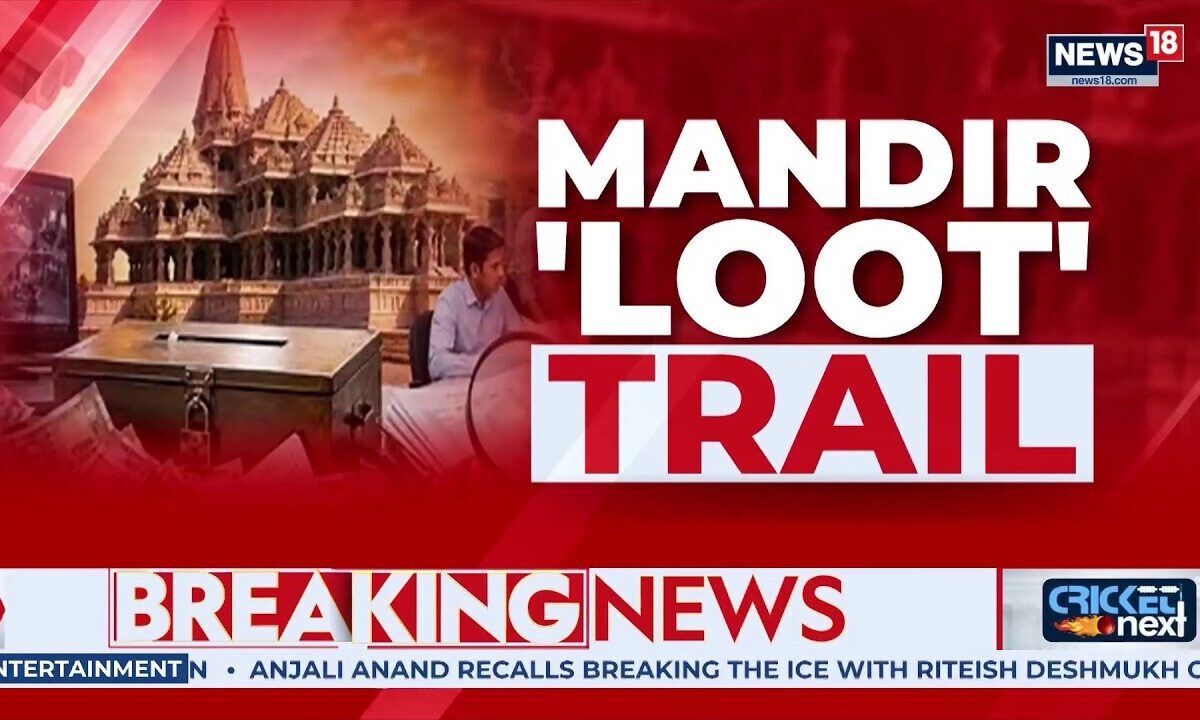
A fresh inquiry into the financial trail of the Ram Mandir has ignited a fierce political debate, casting a shadow over one of the most significant public fundraising efforts in recent memory.
The air in Ayodhya, once thick with the euphoria of the temple’s inauguration, is now heavy with the dust of administrative scrutiny. What began as a monumental project of faith has morphed into a complex ayodhya ram mandir donation saga, as a formal investigation into the management of funds encounters significant hurdles. As the probe faces mounting scrutiny, the narrative has shifted from the spiritual to the procedural, raising questions about transparency that echo far beyond the temple walls.
For months, the row sparks political storm, drawing lines between those who demand absolute accountability and those who see the investigation as a motivated challenge to the temple’s sanctity. While the news cycle remains crowded—from the latest updates on the cricket field to the buzz surrounding upcoming movies—this particular issue has stayed at the center of the national conversation. Digital platforms like news18 have been tracking the developments, as the sheer scale of the voluntary contributions makes any hint of financial irregularity a matter of intense public interest.
A Question of Accountability
At the heart of the matter is the process by which billions in donations were collected and subsequently utilized. Critics of the management are pushing for a detailed audit, arguing that the public, who contributed their hard-earned savings, deserves a transparent accounting of every rupee. Conversely, temple authorities maintain that the construction has followed rigorous protocols, suggesting that the calls for a probe are aimed at creating an unnecessary controversy.
The logistical reality of managing such a massive, decentralized influx of capital is unprecedented. From small-town bank transfers to massive corporate endowments, tracking the inflow was always going to be a monumental task. The current tension arises from a disconnect between the public’s expectation of pristine financial management and the administrative challenges of reconciling such vast, multifaceted accounts.
Why it matters
This situation serves as a stark reminder that in modern India, the line between religion and public administration is becoming increasingly porous. When a project becomes a symbol of national identity, its financial health ceases to be a private concern and becomes a public mandate. The fallout here isn't just about ledgers; it’s about trust. If the inquiry fails to provide clarity, it risks providing fodder for prolonged political friction, potentially overshadowing the architectural and cultural significance of the site itself.
Moving forward, the outcome of this investigation will likely set a precedent for how large-scale religious infrastructure projects are audited in the future. Whether the probe leads to systemic reforms or further polarization remains to be seen. For now, the story remains one of the most closely watched narratives in the country, proving that in the digital age, even the most sacred structures are subject to the cold, hard lens of fiscal accountability.
Kabir Sharma writes on culture, technology and everyday life for PoliticalPedia.