The July Rush: Indian Exporters Race to Meet UK Trade Pact Deadline
India-UK trade pact sparks rush of export orders ahead of July 15 rollout
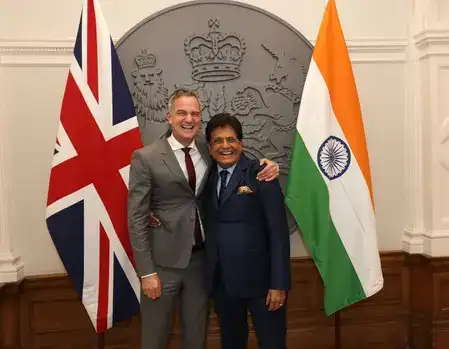
As the July 15 rollout of the new trade agreement approaches, Indian manufacturers are scrambling to clear a surge in international orders.
The floors of textile mills and leather workshops across India are buzzing with a rare, pre-deadline energy. With the Comprehensive Economic and Trade Agreement (CETA) set to come into force on July 15, businesses are front-loading shipments to ensure they hit the UK market just as tariff barriers begin to crumble. By eliminating duties that have historically reached up to 16% on leather and 12% on apparel, the deal is turning a long-held policy ambition into a tangible export reality.
A Surge in Volumes
The data reflects a palpable shift in demand. Textile and garment exporters are reporting a 12% jump in orders compared to this time last year, with industry veterans like Sharad Kumar Saraf of Technocraft Industries noting that the appetite for Indian cotton yarn and fabrics is clearly rising. The leather sector is seeing even steeper growth; Ramesh Juneja, promoter of the Kolkata-based JC Group, reports a 20% year-on-year increase in orders for handbags and shoes.
Gems and jewellery exporters are also positioning themselves for a windfall. According to the Gem and Jewellery Export Promotion Council’s Shaunak Parikh, current consignments worth $6.5 million are already packed and ready for the starting gun. Industry projections suggest that with a level playing field, bilateral trade in this segment could eventually swell to $7 billion, with $2.5 billion specifically flowing into the UK market.
The Friction of Compliance
While the mood is largely optimistic, the transition isn't entirely frictionless. Not every sector is experiencing a smooth takeoff. Toy manufacturers, for instance, are currently bogged down by complex regulatory requirements. Despite a spike in initial queries from British buyers, the time-consuming nature of these compliance processes is slowing down actual order conversions, highlighting the gap between policy intent and ground-level execution.
Why It Matters: The Bigger Picture
This rush represents more than just a momentary blip in trade statistics. It signals a shift in how Indian MSMEs interact with global supply chains. As the government urges exporters to sync their shipping schedules with the July 15 rollout, the focus has moved toward "policy agility"—a term often cited by the commerce ministry to describe India's intent to navigate global disruptions through faster, more targeted trade pacts. By lowering tariffs on chemicals, pharmaceuticals, and consumer goods, India is effectively betting that its manufacturing base can become more competitive against regional rivals. Success here will likely dictate the pace of future trade negotiations, proving that the real test of a pact isn't the signing ceremony, but the logistics that follow.
Kabir Sharma writes on culture, technology and everyday life for PoliticalPedia.