The indelible ink trail: How foreign nationals are under the scanner for voting in Tamil Nadu
Foreigners who returned after voting in T.N. Assembly election come under the scanner
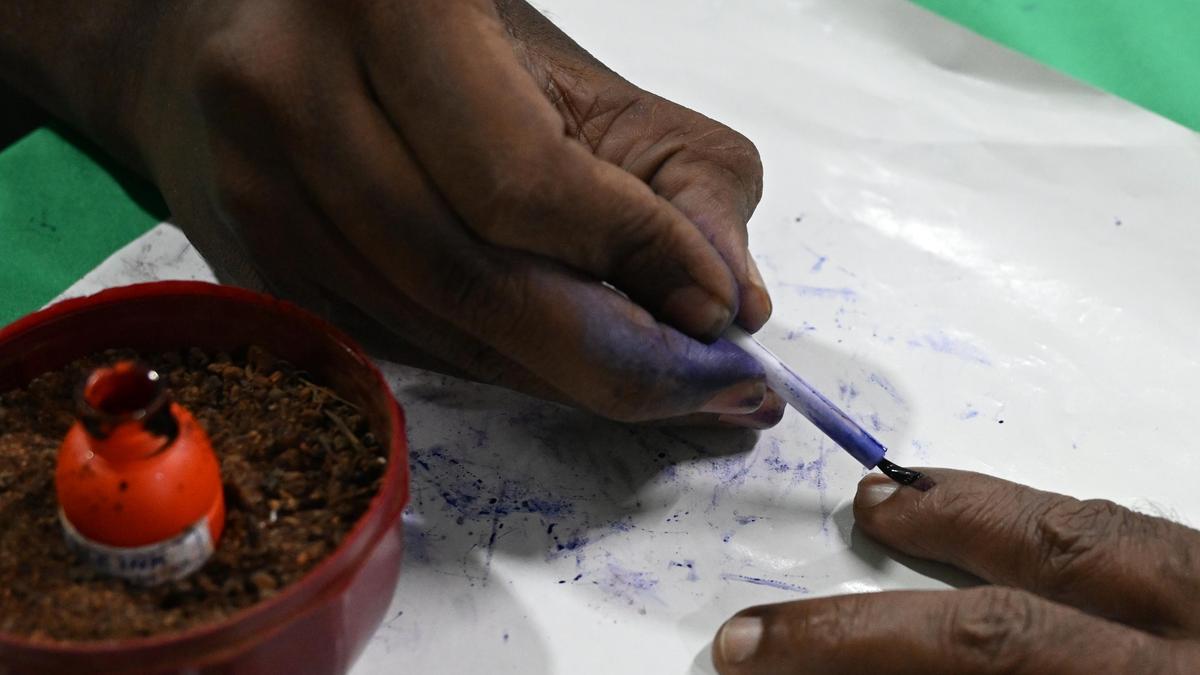
Investigators are tracking non-resident citizens who flew into Tamil Nadu to cast their ballots in the recent assembly election and departed shortly after.
The tell-tale stain of indelible ink on a finger is usually a badge of democratic duty, but for a small group of travellers at Madurai and Chennai airports, it has become the primary evidence of a legal breach. Immigration officials, noticing the fresh marks on passengers preparing to board international flights, have stumbled upon a growing trail of foreign nationals who returned to the state specifically to cast their votes in the recent Tamil Nadu assembly election.
With at least 40 cases already detected, central and state law-enforcement agencies have now launched a coordinated effort with the Election Commission of India. The objective is to identify individuals who arrived in India just before the polls and departed within a narrow window of 48 to 72 hours after polling day. By cross-referencing flight manifests with voter rolls, authorities are attempting to map the scale of what they suspect is a systematic misuse of the electoral process.
Digital breadcrumbs and administrative gaps
Investigators aren’t just looking at travel records; they are scouring social media for posts where individuals boasted about flying back to their home constituency to exercise their franchise. These admissions are proving vital. For a foreign national to vote, they must still be registered on the electoral roll—a list that should have been pruned during the Special Intensive Revision (SIR).
The administrative failure appears to lie in the enumeration process. Senior officials point out that in many instances, family members residing in the state likely filled out registration forms on behalf of relatives living abroad, providing false declarations about their residency status. If an individual is falsely shown to be a resident, their name remains on the rolls, creating a loophole that allows non-citizens to cast a vote.
Why it matters: The integrity of the roll
This episode highlights a vulnerability in India’s massive electoral exercise. While the Representation of the People Act, 1951, is clear that only citizens residing in India can vote, the gap between a person’s actual residency and their status on the electoral register remains a persistent challenge for the Election Commission.
When foreign nationals vote, it isn't just a procedural error; it is a direct violation of the law. Beyond the individual legal consequences—which include potential criminal charges for providing false declarations—the bigger picture concerns the integrity of the voter database. If electoral rolls are not updated with rigorous field verification to catch those who have permanently migrated, the system remains susceptible to misuse, undermining the sanctity of the constituency-level mandate. As the investigation deepens, the focus will likely shift to holding those who signed these fraudulent forms accountable, ensuring that the electoral process reflects only the voices of those who truly call the state home.
Politics Desk at PoliticalPedia covers parties & elections for an Indian audience in English and Hindi.