The Identity Crisis in Bollywood: Huma Qureshi and Kritika Kamra on the Future of Storytelling
Between visibility and storytelling: Huma Qureshi and Kritika Kamra on Bollywood’s future
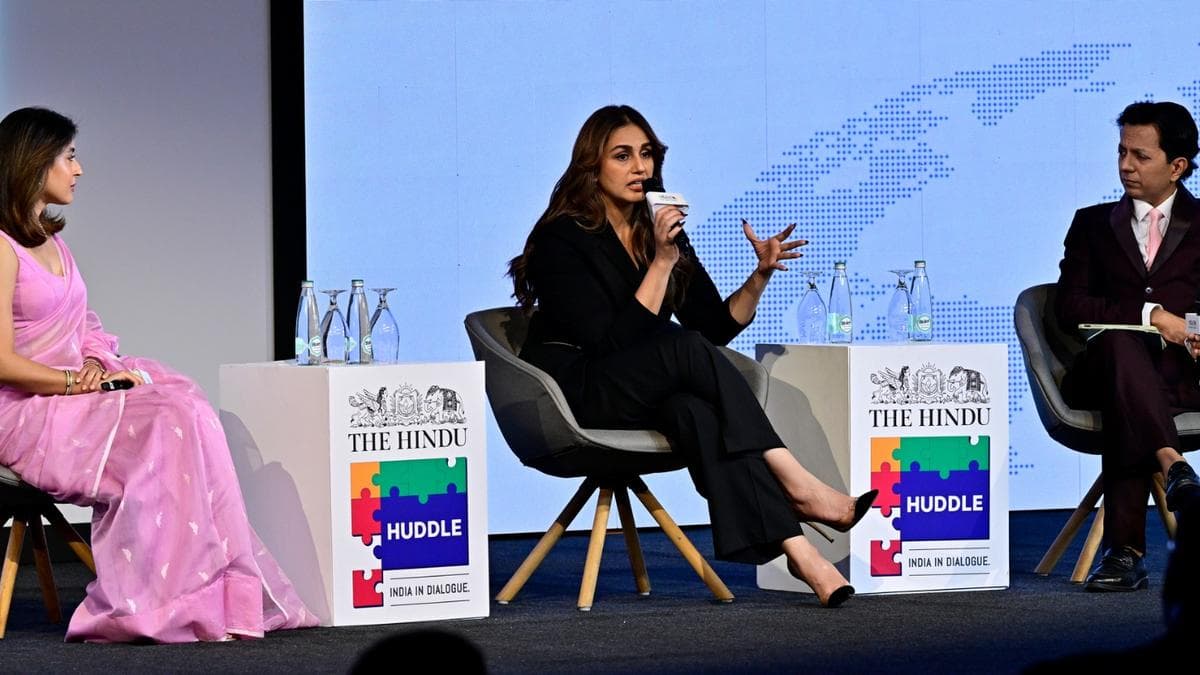
At The Hindu Huddle 2026, leading actors discussed the industry’s shift from narrative-driven content to numbers-focused production models.
The Indian film industry is currently navigating a period of significant introspection as production volumes have plummeted by 50%. Speaking at The Hindu Huddle 2026 on Friday, actor Huma Qureshi, who is preparing for the release of the film Toxic, noted that this decline reflects a broader confusion among filmmakers regarding their target audience. While Qureshi maintained that the current situation is not necessarily an "alarming sign," she expressed deep empathy for upcoming actors who now find the traditional path to opportunity increasingly obstructed.
The Shift from Substance to Stats
The conversation, titled ‘New Avatar for the Silver Screen: The Global Reach of OTT’ and moderated by journalist Rohit Khilnani, underscored a departure from the experimental optimism that defined the early days of streaming platforms. Kritika Kamra, known for her acclaimed performance in The Great Shamsuddin Family, argued that the industry has pivoted toward a "scary" reliance on metrics.
"Some incredible work was being done at the beginning of the OTT era," Kamra said. "Now, we are making movies for numbers. Visibility is being prioritised because it makes money." Both actors highlighted that this focus on algorithmic success has led to the near-disappearance of mid-budget films, a category they believe is essential for a healthy creative ecosystem.
Breaking Barriers and Building Careers
Despite the industry’s current turbulence, both actors remain committed to projects that challenge conventional boundaries. For Qureshi, whose work in the series Maharani reshaped her career trajectory, the focus is on narratives that can transcend cultural borders, similar to the global success of Squid Game or Adolescence. Kamra’s own experience with The Great Shamsuddin Family—a film that took eight years to reach audiences—proved that small-budget, poignant stories could find significant resonance with viewers worldwide, provided they are given the platform to reach them.
Addressing the rising trend of social media influencers attempting to pivot into professional acting, Kamra offered a word of caution to the next generation. She maintained that viral fame is no substitute for the craft. According to Kamra, the most effective way for aspiring performers to grow is to immerse themselves in the filmmaking process—attending auditions and assisting directors—rather than focusing solely on building a digital profile.
As Bollywood continues to calibrate its strategy for a changing global audience, the consensus between Qureshi and Kamra is clear: the industry must find a way to reconcile the need for commercial visibility with the storytelling integrity that once defined its best work. Whether the current dip in production leads to a sustainable new model or a permanent shift in how stories are consumed remains the industry's most pressing question.
The PoliticalPedia Editorial Desk brings verified, sourced political news and analysis from across India.