The hidden danger: Why the first month is critical after a heart procedure
Jaspal Rana death: Cardio explains why heart attack patients are at risk in the first month after procedure
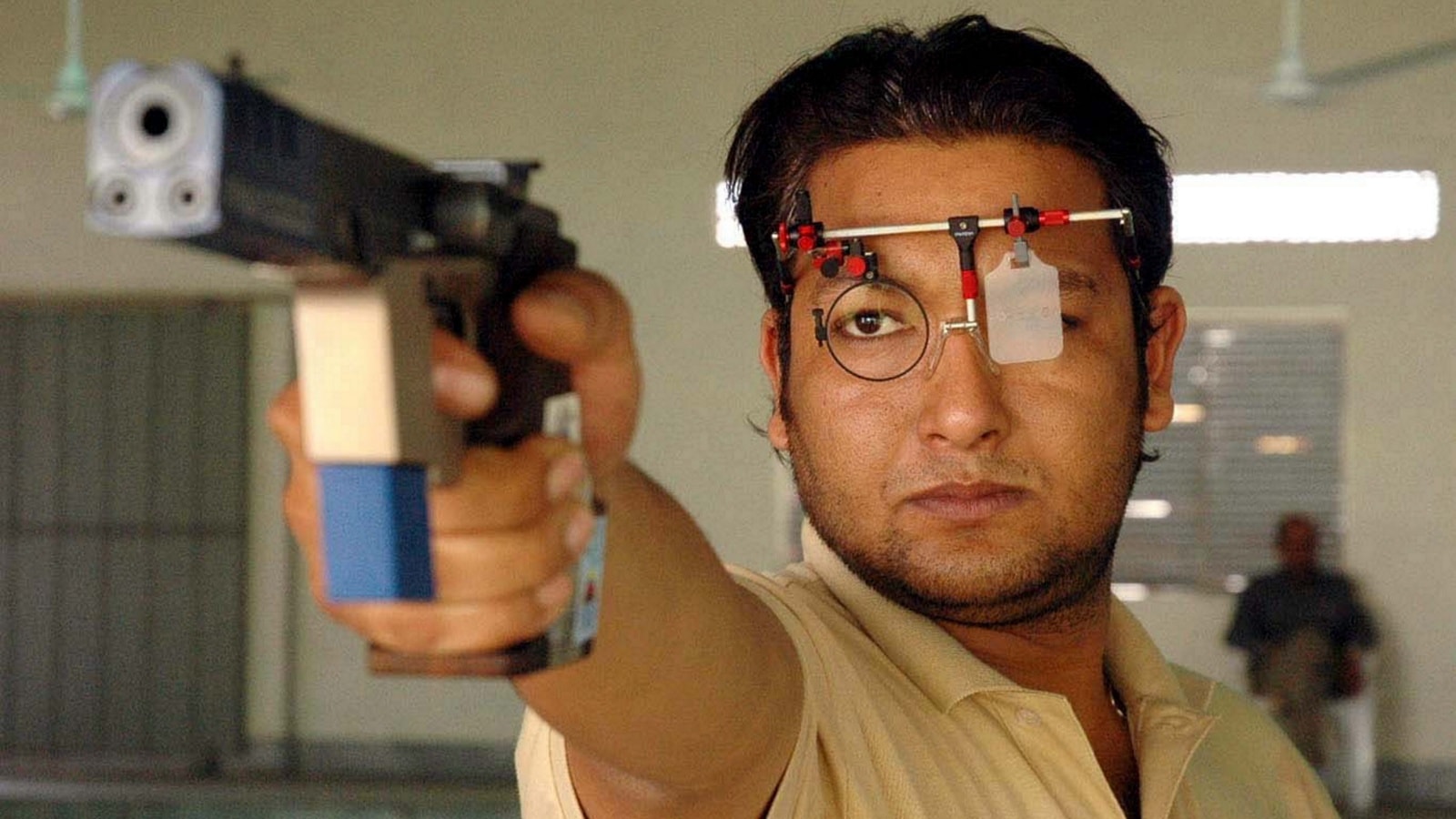
The tragic death of shooting legend Jaspal Rana highlights the overlooked risks patients face even after a successful artery-opening intervention.
The news of Jaspal Rana’s passing has sent shockwaves through the sporting community, but for medical professionals, it serves as a sobering reminder of a clinical reality that often goes unnoticed by the public: a successful angioplasty is not an immediate guarantee of recovery. Rana, who arrived at the hospital as a "late-stage presenter" following a heart attack, had undergone an emergency procedure to clear a blocked artery. Despite the intervention, his heart muscle had already sustained significant damage, leaving him in a precarious state of heart failure.
The window of vulnerability
When a patient presents late—hours after the initial symptoms of a heart attack begin—the heart muscle suffers from prolonged oxygen deprivation. According to Dr. Balbir Singh, Chairman of Cardiac Sciences at Max Hospital, Saket, this delay is the primary reason why even a technically perfect procedure cannot instantly restore the heart to full health. While stenting clears the blockage and restores blood flow, the muscle tissue itself may already be permanently weakened.
This residual damage is what creates the "high-risk" window. Patients in this category remain prone to secondary plaque ruptures and dangerous electrical irregularities within the heart for up to a month after the procedure. In Rana’s case, he was being prepared for discharge when a fatal cardiac complication occurred, illustrating how thin the line between stability and crisis remains in the immediate aftermath of a major cardiac event.
Why it matters: The bigger picture
The tragedy points to a systemic challenge in cardiac care: the "golden hour" concept. Public awareness campaigns have long focused on the signs of a heart attack, yet the cultural tendency to ignore chest pain or "wait it out" at home remains lethal. When a patient reaches the hospital late, the damage is often irreversible, turning a manageable cardiac event into a chronic, high-stakes battle for survival.
The implication for healthcare providers and families is clear: being discharged from the ICU is only the beginning of a long recovery. The focus must shift toward aggressive post-procedure monitoring. We are seeing a pattern where the success of a stent overshadows the underlying reality of a failing heart muscle. Clinical vigilance over that first thirty-day window is not just a protocol; it is a critical necessity for survival.
Managing the silent risk
The vulnerability of the heart muscle after an attack is compounded by its inability to handle physiological stress. Because the pumping function is compromised, the heart's electrical system becomes unstable, which can trigger sudden, fatal arrhythmias. This is why doctors emphasize that patients remain in a "sick" condition even after the blocked artery is open. Moving forward, the medical community must ensure that patients and their families understand that "out of the hospital" does not mean "out of danger," especially in the critical weeks following a cardiac procedure.
Rohan Gupta covers the economy, markets and companies for PoliticalPedia.