The Ghost of Khalra: Why the Sudden Disappearance of 'Satluj' from OTT has Stirred Punjab
'History cannot be banned': Political leaders slam removal of Diljit Dosanjh's 'Satluj' from OTT
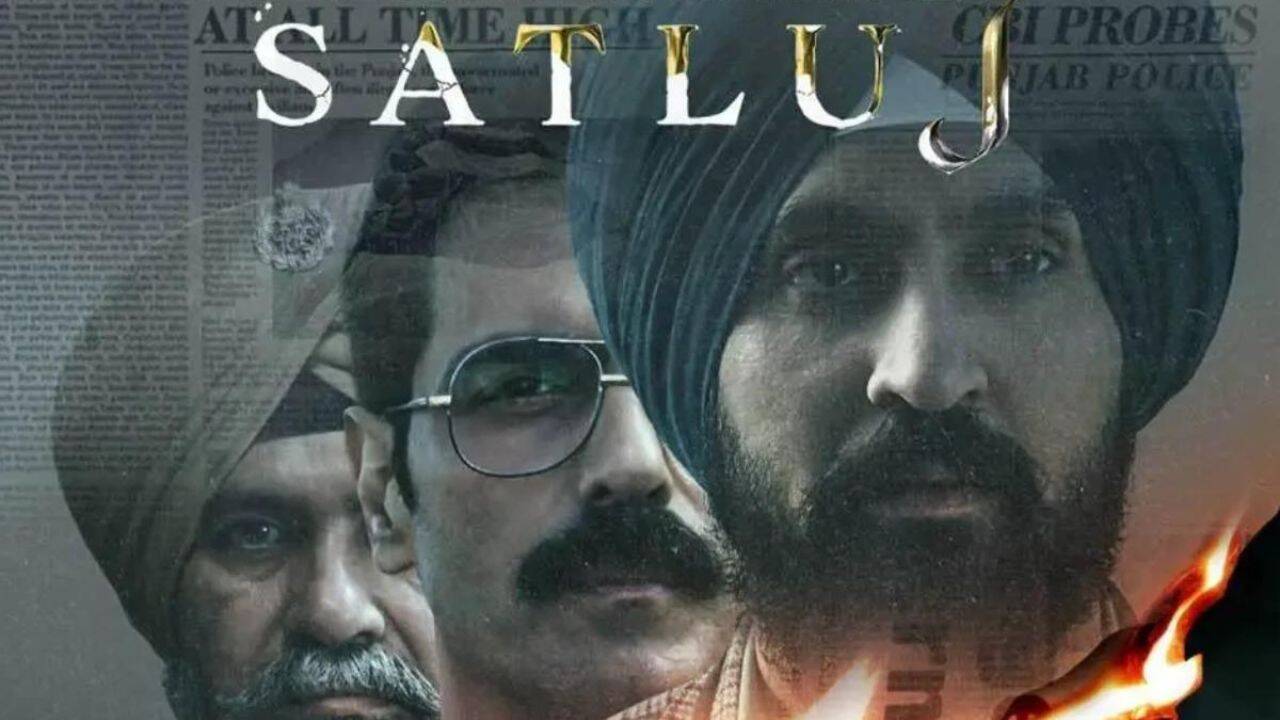
The abrupt removal of the Diljit Dosanjh-starrer from Zee5 has ignited a fierce debate over historical censorship and the right to confront a painful past.
For three years, the Honey Trehan-directed film Satluj sat in the corridors of the censor board, a silent witness to the bureaucratic friction often faced by projects dealing with sensitive historical chapters. When the film finally dropped on Zee5 this past Friday, it felt like a victory for narrative freedom. But by Sunday, the platform had pulled the plug. The film, which depicts the life and eventual disappearance of human rights activist Jaswant Singh Khalra, vanished from Indian screens without a formal explanation, leaving a trail of questions and a unified chorus of protest from across the political spectrum in Punjab.
A Rare Political Consensus
It isn't often that the Aam Aadmi Party (AAP), the Shiromani Akali Dal (SAD), and the Congress find themselves on the same side of a picket line. Yet, the removal of Satluj has achieved exactly that. SAD president Sukhbir Singh Badal didn't mince words, calling the move an "assault on our collective memory," while Congress leaders like Sukhpal Singh Khaira and Dharamvira Gandhi have labeled the censorship an unfortunate attempt to stifle the truth regarding the police brutality and disappearances that defined the 1990s in Punjab.
The AAP leadership has been equally vocal. Baltej Pannu and MP Malvinder Singh Kang argue that for a generation born long after the events of 1984 or the subsequent unrest, cinema serves as a vital bridge to understanding their own state’s history. For them, the film isn't just entertainment; it is an educational tool that, if blocked, leaves a vacuum that is filled by speculation rather than historical record.
The Shrinking Space for Dissent
The Shiromani Gurdwara Parbandhak Committee (SGPC) has also joined the fray, questioning why the state fears the depiction of reality. Meanwhile, the Punjab BJP leadership finds itself in a tight spot, with state president Kewal Singh Dhillon stating that the party is currently investigating the circumstances behind the decision.
This isn't just about one film starring Diljit Dosanjh. The pattern of pulling content from OTT platforms, often following invisible pressure, has created a chilling effect on creators. When history is treated as a liability rather than a lesson, the lines between protecting public sentiment and sanitizing the past begin to blur.
Why It Matters: The Bigger Picture
The controversy over Satluj highlights a growing friction between digital-era accessibility and the traditional mechanisms of state control. As OTT platforms become the primary archives for contemporary storytelling, their vulnerability to sudden, unexplained takedowns signals a precarious future for political cinema in India.
When historical narratives are curated through the lens of what is "permissible," the ultimate casualty is public trust. A society that cannot confront its own archives—whether they involve the activism of Jaswant Singh Khalra or the broader tremors of the late 20th century—risks losing its ability to engage in honest, necessary dialogue. The demand for the film’s restoration is not merely about a streaming service; it is a pushback against the idea that the state can curate the collective memory of its people.
Ananya Iyer covers global affairs with an Indian lens for PoliticalPedia.