The Fortress Exam: India’s Unprecedented Security Lockdown for the NEET Re-Test
NEET Re-Exam 2026: Massive Security Arrangements in Place Ahead of 22 Lakh Students’ Test
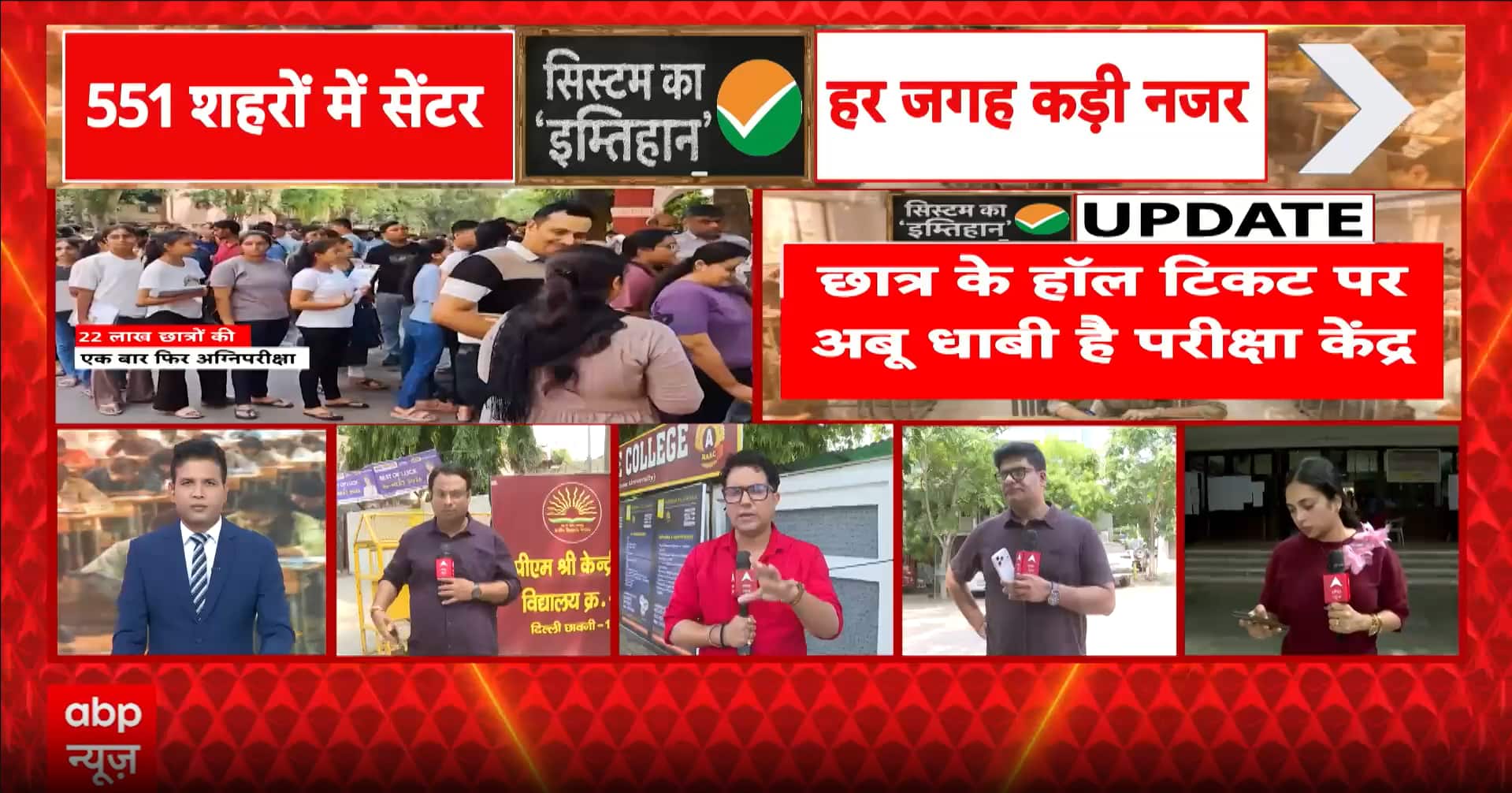
As 22 lakh students prepare for the NEET re-exam, the NTA and security agencies have turned the country’s largest medical entrance test into a high-stakes logistical operation.
The atmosphere across India’s education hubs is markedly different this week. As 22 lakh students gear up for the NEET re-exam, the silence in exam centers is being replaced by the hum of mock drills and the presence of paramilitary personnel. Following the controversy that marred the initial test, the National Testing Agency (NTA) is pulling out all stops to regain public trust, treating this re-test not just as an academic exercise, but as a national security priority.
A Logistical Mammoth
The scale of the security operation is staggering. Across states like Delhi, Bihar, and Uttar Pradesh, authorities have moved from routine exam protocols to a war-room approach. We are looking at nearly 2.5 lakh security personnel deployed nationwide, with the Indian Air Force even stepping in to ferry sensitive question papers securely. To prevent the digital leaks that crippled the previous cycle, the Union government has taken the drastic step of blocking Telegram channels until June 22, while the NTA has launched a dedicated portal for students to report any suspicion of malpractice or impersonation.
Inside the centers, the "lockdown" extends to the paper setters themselves, who have been sequestered until the exam concludes. Every center will operate under high-definition CCTV surveillance, with 674 coordinators and over 6,500 observers monitoring the proceedings in real-time. Students are facing strict entry protocols: no electronic gadgets, only transparent water bottles, and biometric verification that leaves little room for proxy candidates.
Grassroots Support and State Preparedness
Beyond the surveillance, there is a visible effort to ensure that the stress of the re-exam doesn't unfairly impact candidates. State governments, notably Bihar, have stepped in to offer free bus travel for students heading to their centers. High-level reviews chaired by Union Minister Dharmendra Pradhan have ensured that the coordination between the center and states is seamless. Special trains and added transport support are being arranged in various regions to ensure that the logistical nightmare of moving millions of aspirants doesn't lead to further disenfranchisement.
Why It Matters: Rebuilding Institutional Trust
The significance of this operation extends far beyond the medical entrance test. For the NTA, this is a make-or-break moment. The massive security arrangements in place ahead of the NEET re-exam suggest that the establishment is acutely aware that the credibility of India’s competitive examination system is under the microscope.
If this cycle proceeds without a hitch, it may stabilize the nerves of millions of families. However, the reliance on such heavy-handed security—jamming apps, involving the Air Force, and paramilitary deployment—highlights a systemic vulnerability. It reflects a shift in how India conducts public testing: moving away from a culture of trust toward one of total, verified surveillance. The success of this exam will be judged not just by the marks the 22 lakh students secure, but by the absence of the word "leak" in the post-exam narrative.
Ananya Iyer covers global affairs with an Indian lens for PoliticalPedia.