The Final Over: Why Ben Stokes Walking Away Changes Everything for England Cricket
'I don't have any more fight left in me': Ben Stokes reveals reason behind shock retirement
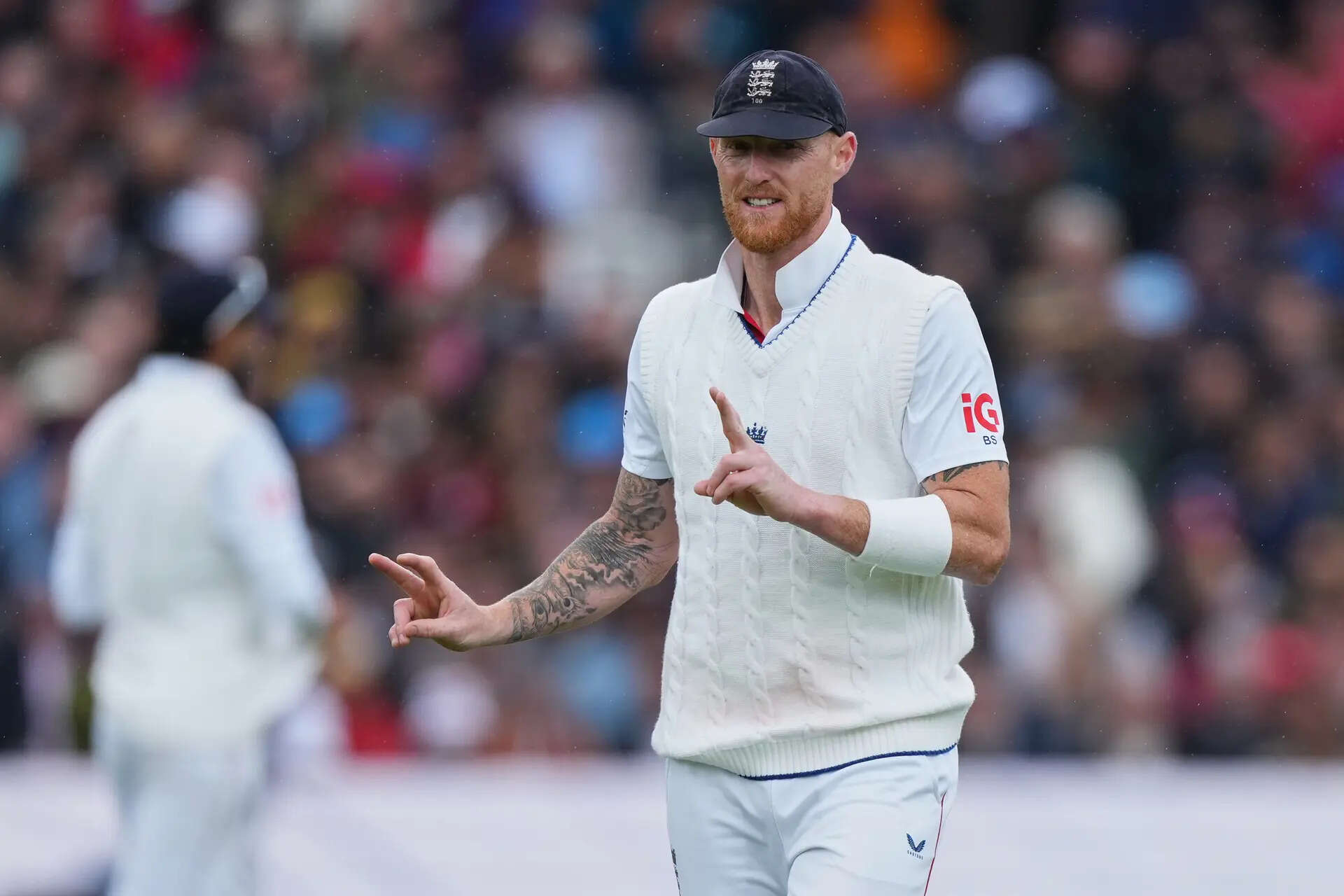
The England captain’s candid admission about his mental exhaustion signals a quiet crisis in the modern game where the lines between professional duty and personal burnout have blurred.
The silence at Trent Bridge felt heavier than usual this Sunday. When Ben Stokes confirmed he was stepping away from all international cricket, he didn’t lean on the usual script of "spending more time with family" or "pursuing new opportunities." Instead, the 35-year-old offered a raw, bruising honesty that caught the cricketing world off guard. For a man who has built his career on being the ultimate survivor—the talisman who drags his side back from the brink—the admission was stark: "I don't think I have any more fight left in me."
The Weight of the Ashes
While social media buzzed with theories about off-field controversies, the reality, according to Stokes, was far more internal. The turning point wasn't a single injury or a bad innings, but the long, agonizing shadow of England’s 4-1 Ashes defeat in Australia. That series was a crucible that seemed to strip away more than just statistics; it eroded the mental reserves Stokes had relied on for 15 years.
He described the moment of clarity as a quiet, private realization shared with his wife. The process of speaking aloud, of letting the exhaustion surface, made it impossible to ignore. For someone who has spent his life priding himself on the ability to compartmentalize disappointment and bounce back, this was the first time the "fight" simply didn't return.
The Brutality of the Modern Game
Beyond the emotional toll, there is the physical reality that the modern international calendar is becoming unsustainable. Stokes didn't mince words about the sheer labor required to keep his body match-fit at 35. "It's brutal what we do," he admitted, noting that the off-field preparation—the endless hours of maintenance and rehab—has turned into a grind that is increasingly difficult to justify.
The Bigger Picture
This retirement is more than just the end of a storied career; it is a signal flare for the sport’s governing bodies. When a player of Stokes' stature—a man whose identity is forged in intensity—reaches a point of total depletion, it suggests that the "bazball" era and the relentless demands of a packed fixture list are extracting a price that even the most dedicated athletes cannot pay indefinitely.
His departure forces a conversation about the shelf-life of international cricketers in an age where the intensity of every match is amplified by non-stop coverage and pressure. We are seeing a pattern where the best in the business are choosing their peace over their records. Whether or not this triggers a shift in how boards manage player workloads remains to be seen, but the shock of this announcement will linger long after the final ball is bowled at Trent Bridge. For now, the game loses its most prominent warrior, not to a loss of talent, but to a loss of the will to endure the relentless machinery of modern sport.
Kabir Sharma writes on culture, technology and everyday life for PoliticalPedia.