The Final Hurdle: Why Kidambi Srikanth’s US Open Exit Signals a Shift in Indian Badminton
Kidambi Srikanth falters at last step in US Open
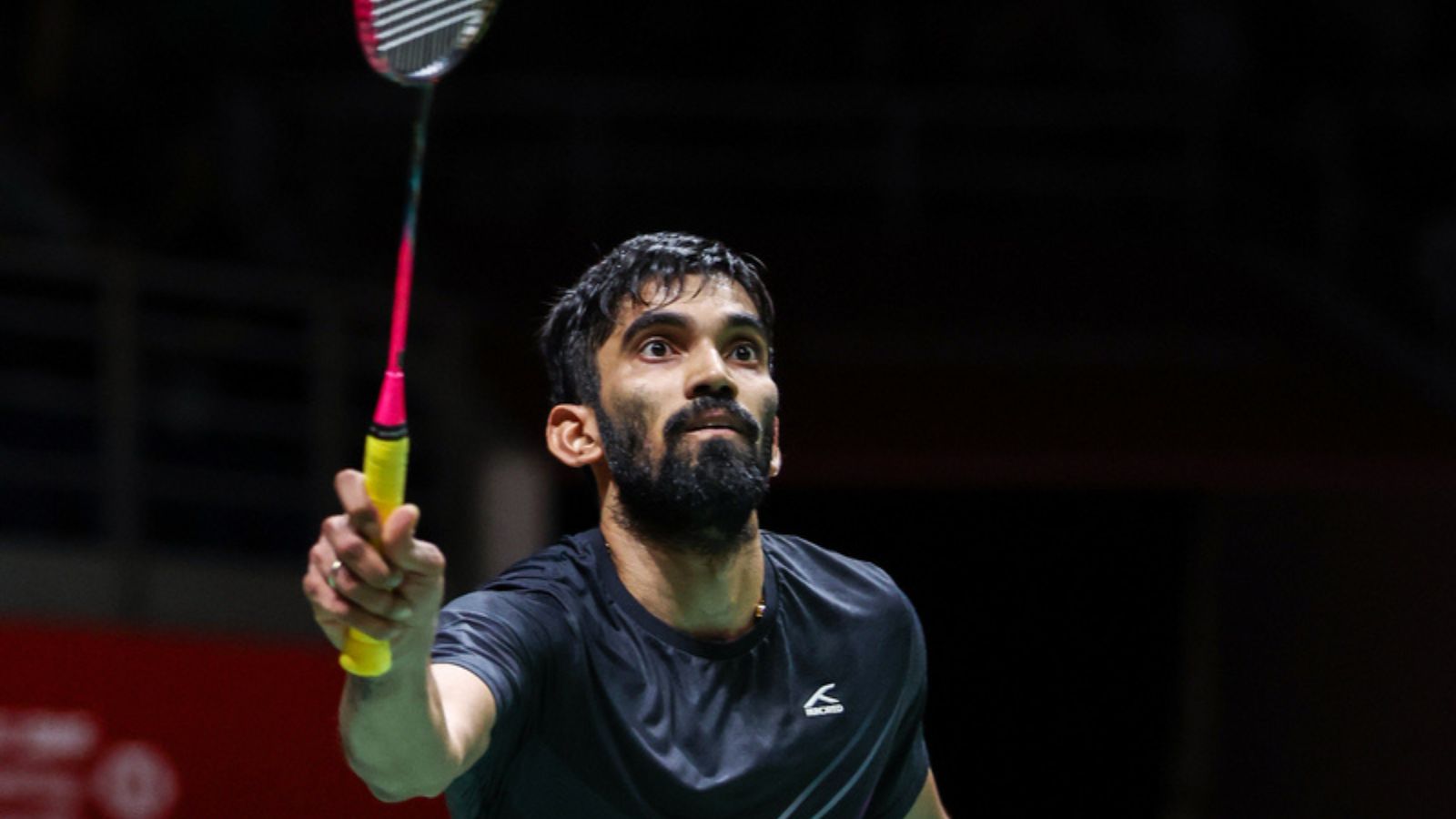
A familiar story of near-misses unfolds in the US as India’s veteran campaigner struggles to cross the finishing line in a transforming sport.
The tension at the US Open badminton tournament this week culminated in a familiar, if frustrating, sight for Indian fans. Kidambi Srikanth, a name synonymous with the peak of Indian men’s singles success over the last decade, found himself faltering at the final step. Despite his vast experience and technical pedigree, the former world number one couldn’t seal the deal, leaving the Indian contingent to reflect on a campaign that promised more than it ultimately delivered.
The Changing Guard
This exit comes at a time when the sport is undergoing a visceral change. As noted in recent analysis from the sports desk at The Indian Express, the game is moving away from the finesse-heavy, wrist-flicking style that defined the golden era of Indian badminton. We are seeing the rise of the "Hulks"—younger athletes like Ayush Shetty and Sathish Karunakaran, who prioritize raw power, aggressive physicality, and explosive movement.
While Srikanth remains a master of the court, the tactical demands of international tournaments like the US Open are shifting. The modern game is increasingly unforgiving to those who cannot sustain high-intensity rallies for the full duration of a match. The struggle for veterans today isn't just about skill; it’s about adapting to a circuit that has become significantly more punishing.
A Wider Pattern
The broader performance of the Indian squad at the US Open underscores this transition. While Lakshya Sen’s progress to the quarter-finals offers a glimmer of consistency, the overall results remain uneven. For a nation that has spent the last few years obsessing over podium finishes, the current cycle is revealing the gaps between our established stars and the next generation waiting in the wings.
The tactical deep dives often conducted by experts highlight that match management—specifically controlling the drift and maintaining mental endurance—is where tournaments are won or lost. When the pressure mounts in the late stages of a match, the difference between a podium finish and a premature exit often comes down to these marginal gains.
The Bigger Picture
Why does this matter? For Indian sports policy and fans alike, the 2026 Asian Games loom large. The current fluctuations in form suggest that relying on the old guard to carry the weight of expectations is no longer a viable long-term strategy. We are witnessing a natural, if difficult, passing of the torch.
The challenge for the coaching staff is clear: they must blend the technical brilliance of players like Srikanth with the endurance and power-based training that defines the new generation. If India is to maintain its standing in the global badminton hierarchy, the focus must shift from merely participating in these high-stakes events to mastering the tactical evolution that is currently reshaping the sport. The US Open, in this sense, serves as a harsh but necessary reality check.
Arjun Mehta reports on government, policy and Parliament for PoliticalPedia, in English and Hindi.