The Final Dance: Messi, Ronaldo, and the 2026 FIFA World Cup Legacy
FIFA World Cup: रोनाल्डो और मेसी के बच्चे कौन से स्कूल में पढ़ते हैं?
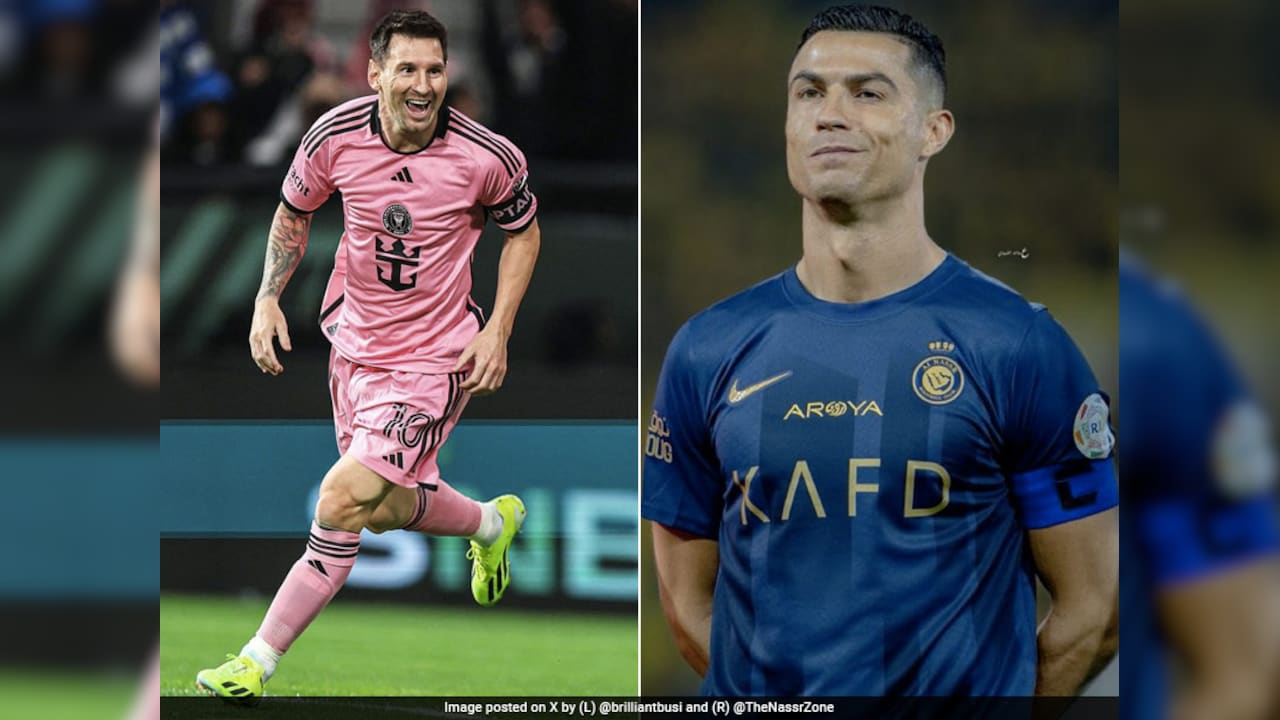
As the 2026 FIFA World Cup approaches, the world prepares to witness the potential final act of two icons who redefined the sport, even as they reflect on an unconventional path to greatness.
The air in North America is shifting. From the stadiums in Mexico City to the arenas in New York and Dallas, the FIFA World Cup is set to arrive on June 11, 2026, bringing with it a spectacle of 48 teams and 104 matches. But for the millions watching across the globe—often catching the action via live digital updates on platforms like NDTV—this tournament represents something deeper than just a trophy. It is a farewell tour for a generation. Lionel Messi, at 39, and Cristiano Ronaldo, at 41, are staring down what is widely expected to be their final football dance on the grandest stage of all.
The Academic Myth vs. The Pitch Reality
While fans often debate their tactical brilliance, a different curiosity persists: what of their formal education? The reality is far from the halls of elite universities. Both legends emerged from humble beginnings—Messi in Rosario and Ronaldo on the island of Madeira—where the pitch became their primary classroom. Messi’s journey took him to the famed La Masia academy in Spain, while a teenage Ronaldo chose to leave school early to pursue a professional career with Sporting Lisbon. Their stories serve as a stark reminder that while formal schooling has its place, their masterclass in discipline and talent was written entirely in the sweat of the training ground.
Why It Matters: The End of an Era
The obsession with these two icons—and even questions regarding their personal lives, such as their children's schooling—highlights how the public views them as more than just athletes. They are global cultural touchstones. As we transition into the 2026 World Cup, the narrative is no longer just about who wins; it is about the transition of power. Young stars like Lamine Yamal and Erling Haaland are ready to step into the vacuum, but the "Messi vs. Ronaldo" rivalry has provided the heartbeat of the sport for two decades. Their presence in the upcoming tournament adds a layer of emotional stakes that statistics simply cannot capture.
Looking Beyond the Icons
The upcoming tournament, hosted across the US, Canada, and Mexico, is more than a football festival; it is a test for a continent that has historically favored sports like the Super Bowl or the NBA over the beautiful game. With the Mshale reporting on global watchalongs and digital reactions, the scale of this event is unprecedented. Whether it is the tactical shifts in Group K or the rise of new nations, the tournament serves as a reminder that football remains the ultimate equalizer. As the clock ticks toward the opening whistle, the focus remains on whether these two titans can conjure one last miracle before the curtain closes on their storied careers.
Priya Nair covers parties, elections and the business of power for PoliticalPedia.