The Evolution of Lionel Messi: Why a ‘Xavi-esque’ Role is the Future of Argentina
Why Messi playing like Xavi works for Argentina
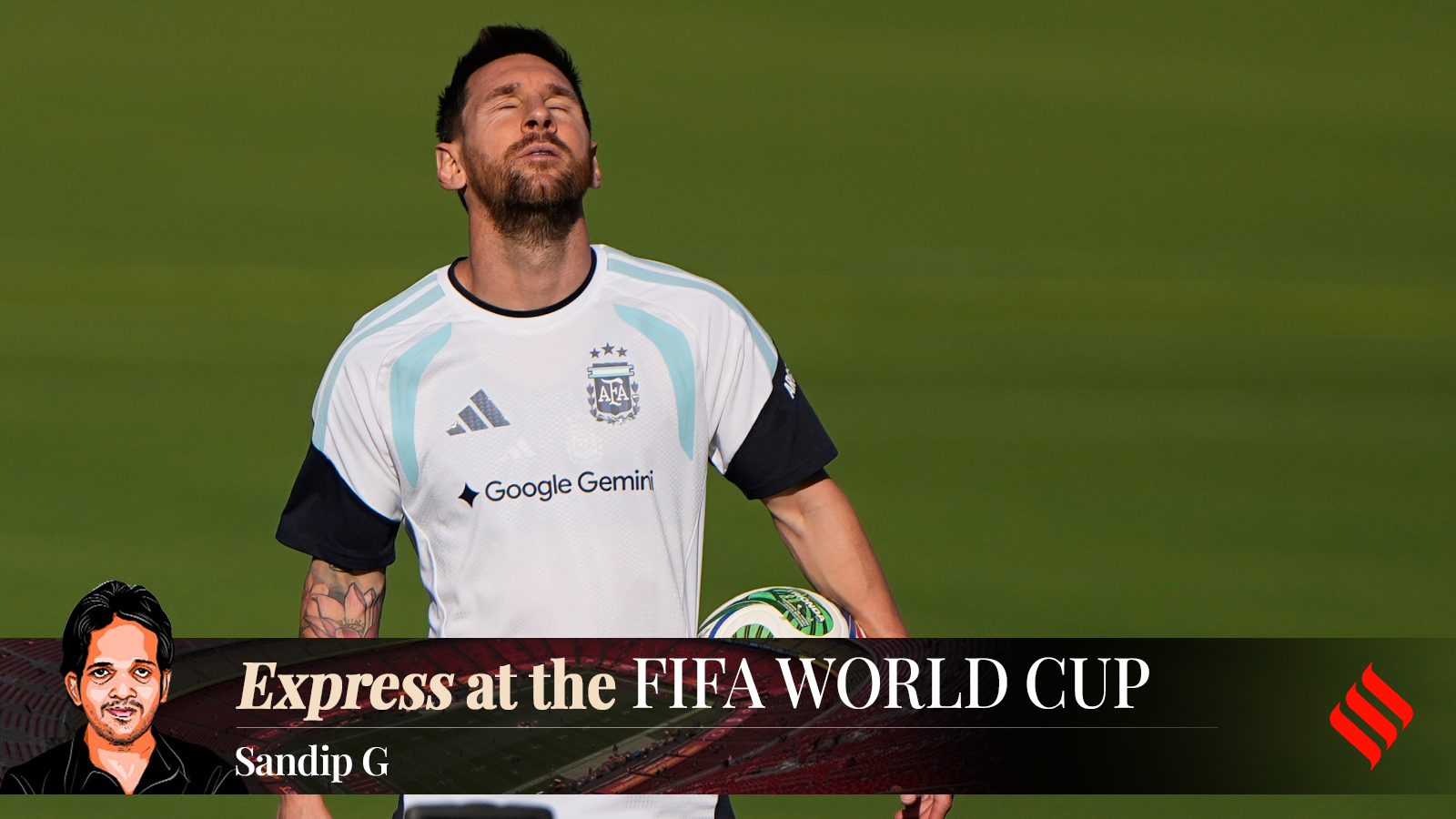
As the world watches the veteran captain prepare for his sixth World Cup, his shifting presence on the pitch reveals a masterclass in tactical adaptation.
The image is etched in our collective memory: Lionel Messi, shoulders slumped, arms wide, waiting for the ball to find him in the pockets of space he has carved out for himself. At 38, the man who once sprinted past entire defensive lines has undergone a metamorphosis. He is no longer the explosive winger of his youth or the false nine who terrorized Europe. Instead, he has evolved into a playmaker whose vision mirrors that of his long-time partner, Xavi Hernandez.
The Maestro’s New Rhythm
The logic is simple: when the muscle prowess fades, the mind must take over. Much like Xavi, who famously controlled the tempo of the game with surgical passing, Messi now dictates the flow for Argentina. Managers like Xabi Alonso have long noted that the true genius of the Argentine lies in his ability to make the "smartest" decision rather than the most brilliant one. Whether he is in the MLS or the international arena, he has mastered the art of the simple, efficient pass—the one that puts his teammates in a superior position rather than chasing glory for himself.
This transition isn't a sign of decline; it is a calculated survival strategy. Lionel Scaloni’s side has built a system that masks his lack of defensive tracking by placing high-energy runners around him, allowing the captain to preserve his legs for those sporadic, match-defining bursts of inventiveness. Despite the questions surrounding his physical rigour, his statistics—eight goals in the qualifying campaign and a dominant showing at the 2024 Copa—suggest that his impact remains as lethal as ever.
Why it matters
The bigger picture here is the rare longevity of a player who refuses to be a parody of his past self. Most legends try to force their bodies to match their younger, more agile identities; Messi has done the opposite. By adopting a role that prioritizes intuition and spatial awareness, he has ensured he remains the central pivot of the Albiceleste. His presence is not just about nostalgia or the desperate pursuit of another trophy; it is a tactical choice. If Argentina is to make history in 2026, it will be because they have successfully shifted from a team built for Messi to a team that operates through his Xavi-like command of the game.
The Road Ahead
As the squad gathers for the upcoming international fixtures—including the much-anticipated clash against Algeria—the focus remains on his fitness. Having recovered from a hamstring knock, Messi is expected to start, proving that for a player of his calibre, the game is played more in the eyes than in the feet. He knows the fire is still there, and as long as he remains the smartest man on the pitch, he will continue to demand the ball, forcing his teammates to "come closer and play with me," just as he did for fifteen years in Barcelona.
Kabir Sharma writes on culture, technology and everyday life for PoliticalPedia.