The End of the Road for Petrol: Delhi’s Bold Pivot to an Electric Future
Delhi cabinet clears new EV policy: Only electric autos from 2027, e-two-wheelers from 2028
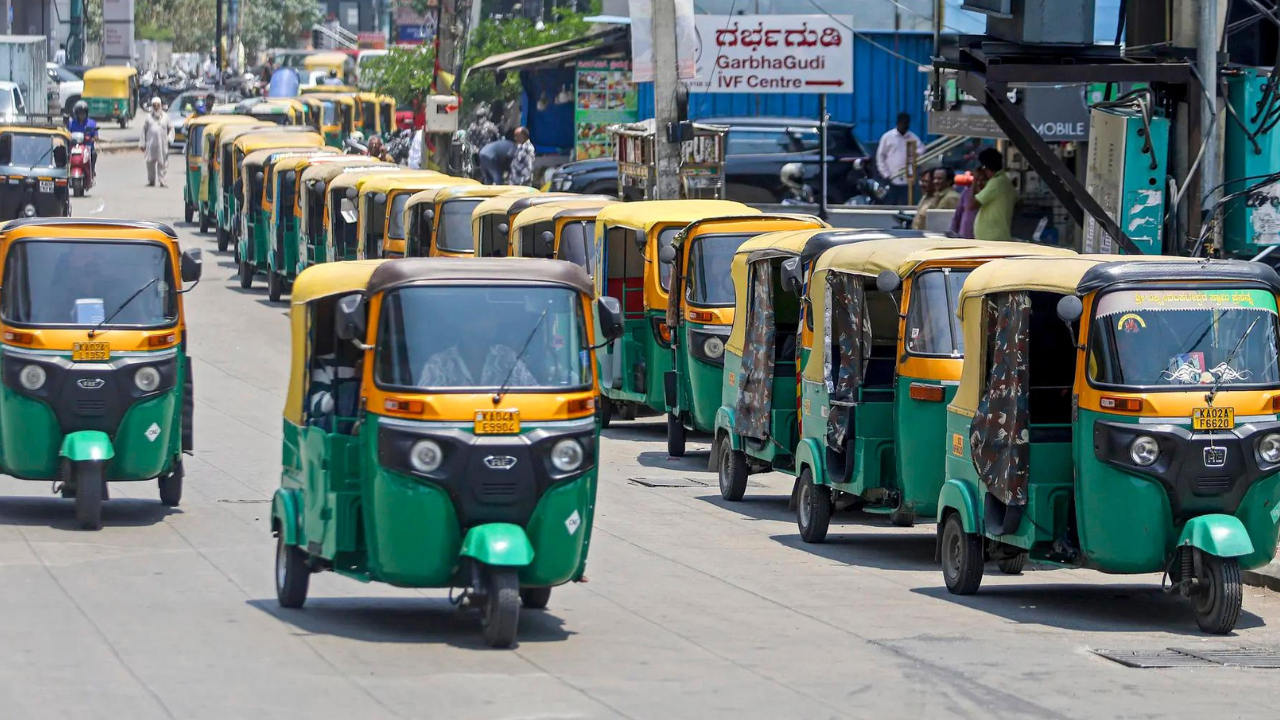
The capital is charting a definitive course away from fossil fuels, setting strict deadlines that will phase out new registrations for petrol-powered two-wheelers and auto-rickshaws.
The familiar, sputtering growl of a petrol-powered auto-rickshaw navigating Delhi’s congested arteries could soon become a relic of the past. Under a draft EV policy that has sent ripples through the automotive sector, the Delhi cabinet has laid out a clear roadmap: from January 2027, the city will only register electric auto-rickshaws. A year later, in 2028, the hammer falls on personal transport, with a proposed ban on the registration of any new petrol-fueled two-wheelers.
For the average commuter, this is the most significant shift in urban mobility since the introduction of CNG buses. The policy isn’t just about clean air; it is an aggressive, time-bound mandate designed to force the hand of manufacturers and consumers alike. By prioritising electric mobility, the government is signalling that the transition—once viewed as a gradual, opt-in choice—is now a non-negotiable state directive.
The Hybrid Pivot
While the spotlight is firmly on full electrification, the draft policy carries a surprise for the auto industry: road tax concessions for strong hybrid vehicles. This inclusion has sparked debate among experts and market analysts. Some argue that hybrids serve as a necessary bridge technology, easing the transition for buyers wary of charging infrastructure gaps. Others, however, see it as a potential distraction from the pure electric goal. The Economic Times and other business outlets have highlighted this as a strategic attempt to balance environmental goals with the current realities of the Indian automotive market.
Why it matters
The broader implications here are massive. Delhi is not just setting a local trend; it is providing a blueprint for other Indian states to follow. When a market as large and politically sensitive as Delhi signals that petrol-based two-wheelers have a shelf life, the entire business ecosystem—from battery makers to component suppliers—must recalibrate.
This isn't happening in a vacuum. With global economic indicators like gold prices and interest rates keeping investors on edge, the economic push toward indigenised, sustainable energy is a hedge against global oil volatility. By fostering a domestic EV hub, the policy aims to decouple the city’s transport future from the whims of international crude markets. However, the success of this shift hinges on whether the grid can keep pace and if the cost of ownership truly remains accessible to the common man, or if it risks alienating those who rely on affordable, second-hand petrol vehicles.
The road ahead
Critics have raised concerns about the practicalities of these deadlines, pointing to potential flaws in the current infrastructure draft. Legal and industry observers warn that without robust, accessible charging networks, the transition could hit a wall. As the city prepares for this overhaul, the focus will likely shift to how the government intends to support the thousands of delivery partners, auto drivers, and daily wage earners who rely on traditional fuel-run vehicles for their livelihoods.
Kabir Sharma writes on culture, technology and everyday life for PoliticalPedia.