The Doctor in the Eye of the Storm: How Kakoli Ghosh Dastidar Became the Face of the TMC Revolt
Who Is Kakoli Ghosh Dastidar? Mamata Loyalist Now Leading TMC Revolt In Bengal
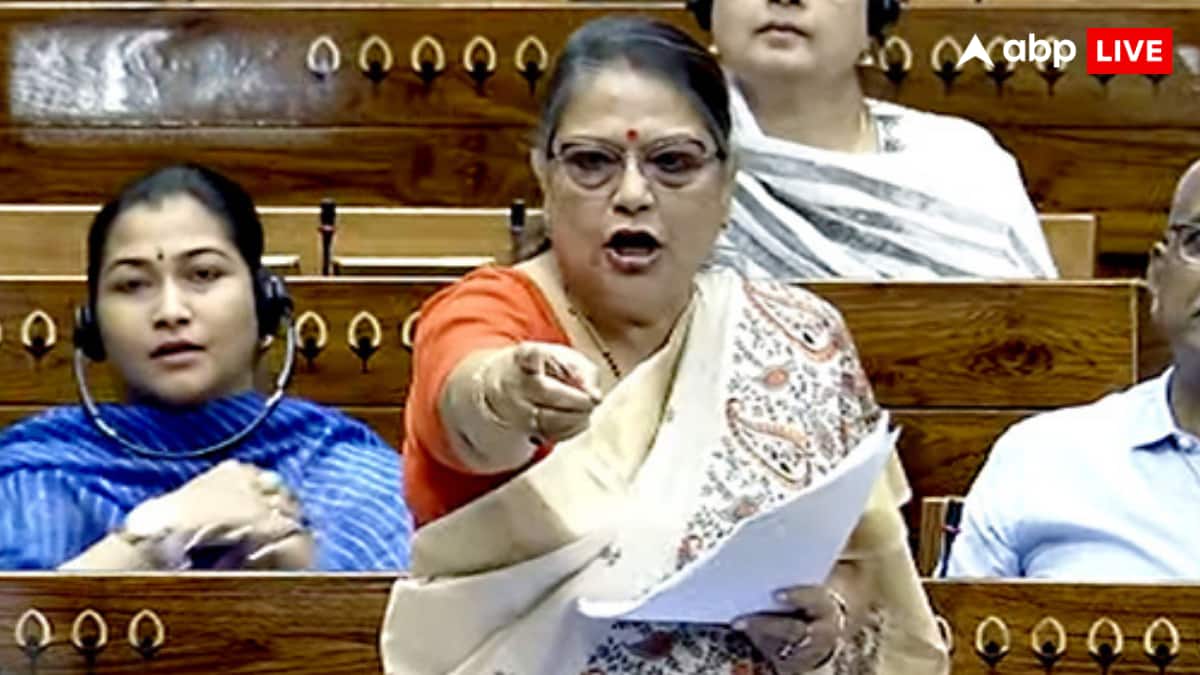
A veteran loyalist and medical professional, Kakoli Ghosh Dastidar is now spearheading a significant parliamentary rebellion that threatens to fracture Mamata Banerjee’s Trinamool Congress.
For nearly five decades, the political career of Kakoli Ghosh Dastidar was synonymous with the rise of Mamata Banerjee. From their days in the trenches of student activism at Kolkata Medical College to the consolidation of the Trinamool Congress (TMC) as a regional powerhouse, Dastidar was a fixture in the inner circle. Today, however, the script has flipped. As a senior leader and the national president of the All India Trinamool Mahila Congress, Dastidar has emerged as the unlikely architect of a deep-seated TMC revolt in Bengal, challenging the very leadership she helped build.
The crisis reached a boiling point on June 8, when Dastidar dropped a political bombshell: she claimed that approximately 20 TMC Members of Parliament have sought to align themselves with the National Democratic Alliance (NDA). This group has reportedly formalised their intent by submitting a letter to Lok Sabha Speaker Om Birla, signaling a potential breakaway faction that could fundamentally alter the power arithmetic in Delhi and Kolkata.
A Legacy of Loyalty Turned Sour
The transition from Mamata loyalist now leading the charge to a potential party split is not an overnight development. The TMC is reeling from the aftershocks of a disappointing performance in the recent West Bengal Assembly elections, an outcome that has triggered widespread murmurings of discontent. Insiders suggest that for Kakoli Ghosh Dastidar, the disillusionment is not merely about electoral arithmetic but a growing rift over the party's strategic direction and internal hierarchy.
By positioning herself at the forefront of this insurrection, the doctor-turned-politician has effectively tapped into the simmering frustration within the party’s parliamentary ranks. Her profile as an experienced, long-term associate makes her challenge particularly potent; she is not a newcomer, but a foundational member who knows exactly where the party’s vulnerabilities lie.
Why It Matters
This is not just another round of internal squabbling; it is a structural threat to the TMC's existence as a unified force. When a stalwart like Dastidar leads a rebellion, it grants legitimacy to other disgruntled voices—including reports of leaders like Firhad Hakim seeking to step down from mayoral duties. The broader implication is a potential "two-thirds split" scenario, which would allow these defectors to bypass anti-defection laws and redraw the political map. If the numbers hold, Mamata Banerjee faces the Herculean task of preventing a mass exodus that could see her party lose its status as a cohesive national opposition bloc.
The Road Ahead
As the party attempts a hasty reshuffle of its leadership structure, the pressure on Mamata is immense. While the TMC supremo is currently engaged in high-stakes optics—meeting with leaders like Arvind Kejriwal to maintain the relevance of the INDIA bloc—the ground beneath her feet in West Bengal is shifting. Whether this rebellion remains a pressure tactic to force a change in leadership style or culminates in a formal split into an NDA-aligned faction remains the most critical question in Indian politics today. For now, the focus remains on the halls of Parliament, where the actions of these 20 MPs will dictate the next chapter of the Trinamool Congress.
Rohan Gupta covers the economy, markets and companies for PoliticalPedia.