The Digital Prison: How a Mock Supreme Court Website Fueled a Pan-India Extortion Racket
CBI cracks down on pan-India 'digital arrest' racket, raids 80 locations
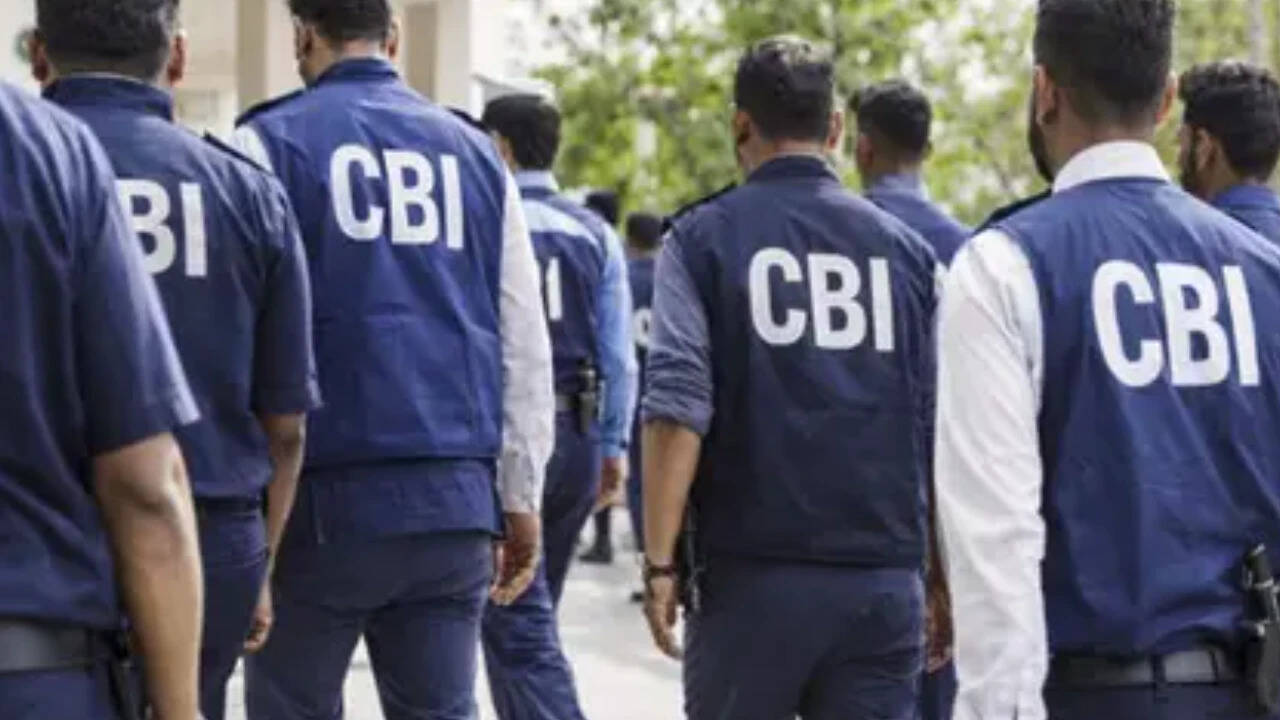
A sweeping CBI operation across 16 states has exposed a sophisticated network using fake judicial portals to trap victims in 'digital arrest' scams.
The fear is visceral: a video call, a stern voice claiming to be a law enforcement officer, and a high-stakes threat of immediate incarceration. For hundreds of Indians, this nightmare became a reality as they were placed under "digital arrest"—a modern, virtual hostage situation. On Thursday, the CBI launched 'Operation Chakra-VI', a massive investigation involving synchronized searches at 80 locations, stretching from the bustling hubs of Gujarat and Punjab to the remote corners of Assam and Manipur.
The scale of the network is staggering. Investigators found that the perpetrators had built a digital facade so convincing it fooled even the most cautious citizens. By creating a website with a URL nearly identical to the official portal of the Supreme Court of India, the scammers issued forged arrest warrants and fabricated legal notices. When victims clicked on these links, they were confronted with what appeared to be legitimate judicial documents, coercing them into transferring large sums of money to "avoid" prosecution.
The CBI said the operation led to the arrest of two key suspects, B Naresh in Chennai and Sanjib Saha in Kolkata. According to officials, these individuals were not just foot soldiers but architects of a complex financial framework designed to launder the proceeds of their crimes. By operating a web of shell companies and mule bank accounts, the group successfully laundered approximately Rs 2 crore in illicit funds.
The Bigger Picture: Why It Matters
This racket marks a dangerous evolution in cybercrime. It is no longer just about phishing emails or lottery scams; it is about weaponizing the authority of the state against its own citizens. By impersonating judicial and police officials, these fraudsters exploit the deep-seated respect and fear that the average Indian holds for the legal system. When a victim sees a document that looks like an official court order, the psychological pressure to comply becomes overwhelming. This trend highlights a widening gap in digital literacy: as our lives move online, so too must our skepticism. If a website looks too official to be true, it likely is.
The crackdown, which followed a direct complaint from the Supreme Court’s own registry, signals that agencies are finally catching up to the technological deception used by these syndicates. However, the sheer geographic spread of the raids—covering 16 states—suggests that this is far from a localized issue. It is a pan-India operation that thrives on the anonymity of the internet.
As the authorities continue their crackdown, the primary challenge remains the recovery of funds and the protection of vulnerable individuals. The digital arrest phenomenon relies entirely on the victim’s silence out of shame or fear. With the allegedly illicit funds being moved through complex layers of accounts, the task for investigators will be to dismantle the financial infrastructure that makes these scams so lucrative. For now, the message from the agency is clear: no one has the legal authority to conduct an "arrest" over a video call.
Kabir Sharma writes on culture, technology and everyday life for PoliticalPedia.