The Cost of Fandom: Why the Madras High Court Quashed a 'Black-Marketing' Case Against a Student
‘Watching IPL with friends common’: Court relief for student caught for ‘black’ ticket sale in CSK, MI match
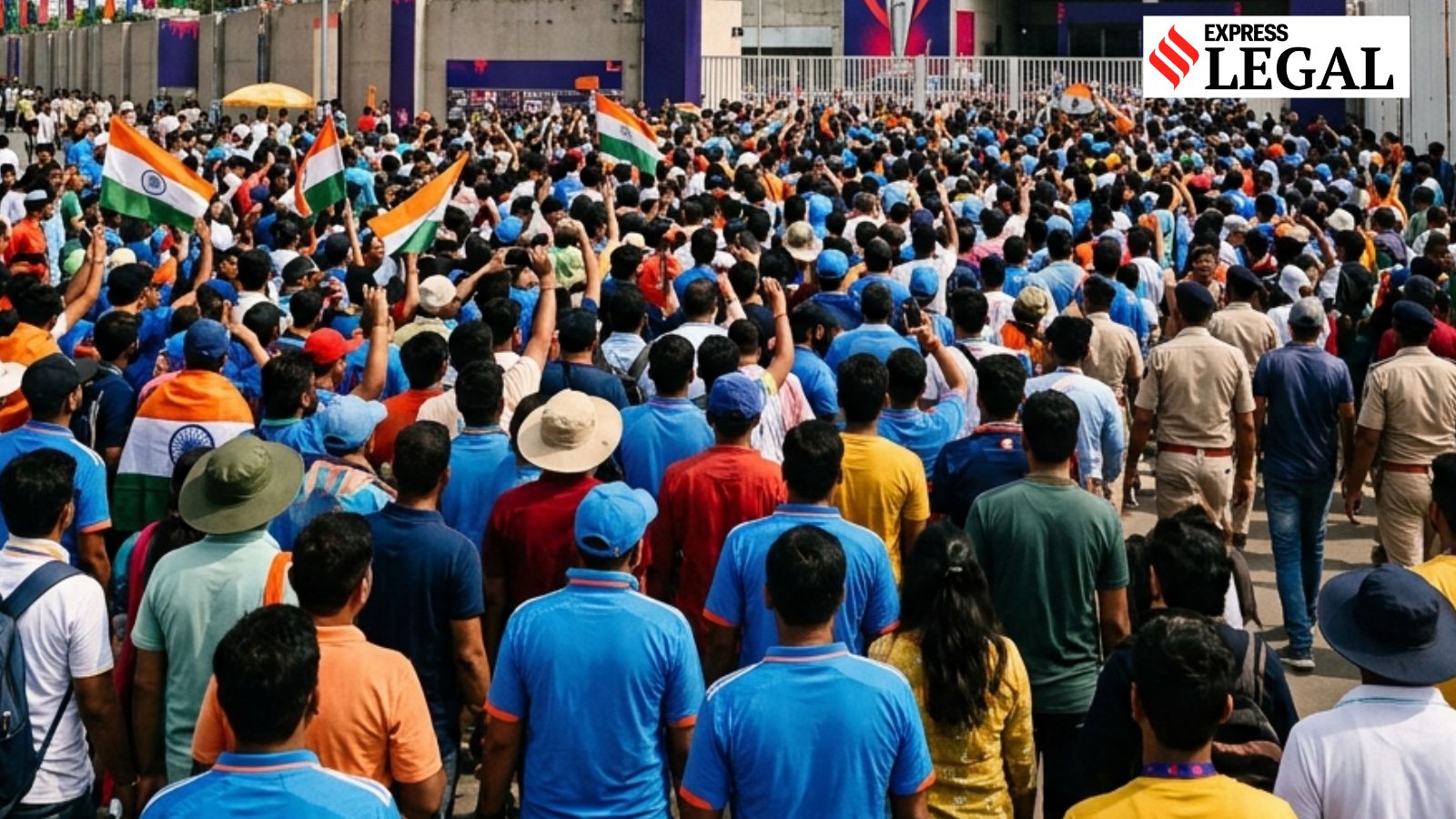
A final-year data science student was spared a criminal record after being detained for holding multiple IPL tickets, with the court ruling that group outings are a normal part of cricket culture.
For many, the anticipation of a Chennai Super Kings versus Mumbai Indians clash isn’t just about the game; it’s about the logistics of getting a group of friends into the stadium. For one final-year BSc Data Science student in Chennai, that standard ritual of organizing tickets for a squad turned into a brush with the law. While the police alleged he was involved in the illegal sale of tickets, the Madras High Court has now intervened, quashing the FIR and highlighting that the simple act of watching IPL matches with friends should not be criminalized.
The incident dates back to March 21, 2025, near the MA Chidambaram Stadium. According to police records, authorities acted on "secret information" that tickets were being sold at inflated prices—ranging from Rs 7,000 to Rs 12,000 against a face value of Rs 4,000. When they stopped the petitioner, they claimed he not only possessed the tickets but also used abusive language toward officers. The student, however, maintained a different narrative: he had legally purchased 10 tickets from the open market, intending them solely for his friends and family.
Justice M. Nirmal Kumar, presiding over the case, took a pragmatic view of the situation. In his order dated June 2, he noted that the petitioner is a young cricket enthusiast with no prior criminal record. The court reasoned that in the frenzy of an annual sporting event like the IPL, the practice of one person procuring passes for a group is common. By clearing the charges, the court recognized that continuing the case would have unfairly jeopardized the student’s academic future and career prospects.
The Bigger Picture: Why It Matters
This ruling serves as a vital reality check on how authorities handle minor scuffles involving cricket fans. The excitement surrounding a major match often leads to intense scrutiny by police near stadium gates, where thin lines are drawn between genuine fans and scalpers. By acknowledging that watching IPL in a group is a normative behavior, the judiciary has signaled that the law should distinguish between genuine, collective fandom and actual black-marketing syndicates.
For students and young professionals, the stakes of such police encounters are immense. A criminal charge, even if eventually cleared, can create long-term hurdles for background checks and employment. The court’s decision to quash the FIR underscores a judicial preference for protecting the future of young citizens over penalizing activities that, while perhaps appearing suspicious to officers on the ground, do not constitute a criminal intent to profit from illicit sales.
The case also reflects the broader chaos of cricket ticketing in India, where demand consistently outstrips supply, driving fans toward the open market. While the state remains vigilant against illegal profiteering, this judgment ensures that the common fan—simply trying to coordinate a day out at the Chennai stadium—is not caught in the crosshairs of aggressive policing.
Kabir Sharma writes on culture, technology and everyday life for PoliticalPedia.