The Cost of Conflict: Why Trump’s Approval Rating Is Now At Record Low
Trump’s Approval Rating Is Now At Record Low. This Is The Reason Americans Don’t Like Him Anymore
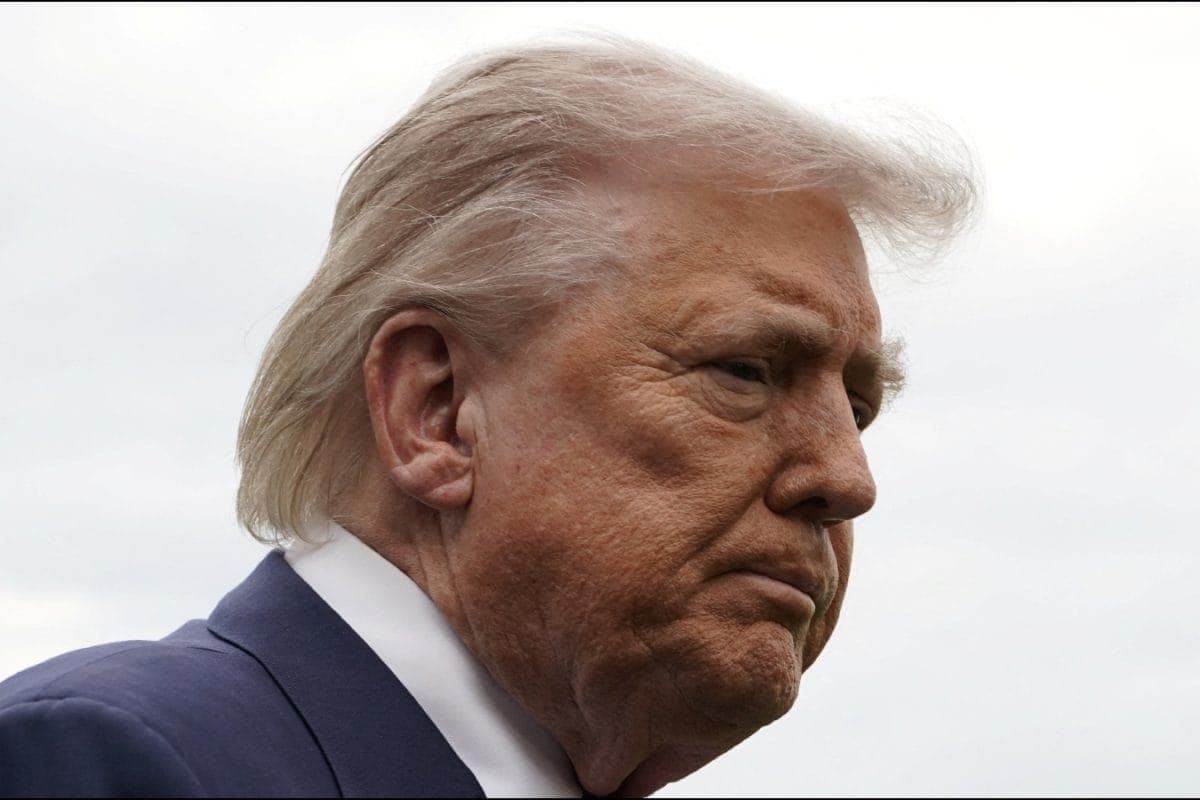
As the Iran war enters its 100th day, a deepening economic squeeze and voter pessimism have pushed the US President’s popularity to the brink of his all-time career lows.
The view from the Oval Office has rarely been this grim. For Donald Trump, the political honeymoon has evaporated, replaced by a harsh reality check from the American electorate. A Reuters/Ipsos survey reveals that the President’s approval rating has plummeted to 35%, hovering perilously close to the 33% nadir he hit during his first term. Across the United States, there is a mounting sense of fatigue; the combination of a protracted conflict in West Asia and a tightening household budget has left voters deeply disillusioned.
The Economic Squeeze
The primary driver of this dissatisfaction is domestic. When it comes to the cost of living, the numbers are dismal: only 22% of Americans approve of how the President is managing the economy. While the White House often points to macroeconomic growth, the average citizen is feeling the pinch of inflation and volatile energy markets. Gasoline prices, a perennial lightning rod for American voters, remain a source of anxiety. Nearly 60% of those polled expect fuel costs to climb further next year, despite recent attempts to suggest a cooling trend. For the average household, the disconnect between official rhetoric and the price at the pump is fueling the sentiment that "Americans don't like him anymore."
The Shadow of the Iran War
The geopolitical landscape is providing little relief. The military strikes against Iran, launched on February 28 in coordination with Israel, have not yielded the quick victory some might have hoped for. Now, on its 100th day, the conflict has bled into the global economy, directly impacting fuel prices and regional stability. Retaliatory attacks on US and Israeli-linked targets have created a persistent state of uncertainty. This "spillover effect" is exactly what voters feared, as the war turns from a tactical operation into an open-ended strategic burden.
Why it matters: The Bigger Picture
From our vantage point in New Delhi, the trajectory of this poll is a cautionary tale of how foreign policy entanglements can quickly cannibalize a domestic agenda. Historically, US presidents often see a 'rally-around-the-flag' effect during times of military engagement. That has not happened here. Instead, the persistent war is amplifying economic insecurities, creating a double-bind for the White House. With midterm rhetoric already heating up, the administration faces a difficult task: convince a skeptical public that their hardship is temporary, while the very conflict driving that hardship shows no signs of resolution. If the President cannot stabilize energy costs, his domestic approval—already at a record low—may have further to fall.
World Desk at PoliticalPedia covers global affairs for an Indian audience in English and Hindi.