The bulldozer’s shadow: Why Bengaluru’s housing crisis is a ticking time bomb
How slums are made and razed in Bengaluru
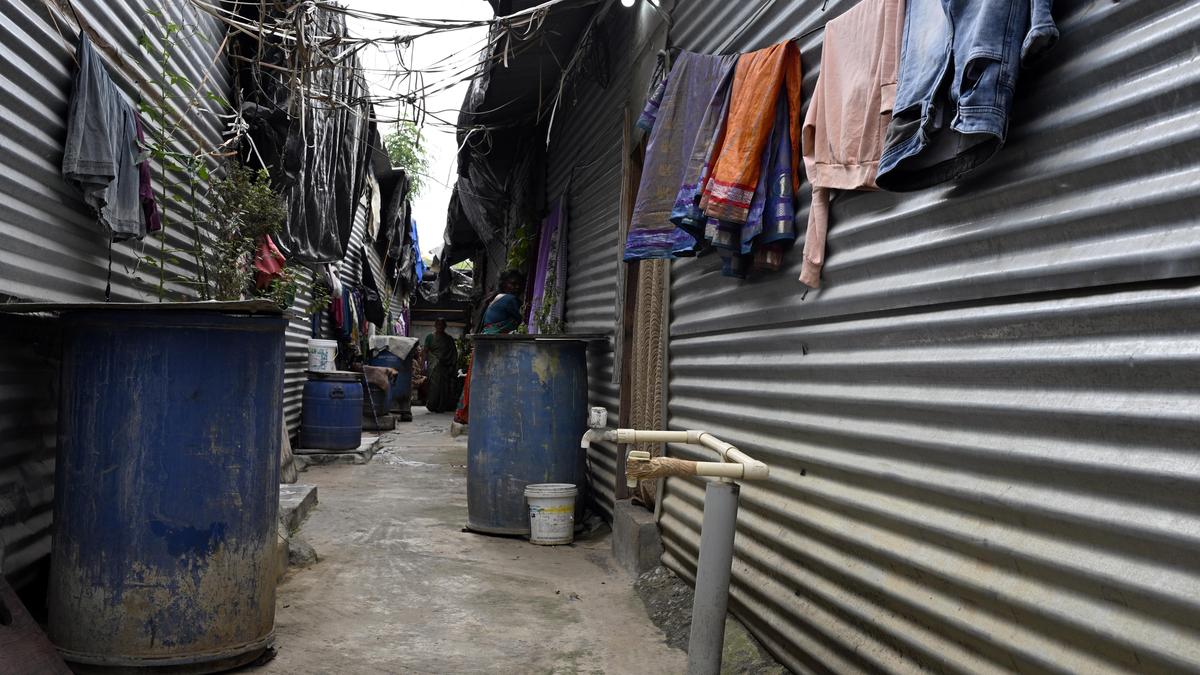
After the Kogilu demolition left 160 families homeless, the debate over urban planning in Bengaluru has shifted from systemic failure to political theatre.
The debris in Kogilu, North Bengaluru, is more than just broken bricks and twisted tin; it is a physical manifestation of a city that builds its infrastructure on the backs of people it refuses to house. On December 20, the Bangalore Solid Waste Management Limited (BSWML), working alongside the Greater Bengaluru Authority (GBA), moved in with bulldozers to reclaim five acres of land. Within hours, over 160 houses were razed. A month later, the families who once called this home are still scavenging for space, living with relatives or huddled on the margins of nearby neighbourhoods, with no sign of the state-promised rehabilitation.
This is not an isolated event. From Kacharakanahalli to the capital’s own landscape, the pattern remains chillingly familiar. Whether it is a demolition near the Prime Minister’s residence in Delhi or the clearing of land for a vehicular bridge in Mumbai, the script is identical: a court order is cited, the machinery arrives, and the invisible workforce that keeps these metropolises running is pushed further into the shadows.
The mechanics of displacement
How do these settlements, often labelled as ‘informal’, even emerge? Clifton D’Rozario, general secretary of the All India Lawyers’ Association for Justice, argues that the mushrooming of slums is the inevitable result of a massive policy void. Successive governments have dangled the promise of “housing for all,” yet failed to provide affordable options for the urban poor. When rural distress and the agrarian crisis drive families toward the city, they don’t arrive with blueprints for luxury apartments. They arrive to provide the labour that fuels Bengaluru’s long-running, often delayed infrastructure projects.
When work stays for years, the labour stays. What begins as a temporary shelter near a construction site slowly evolves into a community. It is a cycle of necessity, not choice. Nobody opts to live next to a drain or under a tarpaulin sheet; they do so because, in the current market, every other door is locked.
The Bigger Picture: A political shell game
The political fallout of the Kogilu demolition has been as swift as the destruction itself. The incident has spiralled into a flashpoint between the Karnataka Congress and critics like the Kerala CPI(M), with accusations of "bulldozer justice" and communal profiling. While the Deputy Chief Minister has dismissed these criticisms as "election gimmicks," the real casualty is the lack of a coherent housing policy.
By framing these evictions through the narrow lens of political point-scoring or communal lines, the state successfully deflects from the core issue: the absence of a dignified urban roadmap. When the focus shifts to political sparring, the conversation about why our cities lack social housing, why rehabilitation is non-existent, and why public land is managed through the lens of eviction rather than welfare, dies a quiet death.
Ultimately, these demolitions are a symptom of a governance model that treats the poor as a temporary inconvenience rather than a permanent component of the urban economy. Until the state addresses the systemic failure to provide for those who build our cities, the bulldozer will remain the only tool in the administrative toolkit—a blunt instrument for a crisis that requires a far more human solution.
Priya Nair covers parties, elections and the business of power for PoliticalPedia.