The Blue Bus Dream: Curacao’s Fleeting Moment of Magic in the FIFA World Cup
FIFA World Cup: Curacao’s moment in global spotlight spoiled by German ruthlessness
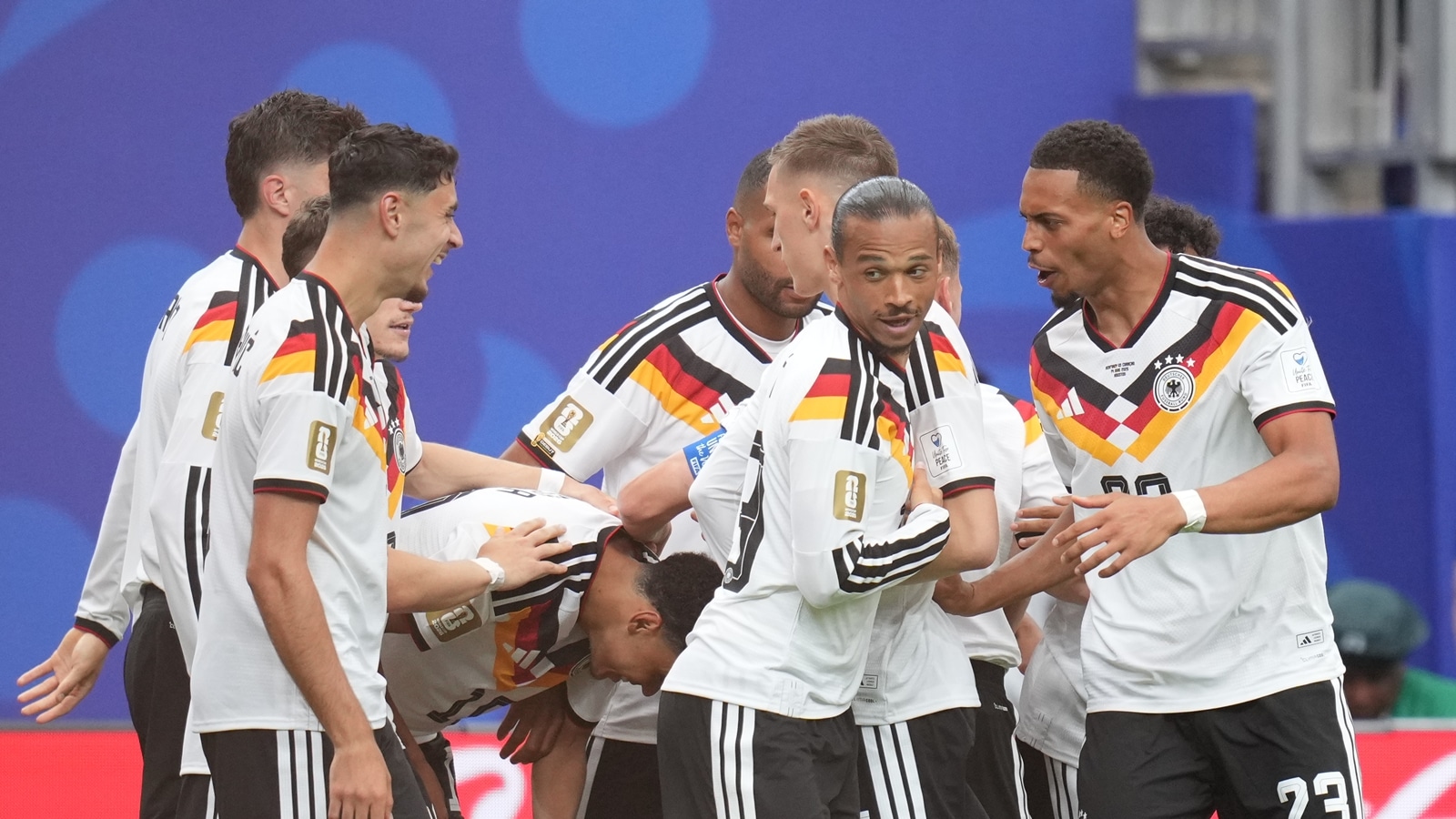
A Caribbean island with a population smaller than a typical Delhi suburb dared to challenge German titans, proving that heart sometimes outpaces history.
Long before the stadium lights flickered to life in Houston, a viral video captured the essence of the Curacao national team: a beat-up blue school bus, missing windows, with players hanging off the sides, banging on the metal exterior. It was a chaotic, jubilant image that felt entirely out of place among the polished, corporate sheen of the modern FIFA world cup. Yet, this "small town" outfit—representing a nation of just 158,000 people—wasn't just in the USA to make up the numbers. They were there to play, and for 21 glorious minutes on Sunday, they made a four-time world champion look distinctly uncomfortable.
A Cinderella Tale on the Pitch
The journey to this stage has been anything but professional. For the players, the road to the tournament was paved with administrative nightmares. There were days when the squad had to reach into their own pockets to pay for flights and hotels, training on pitches that were far from world-class. It was a gritty, grassroots struggle that culminated in the hiring of 78-year-old veteran manager Dick Advocaat. The sight of the elderly coach wiping tears from his eyes before kickoff betrayed the weight of this historic debut for a nation that only came into being in 2011.
Daring to Dream
When Livano Comenencia curled the ball past the legendary Manuel Neuer to equalise at 1-1, the impossible briefly felt tangible. Germany may be the heavyweight, but Curacao played with a carefree spirit that refused to bow to the FIFA rankings or the massive disparity in population and resources. Advocaat had set his side up with an aggressive, offensive intent, refusing to park the bus—despite the team's literal association with one. He knew that playing for a defensive draw was a slow death sentence against a clinical side like the Germans.
Why it matters
This match serves as a necessary reality check for the global game. While the elite clubs and national teams command billions in revenue and scouting, the presence of a nation like Curacao reminds us that the world of football is still fueled by romance. Their loss to German ruthlessness was perhaps inevitable, but the narrative is shifting. It is no longer just about the result; it is about the structural inequalities that small nations face just to stand on the same grass as the titans. If football is to remain truly global, the governance of these smaller federations must catch up to the passion of their players.
The Bigger Picture
Looking ahead, the tournament continues to throw up surprises that defy simple statistics. While the spotlight inevitably drifts toward high-profile stars or trending names, the story of this World Cup remains the tension between historical dominance and the persistent, infectious hunger of the underdog. For Curacao, the dream has been tempered by the harsh reality of top-tier competition, but they leave Houston having forced the world to learn the name of a tiny Caribbean island that refuses to play it safe.
Kabir Sharma writes on culture, technology and everyday life for PoliticalPedia.