The Billionaire Goal: How Cristiano Ronaldo is set to hit the $2 billion mark by 2030
Ronaldo net worth prediction 2030: How high can Portugal billionaire go by end of the decade?
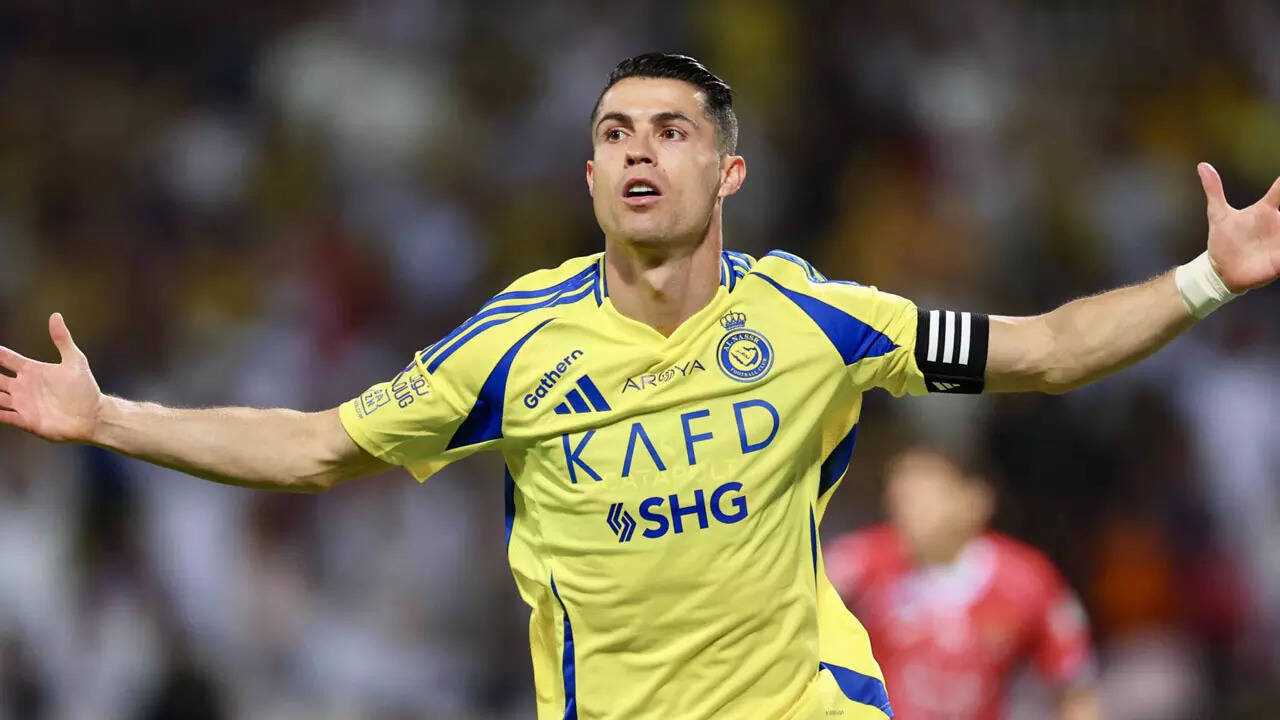
As the Portugal icon pivots from pitch dominance to global brand empire, his financial trajectory suggests he is on track to become one of the wealthiest athletes in history.
The image of Cristiano Ronaldo sprinting down the wing is fading, but the machinery behind the man is only accelerating. Long gone are the days when a footballer’s earnings were tied strictly to his match-day performance. Today, the Portugal superstar operates more like a multinational corporation. With a net worth already hovering at $1.2 billion in 2026, the question is no longer whether Ronaldo can sustain his wealth, but rather how high that figure can climb by the end of the decade.
From pitch to portfolio
The shift to Saudi Arabia’s Al Nassr was more than a tactical career move; it was a financial masterstroke. By securing a contract worth hundreds of millions annually, Ronaldo solidified his status as the first active footballer to reach billionaire status. Yet, his portfolio is remarkably diversified. Between the CR7 brand, a string of luxury hotels, fitness centers, and lucrative endorsements with giants like Nike, Ronaldo has successfully decoupled his income from his physical longevity on the field.
Financial analysts are tracking a sharp upward curve. By 2027, projections suggest his wealth could touch $1.35 billion, even as his involvement in competitive football potentially winds down. The logic is simple: his brand power is self-sustaining. With over a billion followers across social platforms, his ability to command millions for a single promotional post ensures that his advertising revenue remains an aggressive force, regardless of his squad status.
The 2030 horizon
As we look toward 2030, the math becomes even more compelling. Experts estimate that his fortune could reach between $1.9 billion and $2.1 billion. A significant variable in this climb is the lead-up to the 2030 FIFA World Cup. If reports regarding his ownership stakes in various ventures and potential expansion in Saudi markets hold true, he is positioned to capitalize on the massive capital injection flowing into the region’s sports infrastructure.
The bigger picture
Why does this matter? Ronaldo’s financial trajectory signals a permanent shift in how elite athletes manage their careers. He is arguably the first to treat his personal brand as a legacy business that survives his athletic retirement. This isn't just about high-value contracts; it’s about the integration of real estate, smart investments, and digital dominance. For the next generation of sports icons, the "Ronaldo Model" is the new gold standard. He has proven that when an athlete reaches a certain level of global fame, they stop competing for wages and start competing for market share.
While headlines often fixate on court rulings or local civic issues—some reaching the corridors of the Bombay High Court or the latest political debates—the global business of sports continues to evolve quietly in the background. Ronaldo’s journey to the $2 billion mark is a case study in branding. He is moving from being a player who sells products to becoming the infrastructure itself.
Kabir Sharma writes on culture, technology and everyday life for PoliticalPedia.