The Billion-Dollar Pitch: How FIFA’s New Pricing Strategy is Locking Fans Out of the World Cup
How FIFA turned the World Cup into a rich man’s game
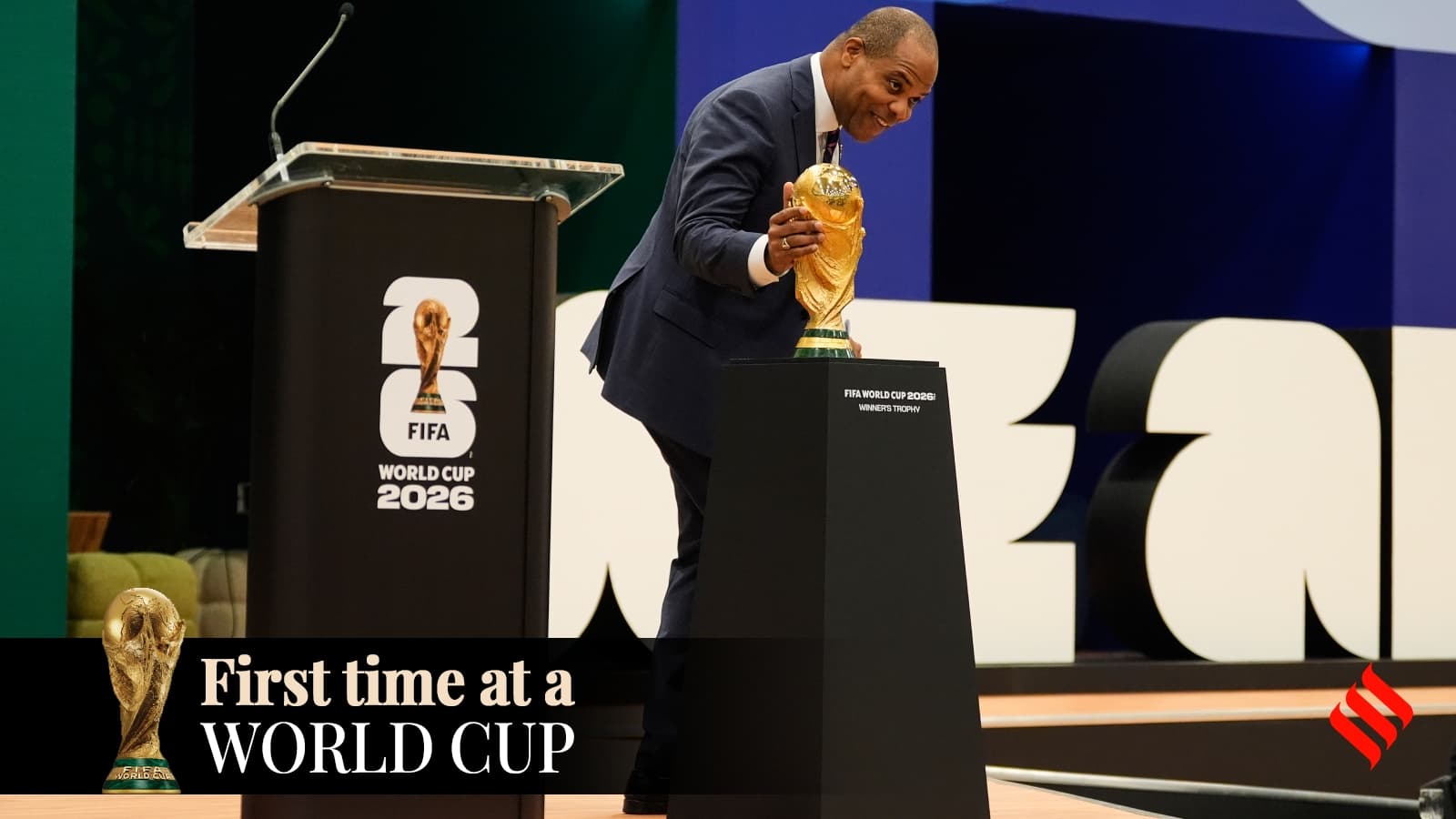
As the 2026 tournament approaches, the global football governing body faces mounting criticism for turning the "beautiful game" into an exclusive playground for the wealthy.
The promise of a World Cup held on North American soil was once seen as a boon for accessibility, but as the event nears, the reality is proving to be a jarring departure from the sport’s egalitarian roots. The world is witnessing a transformation in how FIFA handles its most prized asset. By embracing aggressive revenue-maximization strategies, the governing body has effectively turned the 2026 World Cup into a high-stakes financial arena where the price of entry is increasingly detached from the reach of the average supporter.
The Mechanics of Dynamic Pricing
At the heart of this shift is the implementation of dynamic pricing, a model more commonly associated with ride-sharing apps than international sporting spectacles. Much like booking a cab during peak traffic, ticket costs for the 2026 tournament now fluctuate based on supply and demand. While FIFA claims this mirrors established practices in the entertainment-heavy North American market, critics argue it serves a more calculated purpose: eliminating the secondary retail market by capturing the profit margins that previously went to third-party resellers.
By establishing its own official resale platform, FIFA has created a closed loop. The organization now secures a 15% commission from both the buyer and the seller on every transaction. As Pnina Feldman, an associate professor at the Darden School of Business, notes, this mechanism is essentially a revenue-maximizing engine that ensures the governing body benefits regardless of market volatility.
A Growing Divide for Global Fans
The financial barrier is already becoming evident. While lower-tier group stage matches are listed at entry points near $160, the escalation for high-profile fixtures is staggering. The price for a top-category ticket to the World Cup final has surged from an initial $6,730 to over $10,990 in recent sales windows. FIFA president Gianni Infantino has defended these figures, arguing that in a region where entertainment is highly commodified, the organization must apply market rates to remain competitive.
However, this justification rings hollow for many who view the World Cup as a global heritage rather than a localized luxury product. The shadow cast over this tournament—ranging from human rights concerns to the commercialization of the spectator experience—suggests that FIFA’s legacy under Infantino is increasingly viewed through the lens of a "ringleader" of corporate interests rather than a reformer of the sport.
The Broader Context
The shift towards premium pricing is just one facet of a broader trend of commercial "vileness" that has critics questioning the soul of the tournament. As the event approaches, the disparity between the corporate boardroom deals—some of which have handed media giants like Fox massive bargains—and the skyrocketing cost for the average fan creates a disconnect that threatens to strip the tournament of its traditional atmosphere. For millions of followers around the world, the 2026 World Cup is no longer just a competition; it is a case study in how a global institution can effectively price out the very community that built its popularity.
The PoliticalPedia Editorial Desk brings verified, sourced political news and analysis from across India.