The Anand Blueprint: Why Gukesh Must Look to Praggnanandhaa for a Career Resurgence
Gukesh can take inspiration from Praggnanandhaa’s perseverance and script turnaround: Anand
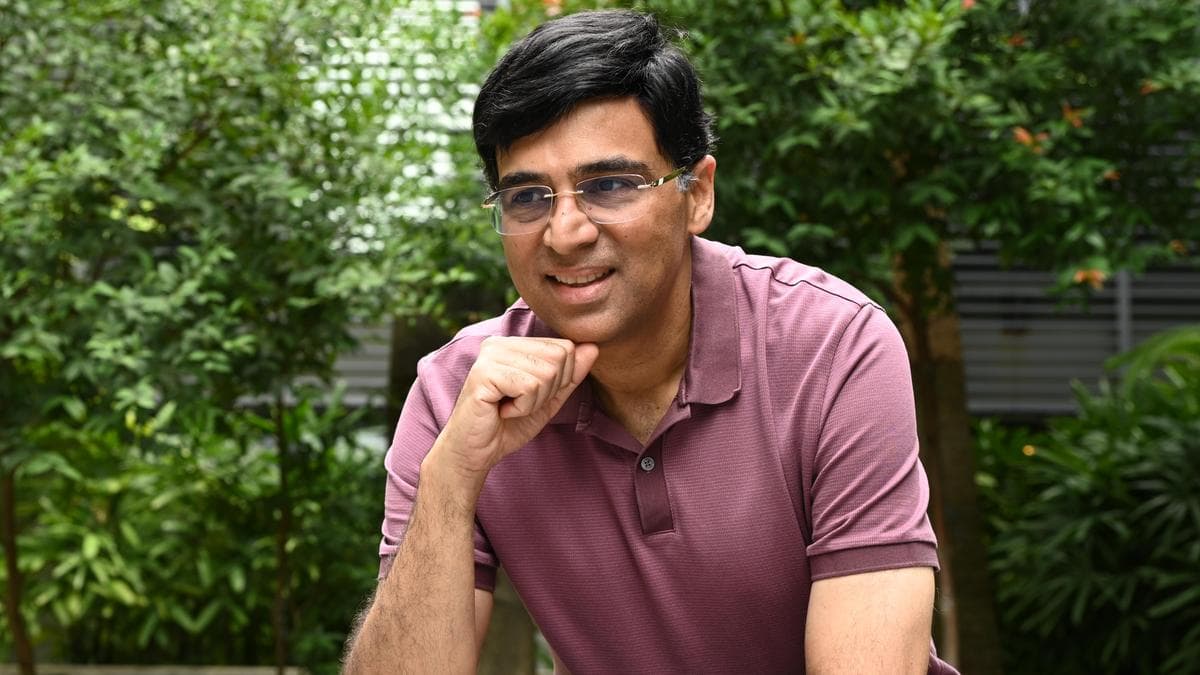
As India’s chess icons push the boundaries of the sport globally, Viswanathan Anand weighs in on the evolving rivalry and form-swings defining the next generation.
The chessboard, much like the broader national stage, is currently witnessing a churn where legacy meets aggressive new-age ambition. Viswanathan Anand, the man who put Indian chess on the global map, is watching this transition with keen interest. While Praggnanandhaa recently scripted a spectacular turnaround to clinch the Norway Chess title, his compatriot D. Gukesh found himself in a relative slump, finishing sixth in the same tournament. For Anand, this contrast is not a cause for alarm, but a classic lesson in the volatile nature of modern professional chess.
A Lesson in Perseverance
Anand’s assessment is rooted in the reality of the game’s current, rapid-fire evolution. Praggnanandhaa’s victory in Norway was not just a win; it was a testament to his "ready-to-fight" attitude, even when early rounds didn't mirror his ultimate success. Anand suggests that Gukesh, who is currently navigating a period where he seems a bit stuck, should look at this trajectory as a manual for resilience. The core message from the five-time world champion is simple: form is transient, but the willingness to persist with hard work is what separates the elite from the rest.
"Praggnanandhaa is playing better than Gukesh right now, but anything can change," Anand remarked, noting that the two—along with Arjun Erigaisi—are engaged in a healthy, high-stakes rivalry that is forcing all of them to elevate their game. For a world champion like Gukesh, who is preparing for his upcoming title defence against Javokhir Sindarov, the ability to find inspiration in a peer’s comeback is as crucial as his tactical preparation.
Why it matters
The larger narrative here is the unprecedented depth of talent emerging from India. For decades, the country looked toward a singular giant; today, it boasts a triumvirate of grandmasters consistently pushing each other to the highest levels. This internal competition is effectively accelerating the pace at which Indian players adapt to the game's changing dynamics. Anand’s observation—that careers in the modern era may not follow the traditional long-haul longevity of the past—highlights that the sport is becoming more athletic, more demanding, and more volatile.
The Bigger Picture
This shifting landscape mirrors the broader trends captured across the Economic Times and Hindustan Times, where the focus on top-tier performance—be it in sport, policy, or the markets—remains the gold standard. Just as the nation tracks fluctuating market indices or assembly election outcomes in states like Goa, the chess fraternity is now accustomed to tracking the "form swings" of these athletes. India’s status as a top-three chess nation is no longer a fluke; it is the result of a system where players are constantly being pushed by their peers to reinvent their style. Whether Gukesh can internalize this advice and mirror that grit in his next title defence remains the most compelling subplot in Indian sport this year.
Politics Desk at PoliticalPedia covers parties & elections for an Indian audience in English and Hindi.