The 60-Year-Old History of Rebellions: Will 2026 See a Shiv Sena Split Replay?
Shiv Sena's 60-Year-Old History Of Rebellions, Split: Will 2026 See A Replay?
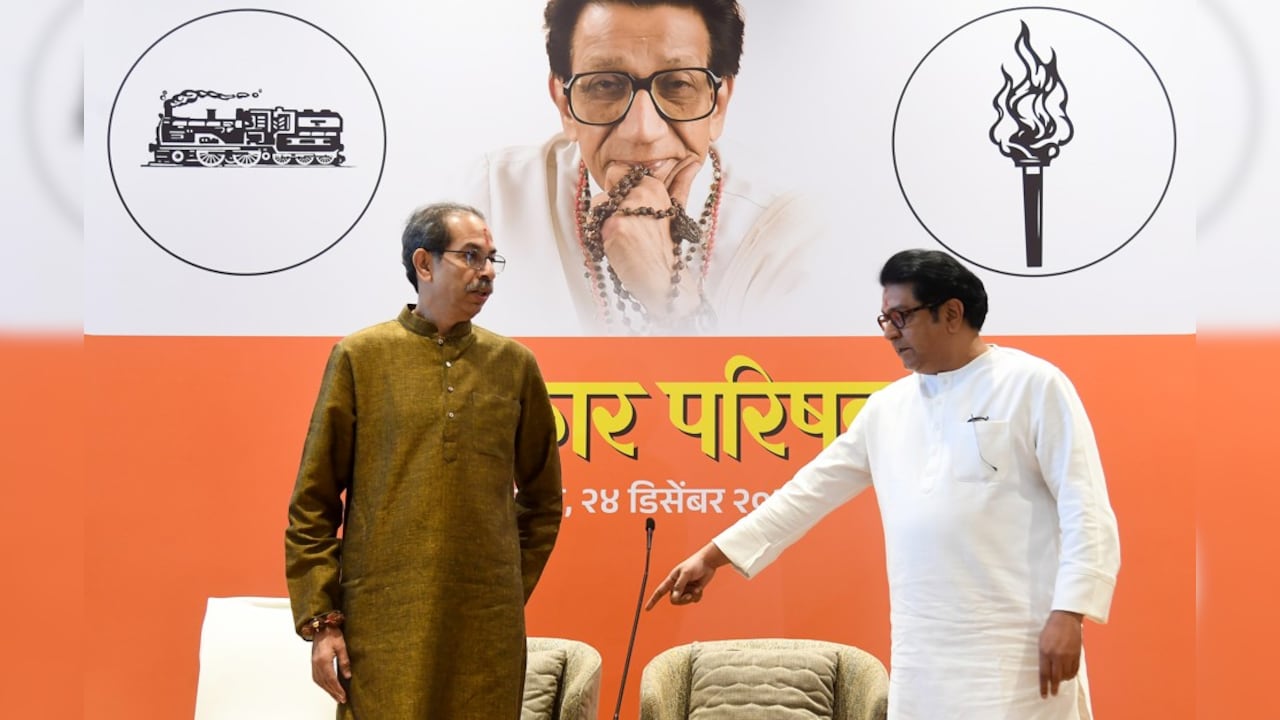
As the party marks six decades of existence, internal tremors and a fight for the legacy of Bal Thackeray suggest the Shiv Sena is yet again at a critical crossroads.
Sixty years ago, the Shiv Sena was forged as a movement of sub-national identity, capable of bringing Mumbai to a standstill with a single command from its founder, Balasaheb Thackeray. Today, the party is a fractured entity, its name and symbol firmly in the hands of Eknath Shinde, the man who engineered the most damaging rebellion in its history in 2022. As the organization marks its 60th foundation year, the air in Maharashtra is thick with speculation: will 2026 see yet another replay of the split, or is the party finally staring into the abyss of total irrelevance?
The current crisis goes beyond mere optics. Across the working-class belts of Sewri, Parel, and the traditional strongholds of Dadar and Mahim, the political machinery is grinding to a halt. Uddhav Thackeray’s faction is scrambling to secure its base, even as reports of internal dissatisfaction among its MPs—some alleging massive financial inducements—continue to leak. Meanwhile, the Shinde camp, now the senior partner in state power, is aggressively poaching local leadership, forcing a direct, high-stakes collision in the upcoming BMC elections.
The Uneasy Calculus of Reunion
A strange phenomenon is rippling through the corridors of power. Leaders from both the UBT and Shinde factions, once sworn enemies, are now publicly floating the idea of a reunion. The catalyst for this sudden shift is a shared existential anxiety: the growing dominance of the BJP. Figures like Ambadas Danve and Abdul Sattar have signaled that the "big fish" is swallowing the regional players. To them, the BJP is no longer an ally but a common adversary intent on hollowing out the Sena’s political footprint. Whether this is a genuine move toward reconciliation or just pre-election posturing remains the burning question in Mumbai's political circles.
Why it Matters: The Erosion of an Identity
The repetitive cycle of rebellion is the story of a party that has lost its ideological compass. From Chhagan Bhujbal to Narayan Rane and Raj Thackeray, the Sena has always been a house divided, but the current predicament is distinct. By repeatedly aligning with the BJP only to be checkmated by its larger ally, the Thackeray leadership has struggled to read the room for decades. The loss of the party symbol and the legal battle for the "real" Shiv Sena have left the voter confused and the cadre disillusioned.
The stakes for 2026 are binary. If the UBT and Shinde camps continue their fratricidal war, they risk ceding the BMC—the world’s richest municipal body—entirely to the BJP. If they unite, they might save their political skin, but they would be doing so by admitting that their core differences were essentially transactional. For a party that once defined the soul of Mumbai, this 60th year is less a celebration and more a desperate struggle for survival. The patterns of the past suggest that unless the leadership can synthesize its fractured identity, the Shiv Sena risks fading into a footnote of Maharashtra’s political history.
Rohan Gupta covers the economy, markets and companies for PoliticalPedia.