The 2026 World Cup Knockouts: Titans Collide as Giants Fall
FIFA World Cup 2026 round of 16 schedule
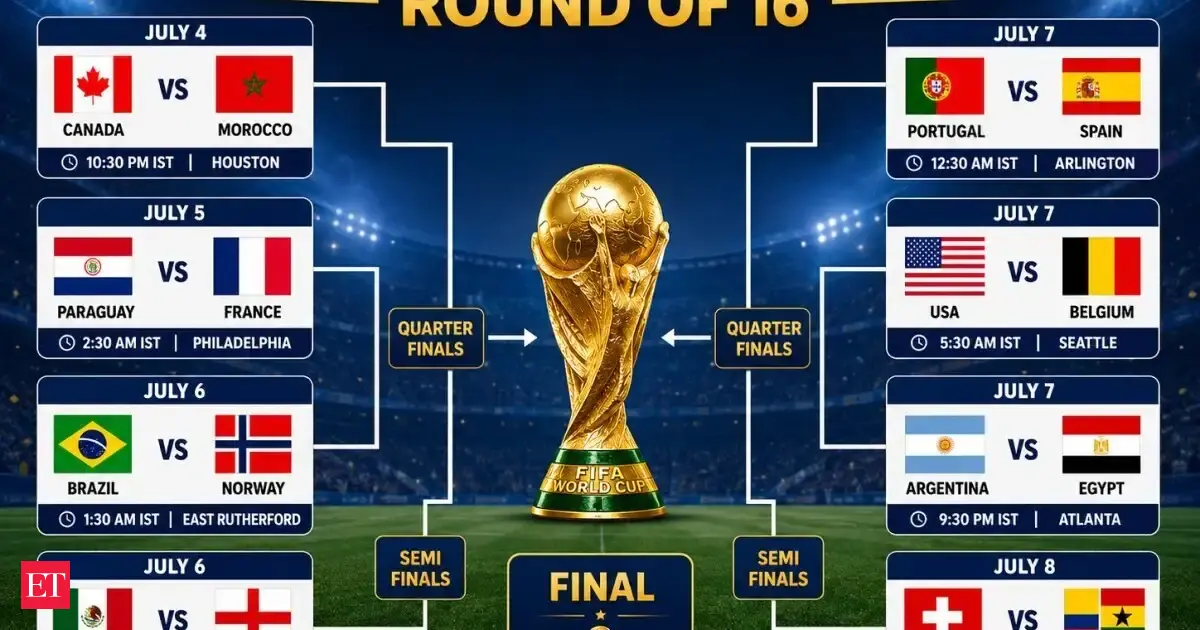
From the last-gasp heroics of Belgium to the shock exits of Germany and the Netherlands, the FIFA World Cup 2026 enters a high-stakes knockout phase that promises an unpredictable path to the final.
The landscape of the FIFA World Cup 2026 shifted dramatically this weekend. As the group stages concluded, the fifa world cup 2026 table rankings were rendered obsolete, replaced by a ruthless knockout bracket where a single penalty determines a nation's destiny. Argentina, having narrowly scraped past Cape Verde 3-2, now finds itself on a collision course with Egypt, while the tournament’s heavyweights face a gauntlet of sudden-death fixtures across North America.
The Drama of the Last 16
The round of 16 officially kicks off this July, and if the preceding days are any indication, caution has been thrown to the wind. Belgium delivered arguably the performance of the tournament against Senegal, trailing until the 86th minute before mounting a frantic comeback. Youri Tielemans’ 124th-minute penalty—the deepest stoppage-time strike in the history of the tournament—cemented a win that will be talked about for years.
Elsewhere, the narrative has been defined by the fall of traditional powerhouses. Both Germany and the Netherlands saw their campaigns unravel in penalty shootouts against Paraguay and Morocco, respectively. These exits have blown the bracket wide open, leaving international observers scrambling to recalibrate their predictions for the coming week.
Iconic Returns and High-Stakes Fixtures
Cristiano Ronaldo remains at the heart of the conversation. Following Portugal’s hard-fought 2-1 victory over Croatia, where he registered on the scoresheet alongside Goncalo Ramos, the veteran forward dedicated the win to his late teammate Diogo Jota. While viral rumors suggested he might consider retirement, Ronaldo dismissed the speculation with characteristic resolve, keeping his focus firmly on the upcoming clash against Spain—undoubtedly the marquee fixture of this round.
For fans following the schedule and times, the logistical intensity is only ramping up. From the 10:30 PM IST kick-off between Canada and Morocco to the high-pressure clash between Argentina and Egypt in Atlanta, the world is watching. Whether it is Mexico facing England or the USA testing their mettle against a resilient Belgian side, every match carries the weight of history.
Why it Matters: The Changing Guard
The bigger picture here is the rapid democratization of competitive football. The exit of European giants like Germany and the Netherlands, paired with the gritty, high-intensity football displayed by teams like Morocco and Cape Verde, signals that the tactical gap between "traditional" footballing nations and the rest of the world is shrinking.
As we move into the quarter-finals starting July 10, the tournament is no longer just about pedigree; it is about who can handle the sheer psychological pressure of the 120-minute slog. The heavy reliance on penalty shootouts to settle ties suggests that fitness and nerves have overtaken pure technical flair as the primary deciders of success. As FIFA continues to refine the competition structure, this World Cup is proving that the path to the trophy is becoming increasingly perilous for the favorites.
Arjun Mehta reports on government, policy and Parliament for PoliticalPedia, in English and Hindi.