The 2026 Heat Test: Why India Faces the World's Toughest El Nino Energy Crisis
El Nino's heat test: India may face world's biggest energy system impact
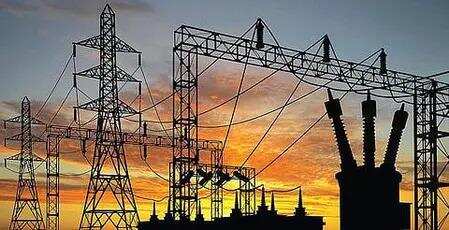
A new report warns that a looming super El Nino could cripple India’s power grid, forcing a surge in coal reliance just as climate stakes reach an all-time high.
The memory of this year’s scorching summer—where power demand shattered records at 270 GW—is still fresh in the minds of millions of Indians. Yet, meteorologists and climate researchers are already sounding an alarm for what lies ahead. Between July 2026 and June 2027, the transition from La Nina to a potential "super" El Nino could subject India to the most severe energy system shock of any nation globally.
According to a sobering report by the Centre for Research on Energy and Clean Air (CREA), the math is unforgiving. As temperatures climb, the demand for air conditioning is expected to spike by roughly 10 terawatt-hours (TWh)—a figure equivalent to nearly a quarter of Delhi’s entire annual electricity consumption. Simultaneously, the erratic weather patterns associated with this El Nino phase threaten to dampen wind and hydropower generation, creating a yawning supply-demand gap of nearly 18 TWh.
The Coal Dilemma
When the grid faces such a deficit, the immediate impulse is to ramp up coal-fired power. However, the report highlights that this is a dangerous short-term fix. Depending on the intensity of the event, India could be forced to burn enough coal to release an estimated 17 to 24 million tonnes of CO2. In the most extreme scenarios, this additional coal burn could reach 24 TWh—roughly half of the total increase in India’s coal usage from the previous year.
This creates a vicious cycle: we burn more fossil fuels to stay cool during climate-driven heatwaves, only to further exacerbate the very global temperature rises that triggered the crisis in the first place.
Why it matters
The broader implications go far beyond just electricity bills. A super El Nino is not merely a weather event; it is a stress test for the entire national infrastructure. With water shortages looming and increased pressure on our agricultural heartlands, the energy sector cannot afford to falter.
While the temptation to justify expanded coal capacity in the face of record demand is high, the operational reliability of these plants during extreme heat is often compromised. To truly insulate the economy, the focus must shift aggressively toward diversifying our energy mix. The path to resilience lies in the 500 GW non-fossil fuel target for 2030, but that ambition now requires an urgent, accelerated injection of investment into battery storage and modern grid management to ensure the system doesn't break when the mercury rises.
A Global Context
While the world remains distracted by fleeting trends—like the sporting fervor surrounding the upcoming Portugal vs Spain World Cup 2026—the silent, systemic risks of a warming planet are quietly stacking up. From Southeast Asia to the Indian subcontinent, governments are bracing for a period where food prices, inflation, and power stability will be dictated by shifting currents in the Pacific. For India, the message is clear: the transition to cleaner, more flexible power is no longer a climate goal; it is an immediate economic necessity.
Ananya Iyer covers global affairs with an Indian lens for PoliticalPedia.