Tensions boil over in Kolkata as TMC, rebel faction lock horns over party headquarters
'Criminal trespassers': TMC vows court battle as rival faction captures party office
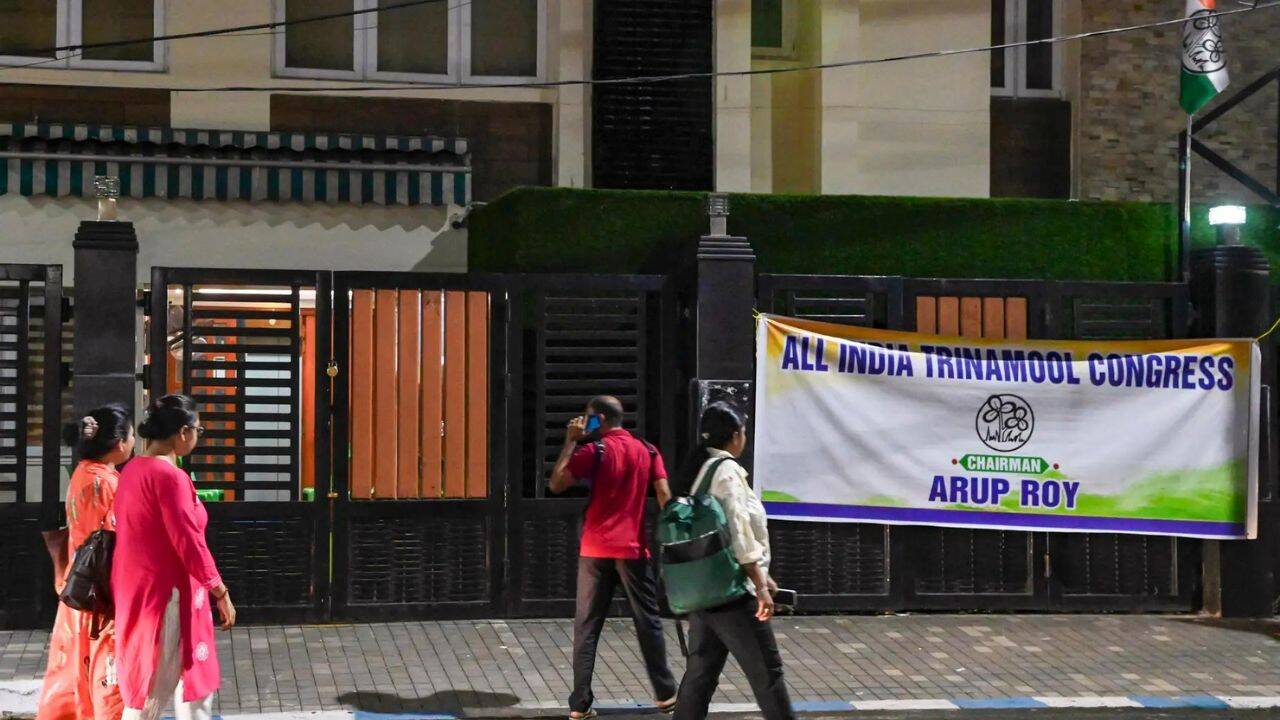
The Trinamool Congress has launched a legal offensive after a breakaway group led by an expelled MLA seized control of the party’s organisational office, sparking allegations of political sabotage.
The power struggle within the Trinamool Congress (TMC) reached a flashpoint in Kolkata on Friday when a faction led by expelled MLA Ritabrata Banerjee effectively seized control of the party’s organisational headquarters. By the time the dust settled, the premises were padlocked, and the TMC leadership was left crying foul, labelling the rebels "criminal trespassers" while accusing state and central security apparatuses of playing a partisan game.
TMC leaders, including MP Kalyan Banerjee and Kunal Ghosh, were quick to condemn the takeover. The party has already lodged a formal police complaint, arguing that the rebels—having been purged from the organisation—have no legal standing to occupy or lock the office. "We could have easily broken the lock," Ghosh noted, emphasizing that the party chose to refrain from physical confrontation to avoid escalating the chaos. Instead, the leadership is steering the dispute toward the courts, promising a protracted legal battle to reclaim their space.
The situation took a darker turn as TMC leaders questioned the role of law enforcement on the ground. According to reports from the scene, local police, the Rapid Action Force (RAF), and central forces remained stationed at the office while the locks were installed. Senior leader Madan Mitra went a step further, alleging that the rapid deployment of central forces was a strategic move to provide cover for the rebels. Mitra framed the incident as a broader conspiracy, claiming the breakaway group is effectively functioning as a "B-team" for the BJP, operating under the protection of central agencies.
Amid the standoff, the TMC highlighted a stark double standard. Mitra pointed out that while the authorities seemed eager to protect the rebels at the Kolkata headquarters, party workers across the state are currently facing widespread intimidation. He claimed that over a lakh of TMC party offices remain shuttered across Bengal due to what he described as "oppression and hooliganism," with no intervention from security forces to assist legitimate party members.
Why it matters
This incident signals a deepening fragmentation within the West Bengal political landscape. When internal party disputes move from shouting matches to the physical occupation of institutional offices, it indicates a breakdown in political discipline that often precedes wider electoral volatility. By framing the rebels as "criminal trespassers," the TMC is attempting to delegitimise the faction’s political identity while simultaneously testing the neutrality of local and central forces. Whether this becomes a protracted legal stalemate or fuels further street-level confrontation, the standoff underscores the high stakes of party control in a state where the physical possession of a headquarters often serves as a key symbol of political legitimacy.
Arjun Mehta reports on government, policy and Parliament for PoliticalPedia, in English and Hindi.