Tehran’s $6 Billion Claim: A High-Stakes Clash of Narratives with the Trump Administration
'Great victory': Iran says Qatar to release $6bn in frozen assets, contradicts Trump's claims
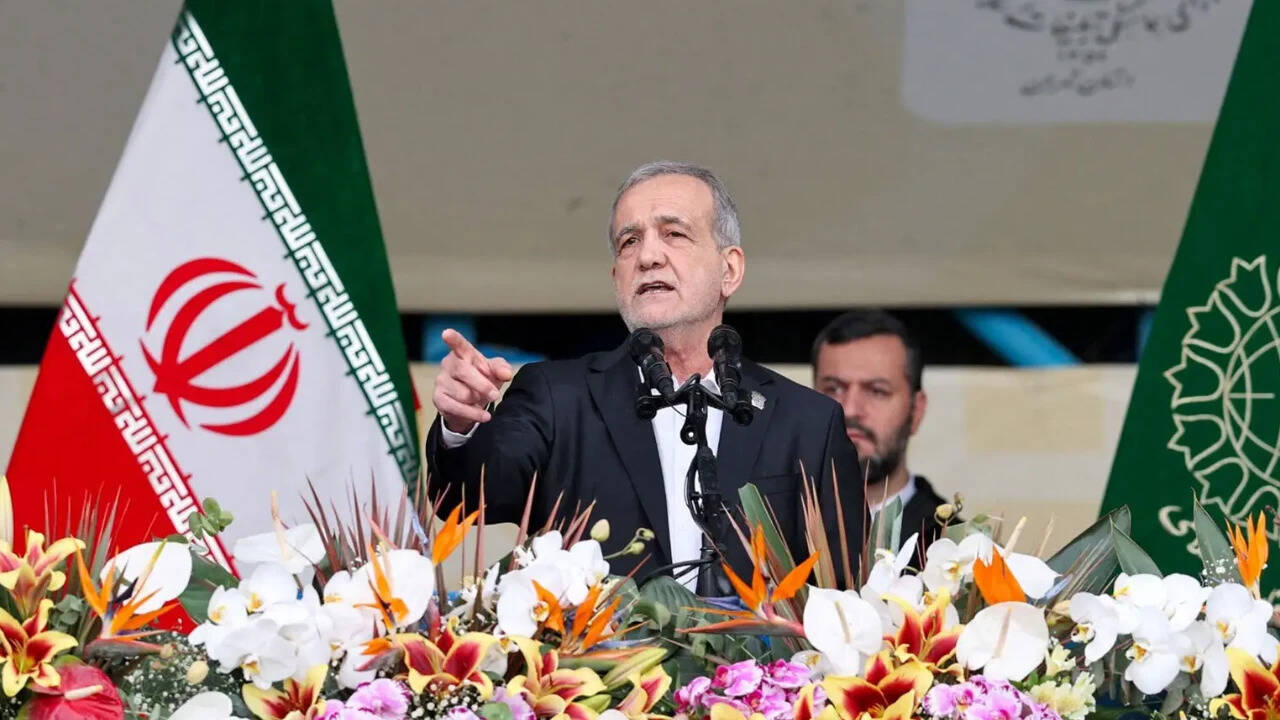
As Iran claims victory over the release of frozen assets in Qatar, the escalating military standoff in the Persian Gulf threatens to derail delicate diplomatic negotiations.
Tehran is projecting a bold image of success, even as the smoke clears over the Persian Gulf. Iranian President Masoud Pezeshkian has declared a “great victory,” publicly stating that $6 billion of frozen Iranian assets held in Qatar will be released and returned to the country. It is a significant assertion, with Pezeshkian becoming the highest-ranking official to confirm the move, framing it as a triumph for his people despite the deepening volatility in the region.
However, this narrative sits in direct opposition to the stance in Washington. US officials have maintained that no funds have been released, and the Trump administration has been quick to push back on the optics of the situation. President Trump, writing on Truth Social, dismissed the idea of any payout, asserting that Iran entered negotiations “out of desperation” and insisting Tehran would receive “not ten cents” during the current 60-day window.
A Conflict of Words and Weapons
The diplomatic friction is compounded by a rapid deterioration on the ground. Over the weekend, the Persian Gulf saw a spike in hostilities, with Iran launching drone and missile strikes against Bahrain and Kuwait in response to US airstrikes. These skirmishes followed two separate incidents where Iranian forces targeted vessels near the Omani side of the Strait, prompting immediate American retaliation.
The uncertainty is palpable. While Pakistan and Qatar have been working behind the scenes to facilitate talks, the ground reality remains fragile. Tehran has even issued a stark ultimatum, threatening a “complete halt” to negotiations if Washington persists with its military strikes. While US sources insist that technical discussions remain on schedule for the coming days, Iran has notably refrained from confirming its participation.
Why it matters
This standoff is about more than just frozen billions; it is a battle for domestic and international credibility. For the Pezeshkian administration, securing these assets is a political necessity to signal strength to a domestic audience. For the Trump administration, the refusal to release funds serves as a pivot point in a “maximum pressure” strategy aimed at neutralizing Iran’s military capabilities, which Trump claims have already been severely degraded by recent strikes.
The bigger picture reveals a volatile impasse. The fact that Qatar—the primary custodian of these funds—has remained silent on the transfer suggests that the diplomatic channel is currently hostage to the ongoing military escalation. If the rhetoric from Washington and the aggression from Tehran continue to escalate, the “interim arrangement” Pezeshkian speaks of may vanish before a single dollar moves. For now, the world is watching to see if the scheduled talks in the coming days actually materialise, or if the path to an agreement has been permanently severed by the latest round of strikes.
Priya Nair covers parties, elections and the business of power for PoliticalPedia.