Tactical Missteps and a Middle-Order Collapse: Shreyas Iyer’s Captaincy Debut Marred By Defeat in Belfast
Shreyas Iyer’s Captaincy Debut Marred By Defeat As India Suffer Shock 34-Run Loss In Belfast
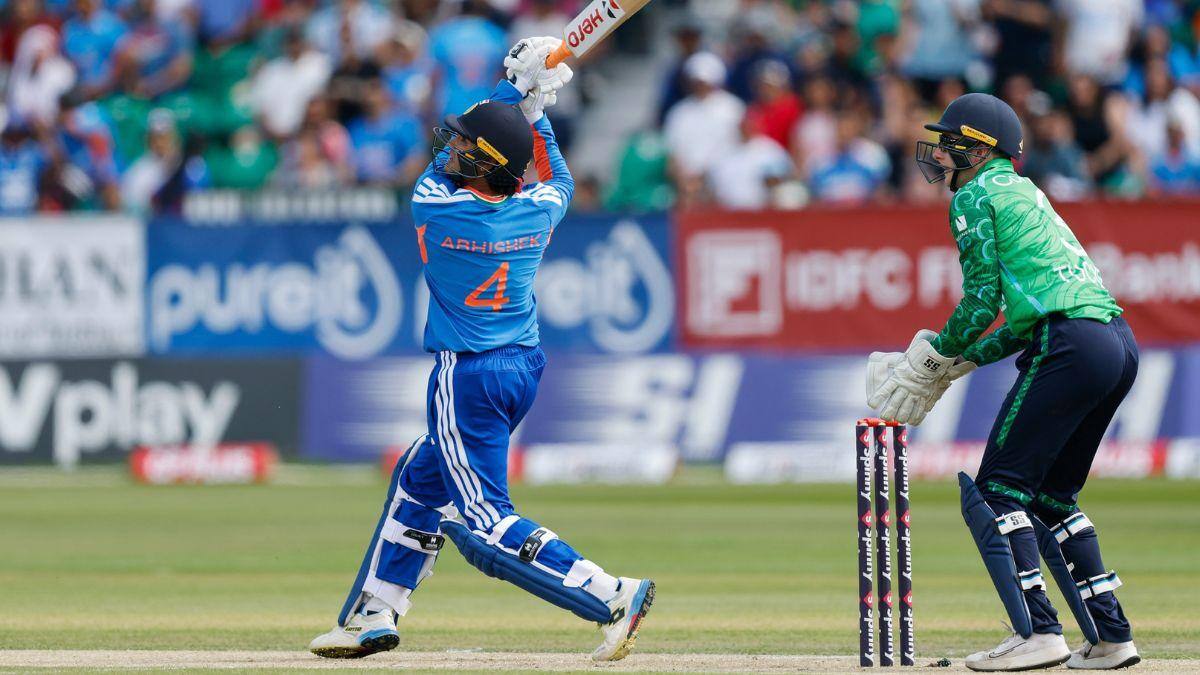
India’s new era under Shreyas Iyer hits a speed bump as a spirited Ireland side claims a historic win in the T20 series opener.
The cool, overcast air at Stormont was meant to provide the perfect backdrop for a fresh start, but for the Indian cricket team, the opening T20 international in Belfast quickly turned into a sobering lesson in tactical discipline. As Shreyas Iyer took the field for his first outing as full-time skipper, the expectations were high for a clinical display. Instead, the match ended in a shock 34-run loss in Belfast, as a transitional Indian side struggled to contain the hosts before crumbling under the pressure of a steep chase.
Winning the toss and opting to bowl first, India’s leadership group hoped to exploit the moisture in the pitch. However, the bowling unit lacked the necessary control during the middle overs. Ireland’s batters, led by a gritty half-century from skipper Lorcan Tucker and aggressive acceleration from Gareth Delany, capitalized on loose deliveries and short lengths. While Harshit Rana provided a rare highlight with a disciplined 3-24, and Arshdeep Singh added two late wickets to keep the target at 182-9, the foundation for an Irish victory had already been laid.
A Chase That Never Found Its Rhythm
The Indian response was defined by extremes. Following the early departure of Sanju Samson—clean-bowled by debutant Jai Moondra—Abhishek Sharma single-handedly threatened to change the narrative. Sharma’s explosive 20-ball half-century was a masterclass in aggression, featuring seven boundaries and two sixes that kept the required run rate well within reach.
However, once Sharma’s counter-attack was neutralized, the innings lost its structural integrity. The middle order failed to consolidate, allowing the Irish duo of Humphreys and Hollard to dismantle the lineup with precision. The collapse was comprehensive, turning what looked like a manageable chase into a lopsided affair that saw Ireland secured a historic victory in front of a jubilant home crowd.
Why It Matters: The Price of Transition
This result serves as a stark reminder of the volatility inherent in blooding a new-look squad. For the selectors, this match highlights a persistent vulnerability in the middle order when the top-order momentum is broken. Shreyas Iyer’s captaincy debut marred by defeat brings into focus the challenges of maintaining line-and-length consistency during the middle overs—a recurring issue for Indian bowlers in overseas conditions.
The bigger picture suggests that while the talent pool is deep, the transition from domestic performers to international match-winners is not always linear. Integrating fresh faces requires more than just raw aggression; it demands the tactical maturity to anchor a chase when the initial flurry of runs dries up. The team management will likely use this loss as a critical stress test, evaluating whether the current bowling strategy is robust enough for high-stakes white-ball cricket.
Rohan Gupta covers the economy, markets and companies for PoliticalPedia.