SpaceX Market Debut: Is a $2 Trillion Valuation Reality or Just Pre-IPO Hype?
SpaceX share listing: Analysts predict $2 trillion valuation for Elon Musk-led space firm
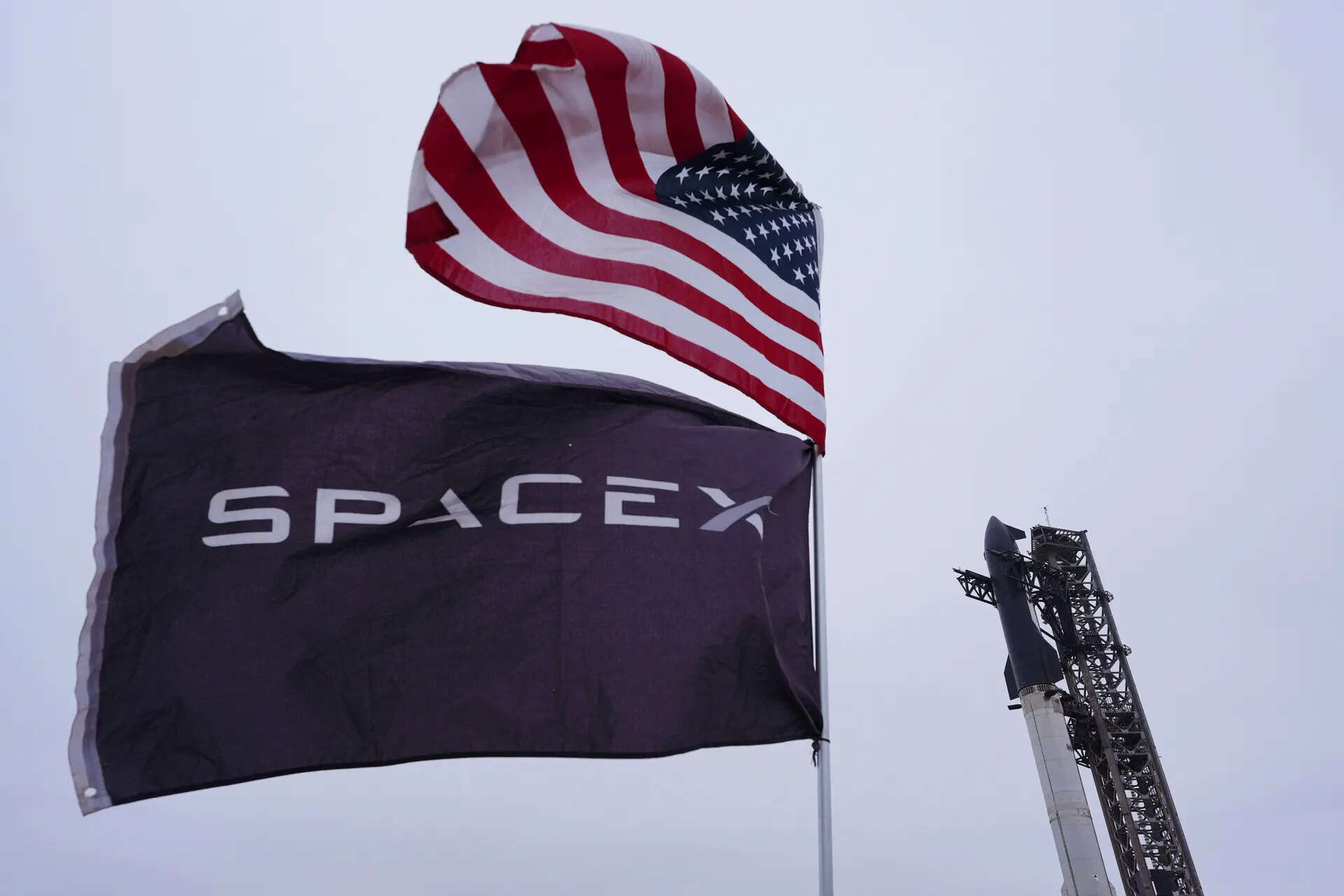
As Elon Musk’s aerospace giant prepares for its historic public listing, shadow markets are betting on a massive valuation, even as Wall Street voices caution.
The clock is ticking on what is arguably the most anticipated public offering in recent memory. As SpaceX prepares to open its books to the wider world, investor frenzy has hit a fever pitch. In the pre-market "shadow" exchanges, the mood is decidedly bullish. Traders on platforms like Polymarket are currently assigning a 70% probability that the company will close its first day of trading with a market valuation exceeding the $2 trillion mark.
Data from IG International, tracked early Friday in Singapore, suggests that the aerospace firm could see its valuation soar toward $2.4 trillion. This reflects a jump of over 35% from the initial public offering (IPO) price of $135 per share, which valued the company at roughly $1.77 trillion. Even on crypto-native platforms like Hyperliquid, perpetual futures for the stock have been trading at levels that imply a market capitalization well north of $2.3 trillion.
The Disconnect Between Shadow Markets and Reality
Despite the palpable excitement, seasoned market observers are urging a degree of skepticism. Shadow markets and derivative platforms, while indicative of sentiment, operate with significantly lower liquidity and transparency than regulated public exchanges. They are often prone to the influence of leverage, speculative bursts, and a relatively small, highly active pool of traders.
While the appetite for an Elon Musk-led venture remains insatiable, Wall Street analysts have offered a more tempered view. Some reports suggest that the intrinsic value of the company, when stripped of the "Musk premium," might sit closer to half of the sky-high expectations currently circulating in prediction markets. For retail investors, the core challenge remains distinguishing between the company's genuine technological dominance and the speculative mania surrounding its stock.
Why It Matters: The "Trillion-Dollar" Benchmark
This IPO is a litmus test for the new era of high-stakes technology listings. If SpaceX manages to sustain a valuation beyond $2 trillion, it effectively resets the bar for what public markets are willing to swallow. It creates a psychological corridor for future mega-listings from firms like OpenAI or Anthropic, signaling to institutional capital that investors are now comfortable backing AI-integrated, capital-intensive empires at valuations that were unthinkable just half a decade ago.
The broader market impact is already visible. Space-themed ETFs have seen their total assets surge past $5 billion, as funds position themselves to ride the coattails of the industry leader. However, history serves as a stern reminder: massive pre-IPO demand does not automatically guarantee long-term returns. Investors are currently weighing the promise of a global satellite internet monopoly against the inherent risks of a company that remains heavily tethered to the personal brand and strategic direction of a single man.
Rohan Gupta covers the economy, markets and companies for PoliticalPedia.