'Sorry after enjoying like a joker?': Sutapa Sikdar rejects the apology in biryani row
Sutapa Sikdar slams Pranit over viral misogynistic clip: 'Sorry after enjoying like joker?'
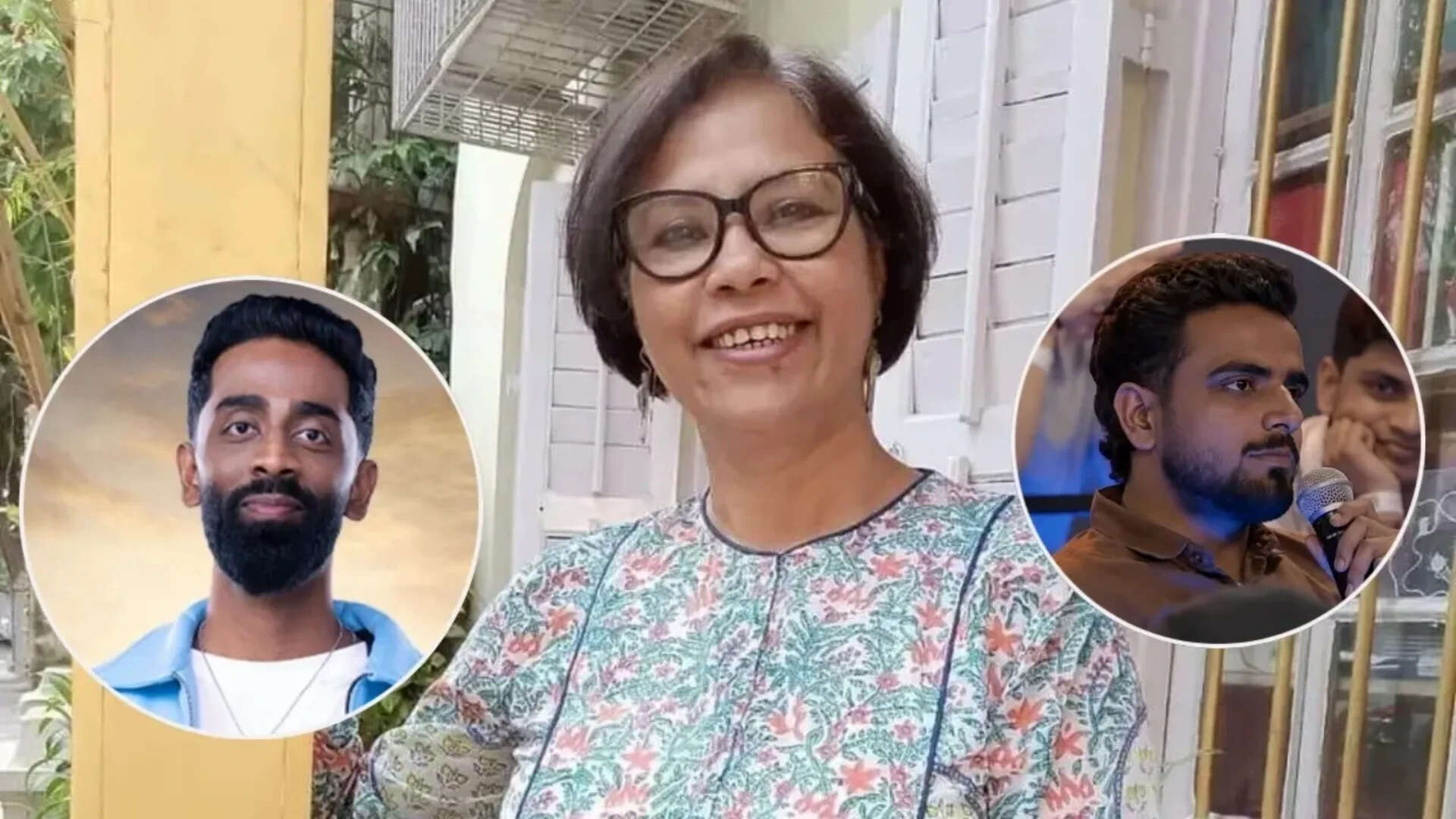
Sutapa Sikdar has publicly dismissed the apology issued by comedian Pranit More following a viral clip featuring a derogatory remark about women.
The digital public square is rarely forgiving, but when a line is crossed, the backlash often feels as swift as the content that sparked it. This week, the internet found itself embroiled in a heated debate over a viral clip from a stand-up show by comedian Pranit More. In the footage, an audience member named Himanshu Jangra flippantly suggested that spending Rs 370 on chicken biryani for a woman entitled him to a "return" on his investment—a thinly veiled, misogynistic insinuation that was met with laughter from the stage.
That laughter proved costly. As the clip circulated, it drew sharp, widespread condemnation for normalising sexist entitlement. Pranit More, known for his stint on Bigg Boss 19, eventually posted an apology on his Instagram Stories. He admitted that his decision to laugh instead of challenging the audience member was a significant lapse in judgment, confirming he had removed the video from all platforms to avoid further amplifying such rhetoric.
However, the attempt at damage control fell flat with Sutapa Sikdar. The producer and wife of the late actor Irrfan Khan took to social media to signal that a simple "sorry" is no longer enough to address the toxic undercurrents of such comedy. Posting a screenshot of More’s apology alongside grim statistics regarding violence against women in India, she wrote: "Sorry?? After enjoying like a joker to get more laughter from more perverts in the audience? We don't accept your apology; if we do nothing will change."
The bigger picture
Sutapa Sikdar’s firm rejection of the apology transcends the immediate controversy. It touches on a growing fatigue among audiences toward the "crowdwork" format, which has increasingly relied on spontaneous, often degrading, interactions to drive engagement. By questioning why women are expected to offer automatic forgiveness for public misogyny, Sikdar has reframed the incident from a simple comedy mishap to a systemic issue. The fact that the comedian reportedly deactivated his account as the heat intensified suggests that the era of treating derogatory "jokes" as harmless improvisation is effectively ending.
Why it matters
This incident highlights a shifting power dynamic in Indian digital culture. Comedians who rely on real-time audience interaction are finding that the "live" nature of their performance is no longer a shield against accountability. When a public figure chooses to validate an offensive premise for a quick laugh, they are not just performing; they are legitimising a worldview. For many, like Sikdar, the apology feels reactive rather than reflective—a box-ticking exercise meant to silence critics rather than spark genuine change. As creators become more conscious of the weight their platforms carry, the audience is clearly signaling that they are no longer willing to trade their dignity for the sake of a viral clip.
Kabir Sharma writes on culture, technology and everyday life for PoliticalPedia.