Skies over Moscow: Ukraine launches largest drone attack since the war began
1,000 drones & cruise missiles: Ukraine launches largest attack against Russia
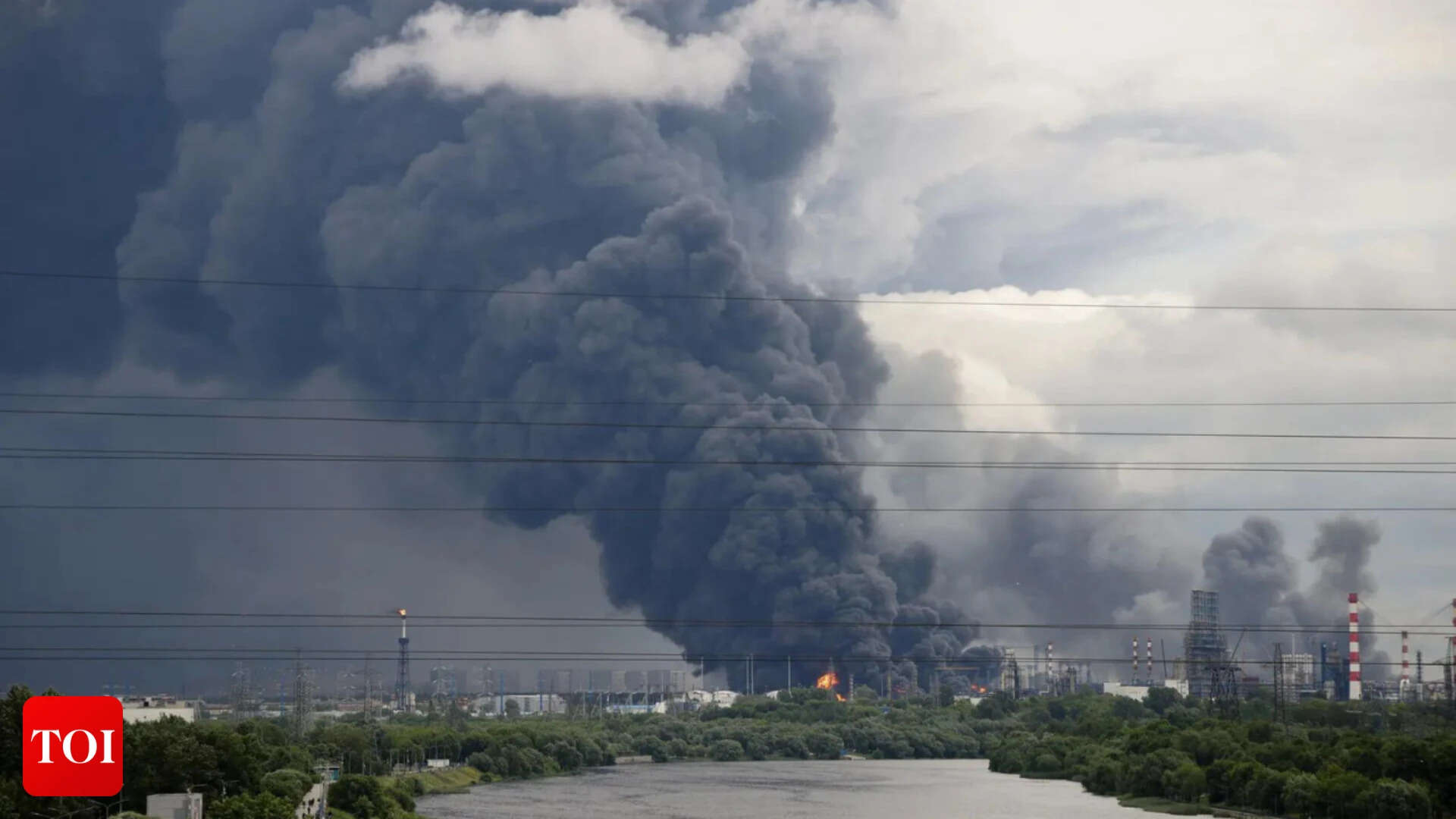
In a massive escalation, nearly 200 drones targeted the Russian capital, marking the most significant aerial offensive since the 2022 invasion.
The morning sky over Moscow turned grim as plumes of thick, black smoke rose from the Kapotnya oil refinery—the third such strike on the facility this month. For residents, the reality of the war, often kept at a distance, arrived with the roar of nearly 200 drones swarming the capital. This was not a sporadic raid; it was a coordinated, high-intensity attack that forced the temporary closure of four airports and saw over 500 flights grounded. Across the country, Russian air defences reported an unprecedented wave, claiming to have intercepted almost 1,000 unmanned aerial vehicles and four cruise missiles within a single 24-hour window.
The scale of the operation is staggering. While early incursions in 2023 were small and tactical, this latest Ukrainian effort signals a fundamental shift in reach and capability. Videos circulating on social media captured the sheer ferocity of the strikes, including one harrowing clip showing the lid of a massive oil storage tank being hurled dozens of metres into the air by a powerful blast. Despite local authorities attempting to suppress imagery of the destruction, the digital trail of the assault was impossible to hide.
The strategic shift
President Volodymyr Zelensky has framed these long-range strikes as "sanctions" of a different kind—a direct, kinetic response to recent Russian bombardments on Ukrainian religious and civilian landmarks. "If Ukraine burns, your Moscow will burn too," Zelensky warned, signalling that the goal is to pressure the Kremlin toward diplomacy by bringing the cost of the war home to the Russian heartland. The targeting of critical infrastructure, including an oil depot in the southern Rostov region, suggests a deliberate attempt to cripple the logistics and economy sustaining the front lines.
Why it matters
This surge in aerial warfare marks a turning point in the conflict. For months, the narrative was dominated by Russian superiority in the air, but the latest data suggests Kyiv has closed the gap, managing to outshoot its adversary in cross-border operations for the first time. By shifting the theatre of conflict into the industrial and administrative core of Russia, Ukraine is testing the limits of Moscow's defensive posture. The implications are clear: the war is moving away from purely territorial battles toward a war of attrition aimed at the enemy’s domestic stability. As both sides escalate their use of drones and cruise missiles, the prospect of a prolonged, high-tech stalemate looms, making the coming weeks critical for regional security.
Arjun Mehta reports on government, policy and Parliament for PoliticalPedia, in English and Hindi.