Silent Crisis in Rajasthan: 535 Farmers Died Following Unsafe Pesticide Exposure
535 farmers died due to unsafe pesticide use between January 2024-2026 in Rajasthan
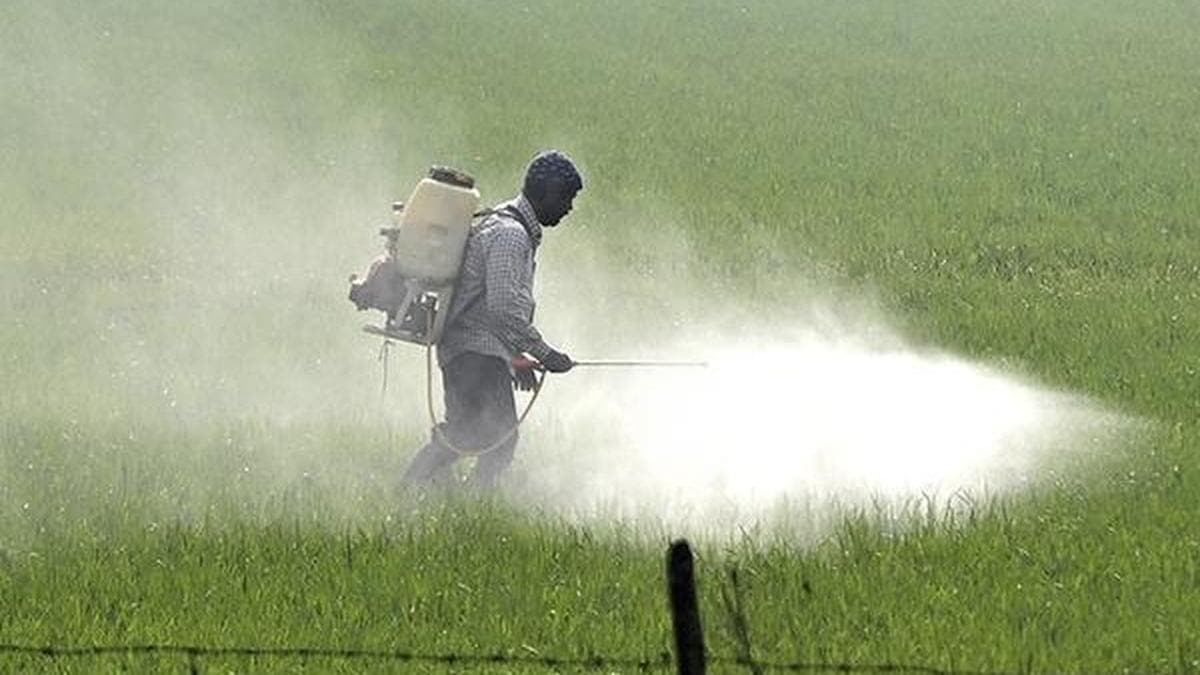
A chilling report from the state agriculture department reveals that hundreds of lives were lost due to hazardous chemical handling and substandard supplies over the past two years.
The agricultural landscape of Rajasthan has been marred by a grim statistic, with 535 farmers reported to have died during the period between January 2024 and January 2026. This data, disclosed in the state Legislative Assembly, highlights the lethal consequences of improper pesticide application and the circulation of substandard chemical products across the state’s farmlands.
A Pattern of Negligence and Loss
The agriculture department’s disclosure came in response to an unstarred question raised by Congress MLA Amin Kagzi. According to official records, these tragic deaths occurred as a direct result of farmers and agricultural labourers failing to adopt mandatory safety protocols while handling toxic substances. The state government noted that while the Insecticides Act, 1968, and the accompanying 1971 rules do not contain provisions for direct compensation, financial aid amounting to ₹5.10 crore was distributed to the families of the deceased under the Chief Minister’s farmer welfare scheme.
The geographical distribution of these fatalities reveals a stark divide across the state. Bikaner bore the heaviest burden with 57 deaths, followed closely by Churu with 56. Other regions, including Hanumanganh, Jhalawar, and Jodhpur, also recorded significant casualty numbers. Conversely, several districts, such as Dholpur, Jaisalmer, and Banswara, reported zero deaths, suggesting that environmental factors, crop types, or varying levels of safety awareness may play a role in this uneven mortality rate.
Quality Control Under Scrutiny
Beyond the human toll, the department’s audit of agricultural inputs paints a troubling picture regarding the quality of chemicals reaching the fields. During the same two-year window, authorities tested 5,521 pesticide samples. While the vast majority met regulatory standards, 189 samples were identified as substandard. Of these, 114 cases were formally confirmed as substandard, triggering ongoing judicial proceedings against the suppliers and distributors involved.
The department’s enforcement response included the issuance of 282 show-cause notices and 14 seizure proceedings. Furthermore, authorities suspended 14 licenses and cancelled 22 others to curb the distribution of illicit or faulty products. Despite these actions, the department maintained that there were no reports of banned or fake pesticides being sold openly in the markets, framing the issue primarily as one of quality monitoring and user safety.
The Path Forward
The scale of these deaths has sparked a call for urgent structural changes. Legislators have emphasized that these figures represent more than just administrative failures; they are a clear signal that the current oversight mechanisms are insufficient to protect the workforce on the ground. As the state grapples with the aftermath, the focus is shifting toward implementing more rigorous monitoring of chemical retail networks and launching aggressive awareness campaigns to ensure that farmers are equipped with the knowledge and protective gear necessary to handle hazardous pesticides without risking their lives.
The PoliticalPedia Editorial Desk brings verified, sourced political news and analysis from across India.