Shadows over Dharamshala: Team India’s Selection Dilemma as Kohli and Pandya Miss Out
India vs Afghanistan 2026 1st ODI Match Predicted Playing 11: Rohit Sharma, Rashid Khan IN, Virat Kohli, Hardik Pandya OUT, Prince Yadav or Gurnoor Brar will…
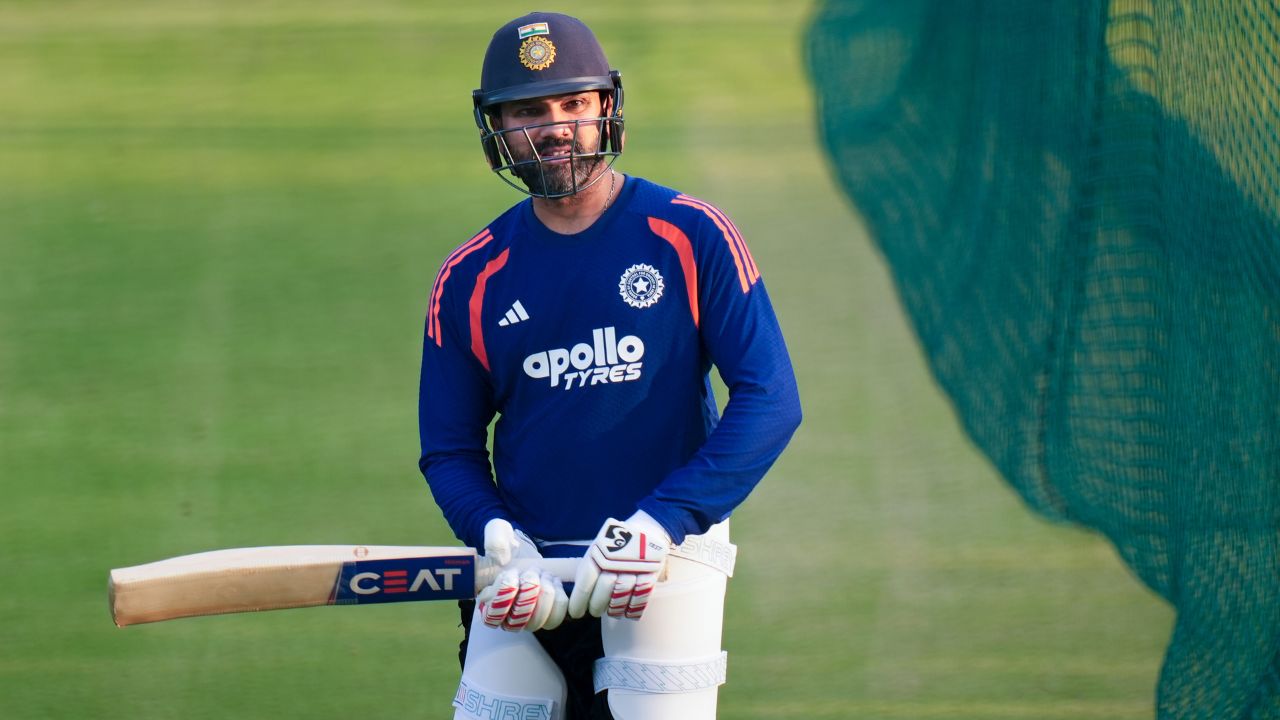
As India prepares for the series opener against Afghanistan, injuries to stalwarts force a tactical reshuffle that puts the spotlight on the next generation of talent.
The crisp air of the HPCA Stadium in Dharamshala is usually a perfect setting for cricket, but as the Indian squad gears up for the first ODI match against Afghanistan, the atmosphere is tinged with uncertainty. For a team that prides itself on depth, the absence of two of its biggest match-winners—Virat Kohli and Hardik Pandya—has necessitated a sudden, high-stakes experiment. Kohli, sidelined by a hamstring injury sustained during the IPL, and Pandya, who failed a fitness test at the Centre of Excellence, leave gaping holes in the lineup that the management is now scrambling to fill.
The Search for Stability
The biggest question looming over the dressing room is who slots into the pivotal number three position. While Yashasvi Jaiswal has been drafted into the squad, the management appears to be leaning toward Ishan Kishan for the role. Bowling coach Morne Morkel confirmed that the upcoming series is being treated as a laboratory for structural shifts, with the team looking to stress-test their batting order. "We’ll play around with the number three slot," Morkel noted, signaling that this isn't just about filling a vacancy, but about identifying versatile options for the future.
The vacancy left by Hardik Pandya is arguably more complex. The team has opted not to name a direct replacement for the all-rounder, instead placing their faith in the rising Sunrisers Hyderabad star Nitish Kumar Reddy. Morkel’s assessment of Reddy is glowing, highlighting technical adjustments made to his balance and energy transfer at the crease. Whether Reddy can replicate Pandya’s ability to provide that "extra helping hand" in both departments remains the defining subplot of the opening game.
The Bigger Picture
Why does this matter? For Team India, this series is a vital transition period. With Rohit Sharma leading a side that is forced into rotation, the management is clearly prioritizing the expansion of its core talent pool over short-term results. By experimenting with KL Rahul’s role—who may cede the wicketkeeping gloves—and testing middle-order stability, the selectors are essentially trying to build a version of India that is less reliant on individual icons. The shift from a settled XI to a more flexible, audition-based setup reflects a pragmatic shift in how the BCCI approaches bilateral ODIs, turning what could have been a routine series into a high-pressure trial for fringe players like Prince Yadav or Gurnoor Brar.
On the other side, the visitors have their own narratives to write. With Rashid Khan in the squad, Afghanistan brings a level of spin-bowling threat that could easily exploit any nervousness in India’s reconfigured batting order. As the Dharamshala pitch prepares to host the clash, the spotlight is firmly on whether the Indian middle-order can prove that their bench strength is more than just a theory.
Ananya Iyer covers global affairs with an Indian lens for PoliticalPedia.