‘Sar Katega Lekin Jhukega Nahi’: How Kakoli Ghosh Dastidar’s Exit Marks a New Low for Bengal’s Ruling Party
'Sar Katega Lekin Jhukega Nahi': TMC Rebel MP Kakoli Opens Up On Leaving Mamata After 40 Years
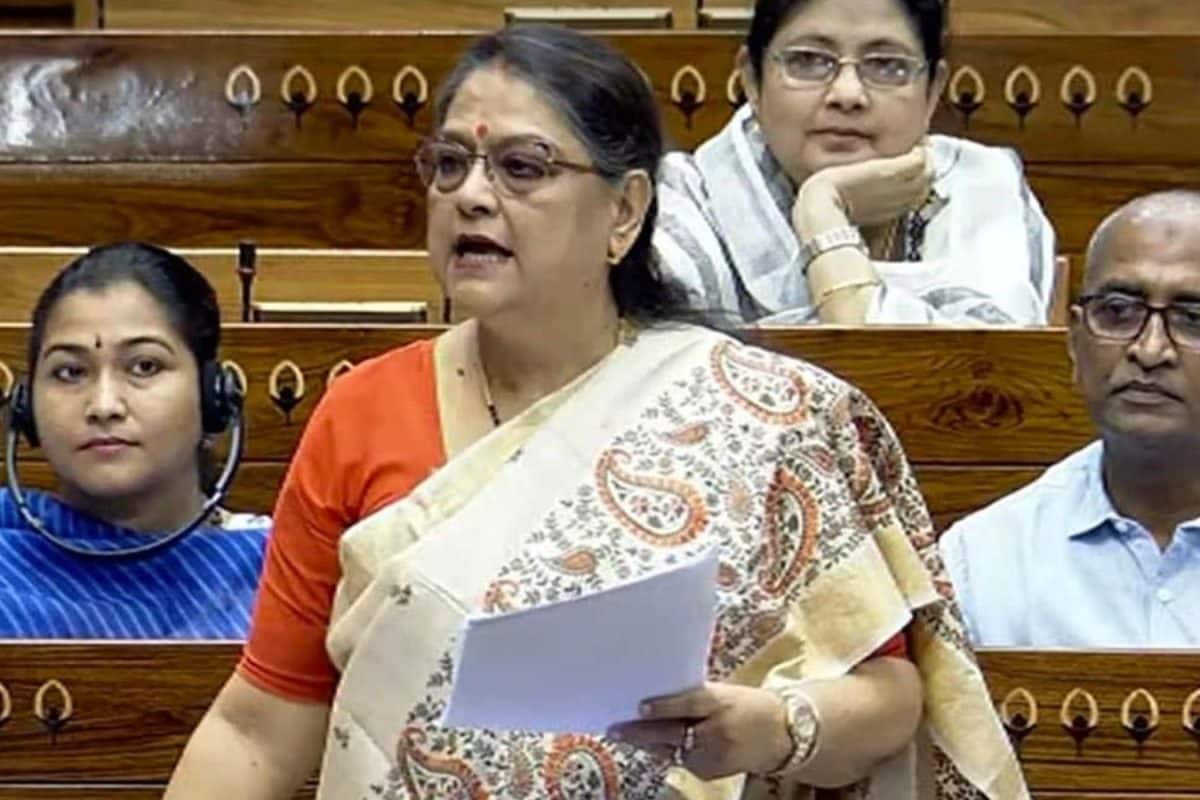
The three-time Barasat MP has turned against her mentor of four decades, signalling a deepening crisis within the Trinamool Congress ranks.
For forty years, Kakoli Ghosh Dastidar stood as a pillar of Mamata Banerjee’s political inner circle. She was there long before the party’s rise to power in 2011, serving as a key strategist and the face of its outreach programmes, such as the Bangla Janani. But this week, that decades-long alliance shattered. In a defiant press interaction, the TMC rebel MP Kakoli Ghosh Dastidar declared that while she is leaving, her spirit remains unbroken: "Sar katega lekin jhukega nahi" (My head may be severed, but it will not bow).
The departure is more than just a personal fallout; it is a structural earthquake for the Trinamool Congress. Dastidar, a three-time MP from Barasat, has claimed that she is not alone. According to her, at least 20 other disgruntled MPs are currently in active talks to switch sides and join the National Democratic Alliance (NDA). If true, this represents an unprecedented erosion of the near-unquestionable loyalty that once defined the party’s Lok Sabha contingent.
A Growing List of Grievances
Dastidar did not mince words when explaining why she is walking away from Mamata after 40 years. She pointed to a systemic collapse in governance, citing deep-seated issues in state-run sectors like health and education. The veteran politician alleged that the state’s bureaucracy has been hollowed out, with government officers forced to function according to the whims of a handful of party leaders rather than following established protocol.
This, she argues, created a toxic working environment that made effective administration impossible. Beyond the policy failures, the internal atmosphere appears to have soured significantly. Dastidar has openly alleged that she was consistently sidelined, claiming that party cadres were even encouraged to abuse her—a charge that highlights the widening rift between the old guard and the party's current power brokers.
The Bigger Picture
Why does this matter? For years, the TMC’s strength relied on its ironclad cohesion and the absolute authority of its leadership. By openly challenging that hierarchy, Dastidar is doing more than just defecting; she is dismantling the narrative of party unity. Her decision to exit—and her willingness to take others with her—suggests that the crushing defeat in the 2026 Assembly elections was not a one-off event, but a symptom of a much larger, brewing internal crisis.
When a leader who has served as a mentor-mentee figure for four decades walks away citing "lawlessness" and "financial irregularities," it damages the party's credibility among its own base. As the opposition looks to consolidate, the question is no longer just about who is leaving, but how many more will follow the path paved by the rebel MP as the state’s political landscape undergoes a sharp, unpredictable shift.
Features Desk at PoliticalPedia covers culture, tech & life for an Indian audience in English and Hindi.