'Sar katega, jhukega nai': Kakoli Ghosh leads 20-strong rebel revolt against Mamata’s TMC
'Sar katega, jhukega nai': TMC's Kakoli Ghosh after bye to Mamata, hi to NDA with 19 rebels
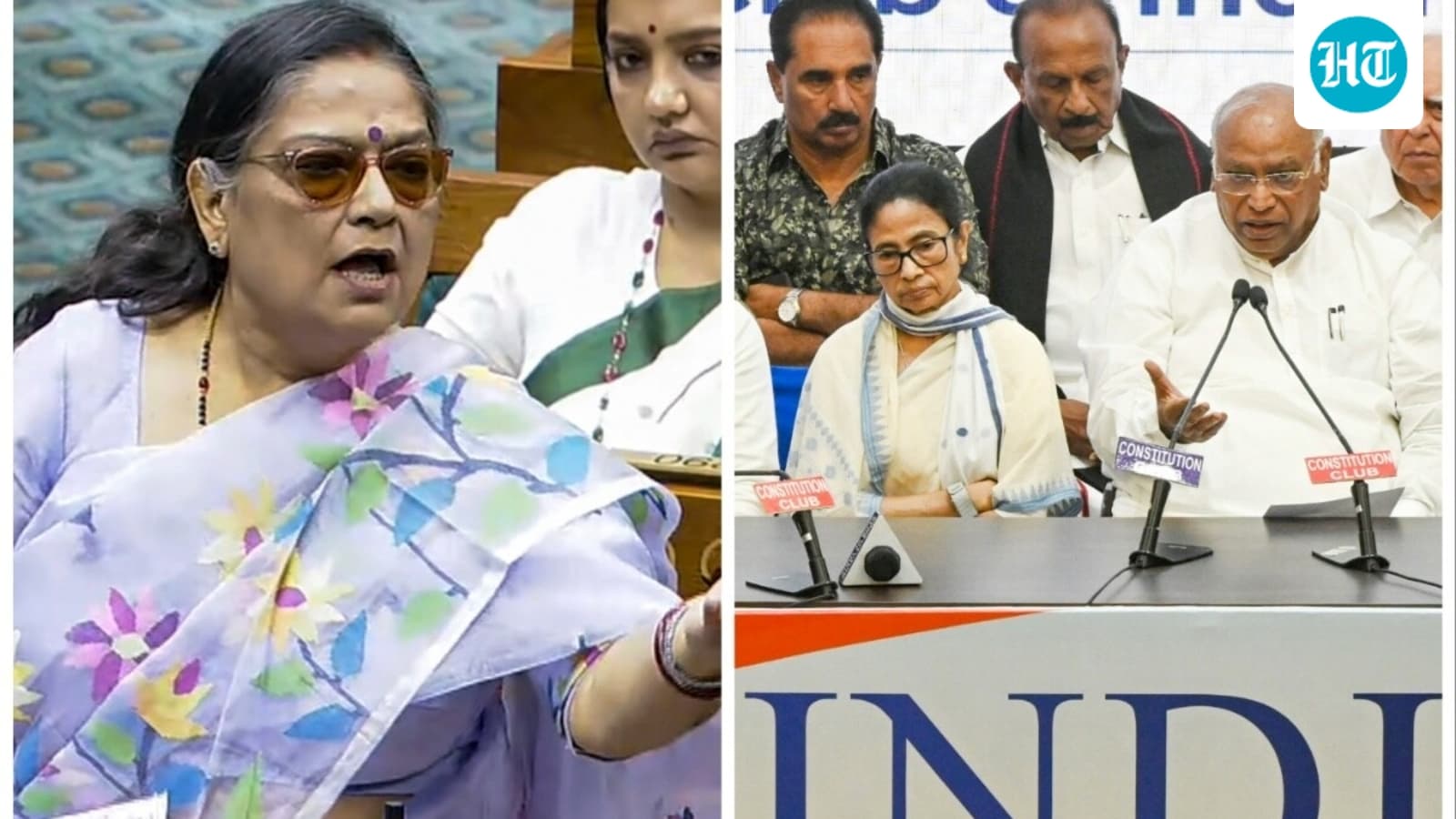
In a seismic shift for West Bengal politics, veteran leader Kakoli Ghosh Dastidar has announced that 20 TMC MPs are shifting their allegiance to the NDA, citing deep-seated corruption and a collapse in party ethics.
The walls of the Trinamool Congress (TMC) are crumbling. Just three kilometres from where Mamata Banerjee held a meeting for the INDIA bloc, a group of rebel parliamentarians led by the seasoned Barasat MP Kakoli Ghosh Dastidar gathered at the home of Union Minister Bhupender Yadav. The message from the rebels was defiant and chilling: "Sar katega, jhukega nai" (My head will be severed, but I will not bow). After four decades of loyalty, Ghosh Dastidar’s public break signals that the party’s post-poll internal strife has reached a point of no return.
The rebellion appears to be a coordinated attempt to bypass anti-defection laws. By claiming the support of 20 out of 28 Lok Sabha members, the faction seeks to meet the two-thirds threshold required to split legally. Ghosh Dastidar, who resigned from all organisational posts late last month, has not minced words about her grievances. She points to a culture of sycophancy, "anarchical rule," and a complete breakdown in the party’s moral compass, bolstered by the recent, high-profile resignation of veteran leader Sukhendu Sekhar Ray.
For Mamata Banerjee, the imagery is as damaging as the numbers. The presence of BJP leader Suvendu Adhikari at meetings with the rebel MPs—including a session at the residence of four-time Birbhum MP Shatabdi Roy—suggests that the BJP is capitalising on the TMC's systemic collapse. Ghosh Dastidar’s departure follows a string of insults she allegedly endured from party brass, including being sidelined after a parliamentary reshuffle that she claimed rewarded rude behaviour over experience.
Why it matters: The end of an era
This is more than a mere legislative defection; it is the disintegration of a political monolith. The TMC, which once operated with a singular, iron-fisted command structure under Banerjee, is currently grappling with a crisis of legitimacy. When a leader of Ghosh Dastidar’s stature—who remained with the party through its most difficult years in the wilderness—decides that "the nation is paramount" and pivots to the NDA, it indicates that the party’s state-level failures have finally alienated its core parliamentary engine. The shift suggests that the TMC’s influence in Delhi is effectively being hollowed out, leaving the former Chief Minister to manage a shrinking, demoralised base.
The rebels are now looking to the Lok Speaker to formalise their separate seating, effectively creating an NDA-aligned bloc within the House. As the state reels from the aftershocks of the assembly poll loss and controversies surrounding governance and law-and-order failures, this mass migration of MPs could set a precedent for further desertions among MLAs and lower-level cadres.
The path ahead for the TMC looks increasingly precarious. With the party machinery reportedly struggling with internal allegations of financial mismanagement and the fallout from the tragic RG Kar hospital incident, the question is no longer whether the party can win back its supporters, but whether it can remain a coherent force in the national opposition at all. For now, the narrative is being dictated by those walking out the door.
World Desk at PoliticalPedia covers global affairs for an Indian audience in English and Hindi.