Rising Waters: How Pimpri-Chinchwad is Coping with the Deluge
Residents evacuated from flood-prone areas amid heavy rain in Pimpri-Chinchwad
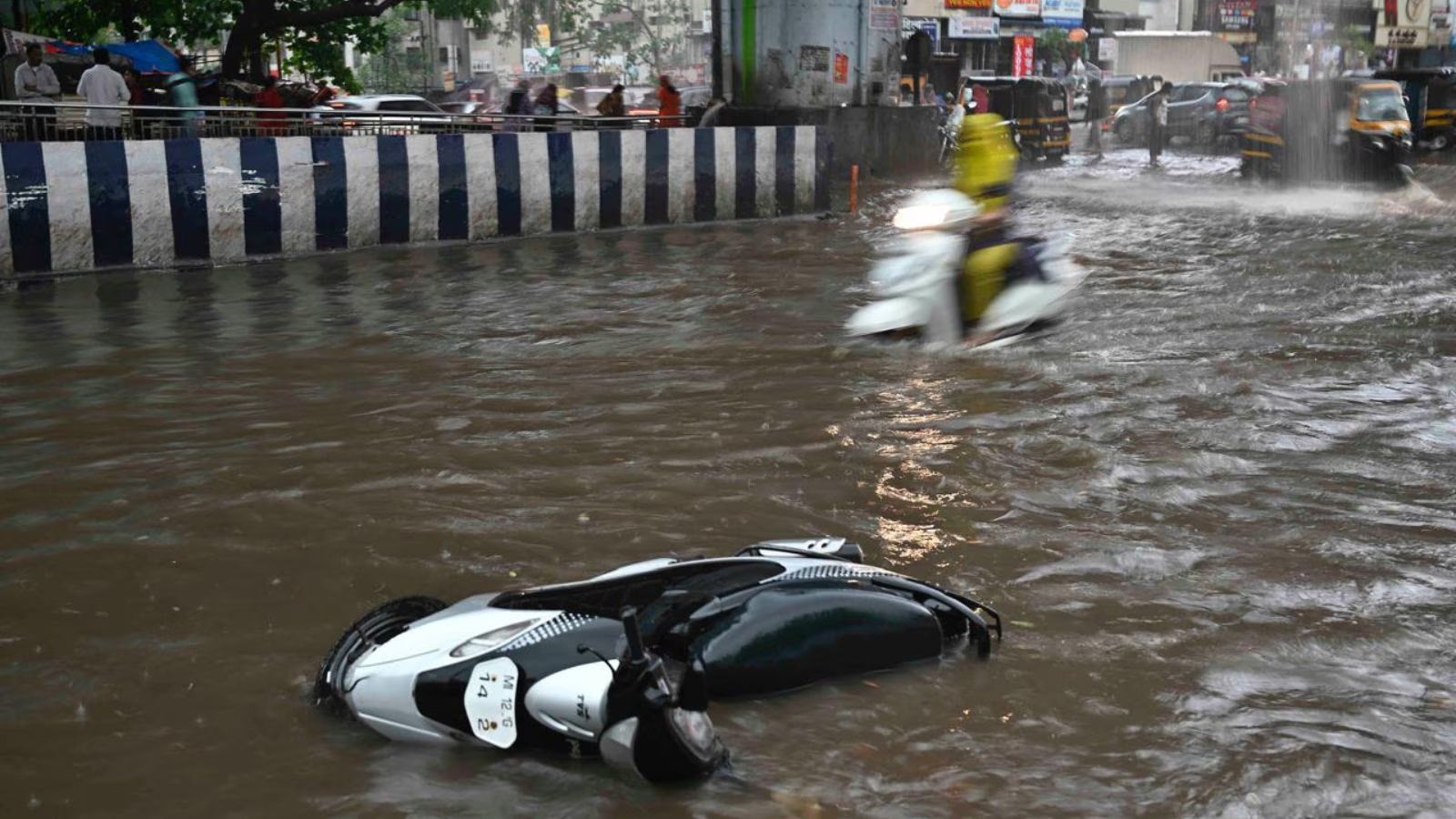
As relentless rain triggers dam discharges and urban flooding, authorities scramble to move thousands to safety across the industrial belt.
The rhythm of life in Pimpri-Chinchwad has been upended since Sunday. What started as a seasonal downpour quickly intensified into a crisis, as the Khadakwasla Dam hit full capacity, forcing a controlled release of water that has sent levels surging in local rivers. By Monday, the scene across the city was one of urgency; municipal teams were seen navigating waterlogged streets in areas like Gawade Colony and Defence Colony, deploying JCBs and pumps to drain the relentless ingress of water.
For over 1,100 residents, the last 48 hours have been a blur of evacuation. The Pimpri-Chinchwad Municipal Corporation (PCMC) has been working around the clock to relocate citizens from vulnerable riverside pockets like Ambedkar Colony, Bhatnagar, and the River Road area. While temporary shelters have been set up at the Morya Gosavi Temple and local ashrams, the situation remains fluid. Officials in Fugewadi and Kasarwadi are also managing active relocation efforts as the water refuses to recede.
Life under a Red Alert
The strain on city infrastructure is palpable. While the focus remains on immediate safety, the ripple effects of this weather system are being felt across the region. With Pune on high alert and the Army stepping in to assist in severe areas, the scale of the emergency has stretched local resources thin. Municipal Commissioner Vijay Suryavanshi has been clear in his messaging: stay home, avoid the riverbanks, and rely only on official instructions rather than the swirl of panic and rumors currently dominating social media.
This is not just a localized flood; it is part of a wider weather pattern battering parts of the state, disrupting transport links and turning residential neighborhoods into aquatic landscapes. Even the vital connectivity corridors have seen the impact, with commuters closely tracking updates on the Mumbai Pune expressway news to see if the arterial route remains viable amid the debris and waterlogging that typically follows such intense precipitation.
The Bigger Picture
Why does a city like Pimpri-Chinchwad, despite its robust industrial planning, find itself battling these scenes every monsoon? The recurring vulnerability of low-lying settlements near riverbeds suggests a collision between rapid urban expansion and the natural geography of the region. As concrete cover increases, the soil’s ability to absorb record-breaking rainfall diminishes, leaving the municipal corporation to play a constant game of catch-up during peak monsoon weeks.
Moving forward, the challenge for city planners will be to move beyond reactive emergency management. While the current deployment of teams to handle tree falls and water extraction is vital, the long-term resilience of these areas depends on better drainage integration and a shift in how the city manages its riverfronts. For now, the priority remains the safety of every citizen currently displaced from their home, waiting for the skies to clear.
Kabir Sharma writes on culture, technology and everyday life for PoliticalPedia.