Record surge: China fuels India’s frozen shrimp exports to all-time high
China emerges as key growth driver for India's frozen shrimp exports; US remains top market in FY26
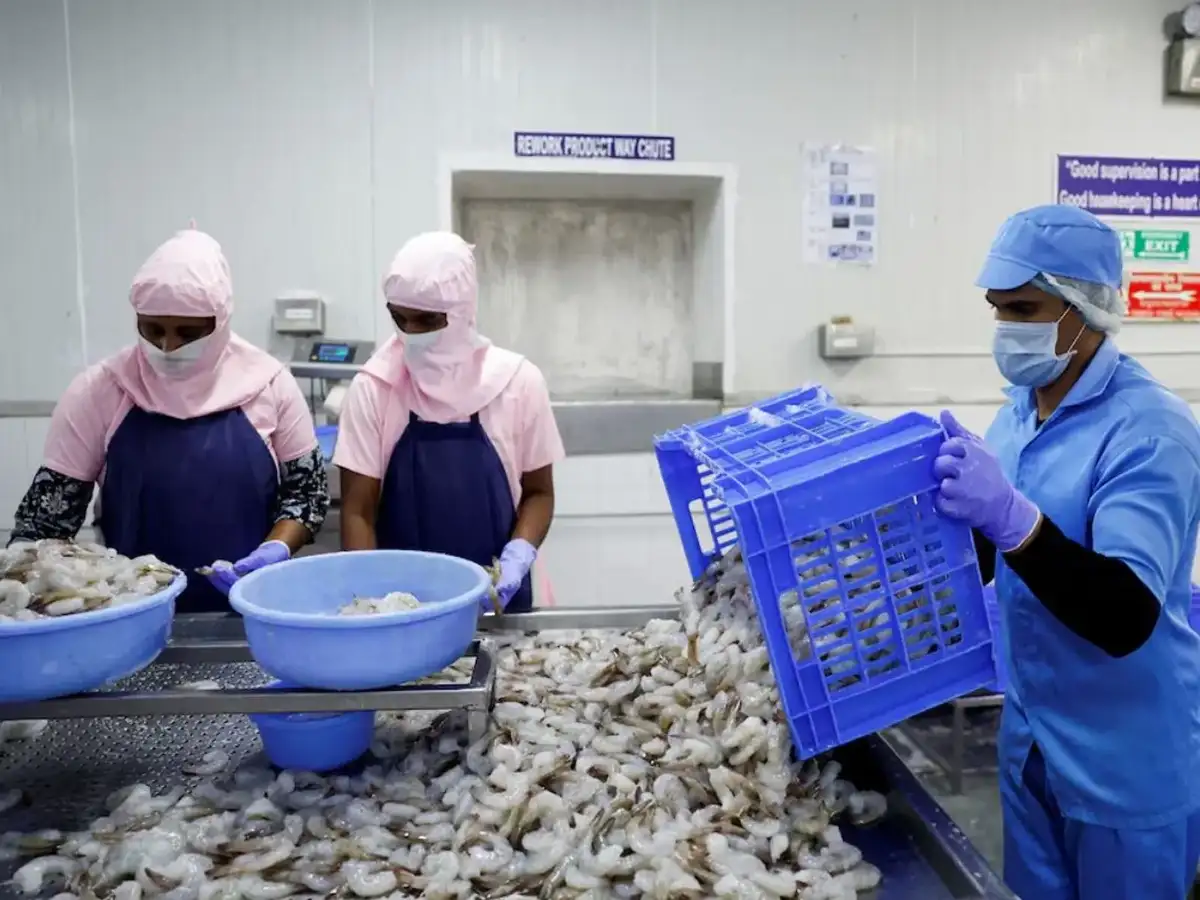
As the US remains the largest buyer, burgeoning demand from China is reshaping the export landscape for India’s marine sector in FY 2025-26.
The docks at Visakhapatnam have been buzzing with activity lately, and for good reason. India’s marine export sector has hit a historic milestone, clocking an all-time high in frozen shrimp shipments during FY 2025-26. Despite a volatile global trade environment, the industry managed to push total seafood exports to a staggering USD 8.46 billion, equivalent to Rs 73,890.46 crore, across a total volume of 19,72,018 metric tonnes.
While the United States continues to be the bedrock of this trade, importing USD 1.61 billion worth of frozen shrimp, the real story lies in the shifting dynamics of the East. China has rapidly emerged as a vital growth engine for the Indian industry, with exports to the country surging to USD 941.6 million. This diversification in destination markets is providing a much-needed buffer for Indian exporters who have previously navigated turbulent waters, including periodic shifts in US tariff regimes.
Strengthening the supply chain
Recognizing the sector's potential, the Ministry of Commerce and Industry is moving beyond just shipping raw volumes. Earlier this month, a two-day ‘Chintan Shivir’ in Visakhapatnam brought together state governments, exporters, and industry stakeholders to draft a roadmap for the future. The conversation is no longer just about catching more; it is about climbing the value chain.
The government, working in tandem with the Marine Products Export Development Authority (MPEDA), is doubling down on quality standards and infrastructure. The strategy is clear: transition from being a bulk commodity supplier to a provider of high-value seafood products. By tightening quality control and expanding export infrastructure, the Centre aims to make Indian marine products more resilient against international price fluctuations.
The bigger picture: Why it matters
This data signals a maturing of India’s export strategy. For years, the industry was heavily reliant on Western markets, leaving it vulnerable to policy shifts in Washington. By cultivating China as a high-demand market, India is effectively hedging its risks.
However, the challenge ahead is one of sustainability and value addition. If India can successfully pivot toward higher-margin, value-added products rather than relying solely on frozen shrimp, it could significantly boost the unit value of its exports. The current success is impressive, but the long-term test for the seafood industry will be its ability to maintain these volume gains while simultaneously upgrading its processing capabilities to meet the stringent quality demands of global premium markets.
Rohan Gupta covers the economy, markets and companies for PoliticalPedia.