'Que sera, sera': Manish Tewari’s cryptic exit from the Punjab Cong spotlight
'Que sera, sera': Overlooked in Punjab Cong revamp, Manish Tewari posts cryptic message
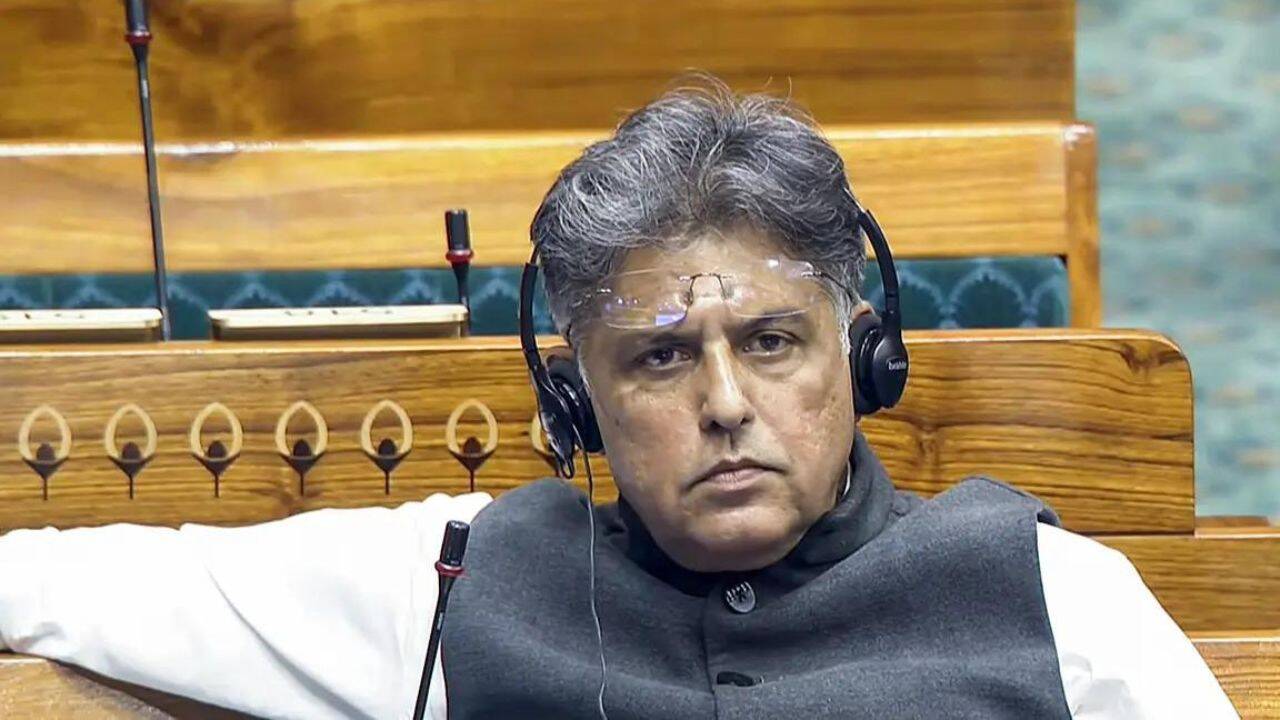
The veteran leader’s public lament over institutional insecurity signals deeper friction within the party as the Punjab assembly election machinery shifts into gear.
The corridors of power in Delhi are often echoing with whispers, but rarely with such blunt, public frustration. When the All India Congress Committee (AICC) unveiled its fresh lineup for the upcoming 2027 Punjab assembly elections this week, the absence of senior leader Manish Tewari from the key poll panels was loud enough to break the silence. The oversight hasn't gone unnoticed by the man himself, who took to social media to signal his discontent with the party's current direction.
Tewari, a seasoned voice in the Congress, did not mince words. In a pointed post, he mused about whether possessing actual talent or skill is now a "flaw" within the organization, openly lamenting the "insecurities of individuals and institutions." It is a classic sign of internal friction—a veteran who has spent 45 years with the party finding himself sidelined just as the state unit begins its critical restructuring.
The mood in the ranks
The reaction from the MP was not just a jab at the high command’s choices; it was a philosophical shrug. By invoking the classic phrase "Que sera, sera"—whatever will be, will be—Tewari signaled a detachment that is often the precursor to a quiet exit or a shift in political loyalty. While he acknowledged the decades of service he has poured into the Congress, the bitterness regarding the recent Punjab Cong appointments suggests that the "revamp" might have unintentionally alienated one of its most articulate defenders in Parliament.
For the party, this creates a tricky optics problem. As the Congress looks to regain its footing in the state, the public airing of grievances by a leader of Tewari’s stature threatens to overshadow the new chairpersons and co-chairpersons tasked with leading the charge.
Why it matters
The bigger picture here is about the delicate balance between generational shifts and institutional memory. When a party attempts a systemic overhaul to pivot toward new leadership, it often risks discarding the very veterans who provide stability. Tewari’s outburst isn't just about a missed committee seat; it reflects a broader anxiety among senior leaders who feel that meritocracy is being sacrificed at the altar of factional management or perceived loyalty.
If the Congress intends to be a serious contender in the Punjab elections, it cannot afford to turn its seasoned hands into disgruntled outsiders. This episode serves as a case study in how internal restructuring—if handled without sensitivity—can lead to public fissures that voters are quick to pick up on. For now, the leadership has a choice: engage with the dissent or risk losing a veteran voice in the heat of the upcoming cycle.
Rohan Gupta covers the economy, markets and companies for PoliticalPedia.