Quality Control Breach: HAL Flags Forged Test Reports in Tejas Supply Chain
Tejas Fighter Jet Supply Chain Under Scanner, HAL Flags Forged Test Reports
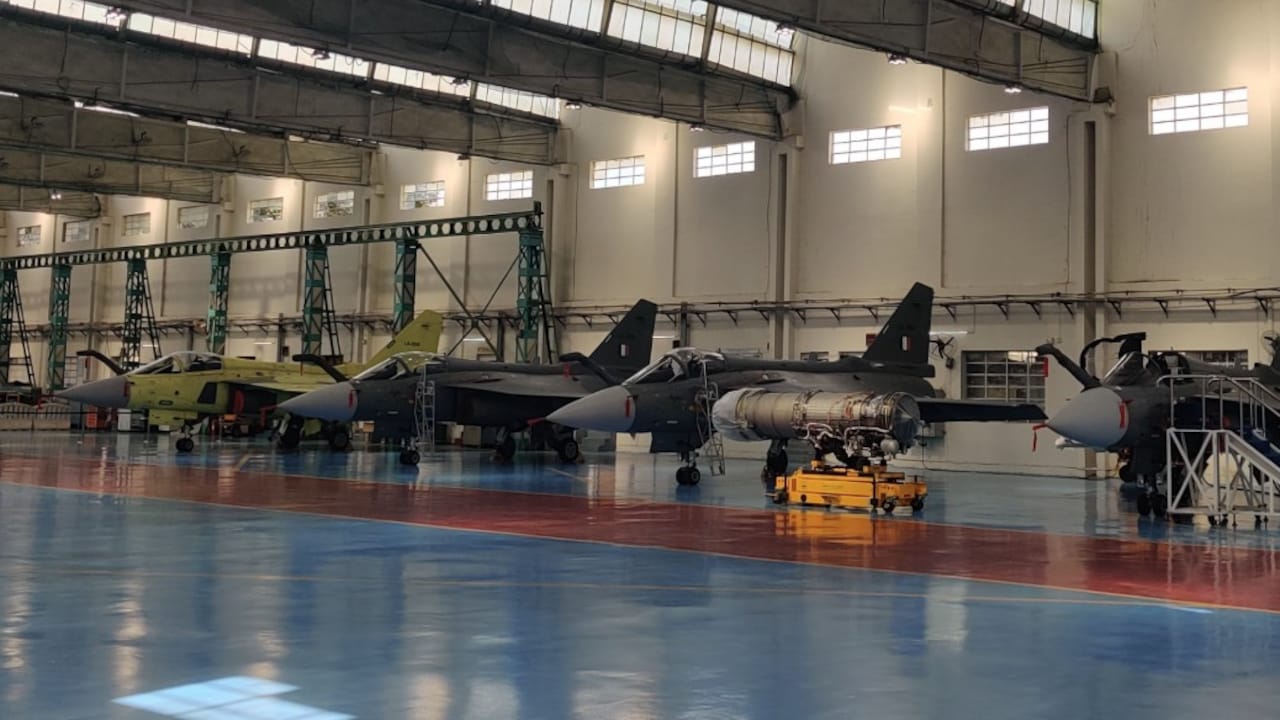
The state-owned aerospace giant has launched an investigation into the supply chain of the Tejas fighter jet after discovering falsified compliance documentation.
The pride of India’s indigenous defense manufacturing, the Tejas fighter jet, is currently facing a critical internal audit. Hindustan Aeronautics Limited (HAL) has officially flagged instances of forged test reports originating from within its supply chain, raising immediate questions about the rigor of quality control protocols for the country’s frontline combat aircraft.
For a program that is the cornerstone of the "Make in India" defense initiative, the discovery that documentation for critical components may have been compromised is a significant blow. HAL’s move to bring the tejas fighter jet supply chain under scanner suggests the company is moving proactively to isolate potential defects before they manifest in flight-ready hardware. The move comes as HAL flags forged test reports, forcing a top-to-bottom review of how third-party vendors certify the parts that keep these jets airborne.
Why it matters
The broader implications here extend well beyond a mere clerical error. In the defense sector, the integrity of a supply chain is as important as the design of the aircraft itself. Every nut, bolt, and sensor in the एचएएल तेजस must meet stringent military-grade specifications. When a supplier submits forged documentation, it effectively bypasses the safety nets built into the procurement process, creating a "blind spot" that could compromise operational readiness or, in a worst-case scenario, pilot safety.
This incident highlights the growing pains of a domestic defense ecosystem that is rapidly scaling up. As India pushes to reduce its reliance on foreign imports, the pressure on local vendors to ramp up production—often on tight timelines—can sometimes create an environment where corners are cut. The challenge for HAL now is to balance the need for accelerated production with the non-negotiable requirement for absolute transparency in material testing.
The road ahead
Regulators and defense analysts will be watching closely to see how HAL remediates this. A full-scale audit of all current vendors is likely on the cards, which could momentarily delay some supply schedules. However, this level of scrutiny is essential. If the defense establishment wants to export the Tejas—a key goal for the government—it must demonstrate that its indigenous supply chain is not just capable, but unimpeachable. The current investigation is a test of whether HAL can enforce the highest standards of accountability in a sector where there is zero margin for error.
Rohan Gupta covers the economy, markets and companies for PoliticalPedia.