Pralhad Joshi Launches Green Hydrogen Certification Portal to Fast-Track India’s Energy Transition
Union minister Joshi launches green hydrogen certification portal, urges states to boost mission
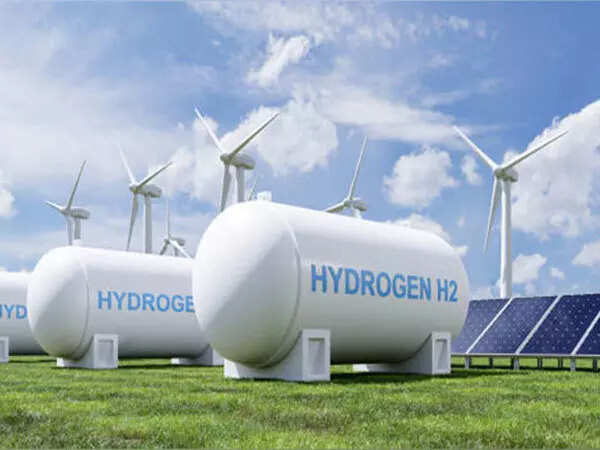
The new digital platform brings much-needed regulatory clarity to India's ambitious green hydrogen sector as the government pushes for greater state-level participation.
New Delhi: The race to establish India as a global hub for clean energy hit a significant milestone this week as Union Minister for New and Renewable Energy Pralhad Joshi unveiled the Green Hydrogen Certification portal. Launched during a national workshop focused on strengthening the country’s infrastructure, the portal serves as a digital bridge between policy intent and industrial execution. By providing a streamlined framework for regulatory compliance, the government aims to give domestic producers the transparency and credibility needed to compete in international markets.
The initiative is a cornerstone of the National Green Hydrogen Mission, which seeks to reduce the country’s reliance on fossil fuels by incentivizing the production of green ammonia and green methanol. Minister Joshi underscored that the regulatory environment is maturing quickly, with standardized norms for these fuels already in place. This move is designed to reassure investors that India is building a stable, rules-based ecosystem for what many see as the future of industrial fuel.
Scaling Domestic Manufacturing
A key hurdle for the green hydrogen economy has been the heavy reliance on imported electrolysers. To address this, the ministry has already awarded financial incentives to 15 companies, catalyzing the establishment of 3,000 MW per annum of indigenous manufacturing capacity. Beyond hardware, the government is pouring resources into the ground: Rs 84 crore has been sanctioned for pilot projects in the steel sector to test 100 percent hydrogen injection, while nearly Rs 208 crore is earmarked for hydrogen-fuelled vehicles and refuelling infrastructure.
State governments are now being urged to act as the primary engines of this transition. While six states have already notified dedicated policies and four are in the final stages of doing so, seven others have integrated hydrogen mandates into their broader industrial and renewable energy frameworks. The message from New Delhi is clear: the central framework is ready, and it is time for states to build the local hubs that will turn these policies into operational reality.
The Bigger Picture
Why does this matter? For a country historically dependent on energy imports, the pivot to green hydrogen is about more than just decarbonization—it is about economic security. By standardizing certification, the government is essentially creating a "passport" for Indian-made green energy, making it easier for local firms to tap into global supply chains. However, the true test will be the pace at which these large-scale pilot projects transition into commercial viability. If the MSME sector, which the ministry views as the backbone of this supply chain, can effectively leverage these new standards, India’s goal of a self-reliant green hydrogen ecosystem by 2030 will look significantly more attainable.
Rohan Gupta covers the economy, markets and companies for PoliticalPedia.