Powering the Frontier: Siachen Base Camp Set for Grid Connectivity by September
Siachen Base Camp To Get Power Grid For First Time By September: Lt Governor
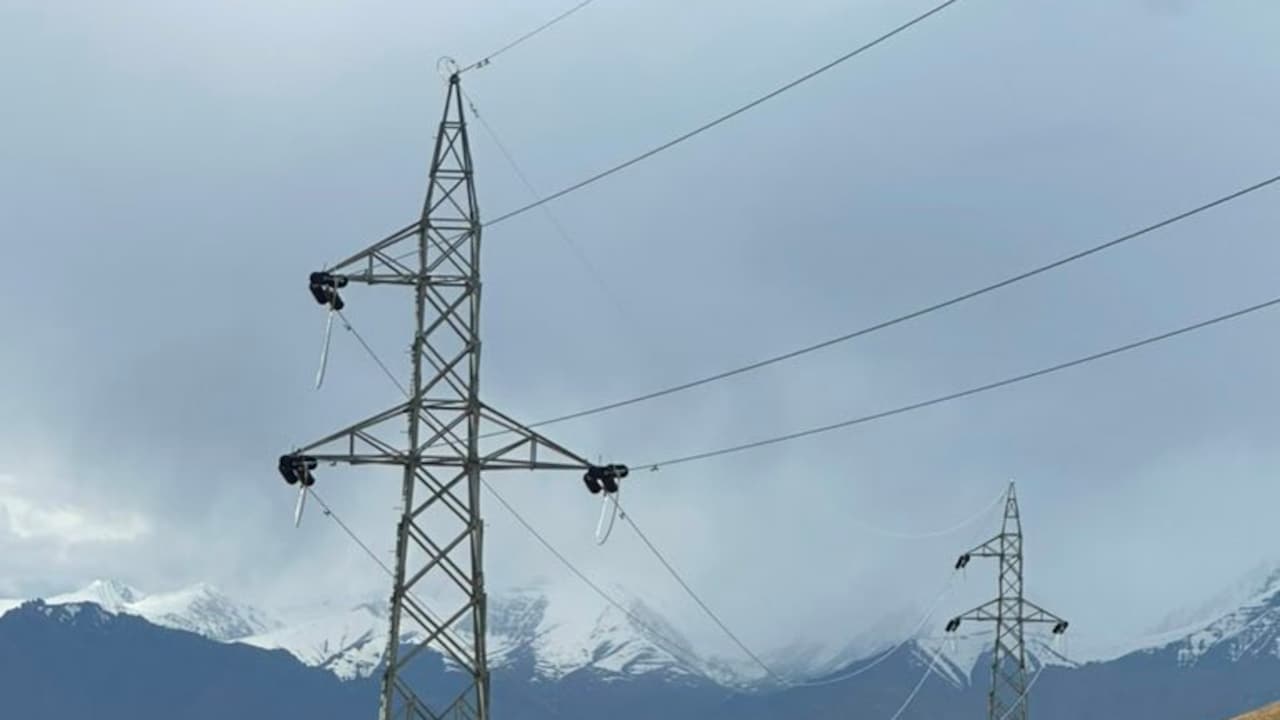
In a significant boost for border infrastructure, the Indian Army’s Siachen Base Camp and other remote Ladakh regions will transition from diesel-reliant power to a 24x7 grid supply by the end of this September.
For decades, the high-altitude silence of the Siachen Glacier’s base camp has been punctuated by the relentless hum of diesel generators. Keeping the world’s highest battlefield operational is a logistical marathon, and powering the facilities has long been one of the toughest parts of that grind. That is set to change. By September 2026, the base camp, along with the strategic valleys of Zanskar and Nubra, will finally be connected to the national power grid for the first time.
The announcement came from the Lieutenant Governor of Ladakh, who confirmed that major power projects in the region are nearing completion. For the troops stationed in these unforgiving, sub-zero terrains, this isn't just about electricity; it’s about a massive reduction in the logistical footprint required to keep the lights on and the heating running during the harsh winter months.
A Strategic Shift in Ladakh
The move to bring the Siachen base camp to the power grid for the first time by September is part of a broader, aggressive push to modernize infrastructure across the Union Territory. While the rest of the country often takes grid connectivity for granted, in the rugged, mountainous landscape of Ladakh, the arrival of stable electricity is a game-changer for both civilian residents and military logistics.
Local officials have indicated that these projects are being fast-tracked to ensure completion before the onset of the next winter. Currently, the reliance on fossil fuels for power generation in these remote sectors adds a layer of operational vulnerability. Transitioning to grid power promises a more consistent energy flow, significantly lowering the environmental impact and the financial burden of transporting fuel across treacherous mountain passes.
Why It Matters: The Bigger Picture
This infrastructure push is symptomatic of a larger shift in how India manages its border regions. Beyond the immediate relief of 24x7 power for the soldiers at the Siachen base camp, this development serves as an anchor for civilian growth in Nubra and Zanskar. When you bring a stable power grid to a frontier, you aren't just powering barracks; you are creating the baseline infrastructure necessary for satellite towns and local economies to thrive in previously inaccessible areas.
Securing the border is no longer just about troop presence; it is increasingly defined by how effectively the state can integrate these remote pockets into the national mainstream. By September, when the grid finally switches on, it will mark the end of an era of isolation for these high-altitude outposts. It is a quiet, yet profound, consolidation of logistics that makes the "hard" power of the military far more sustainable in the long run.
Arjun Mehta reports on government, policy and Parliament for PoliticalPedia, in English and Hindi.