PoK Unrest: Mass Protests Erupt Against Pakistan Amid Curbs and Security Crackdown Tensions
POK Unrest: Mass Protests Erupt Against Pakistan Amid Curbs, Security Crackdown Tensions
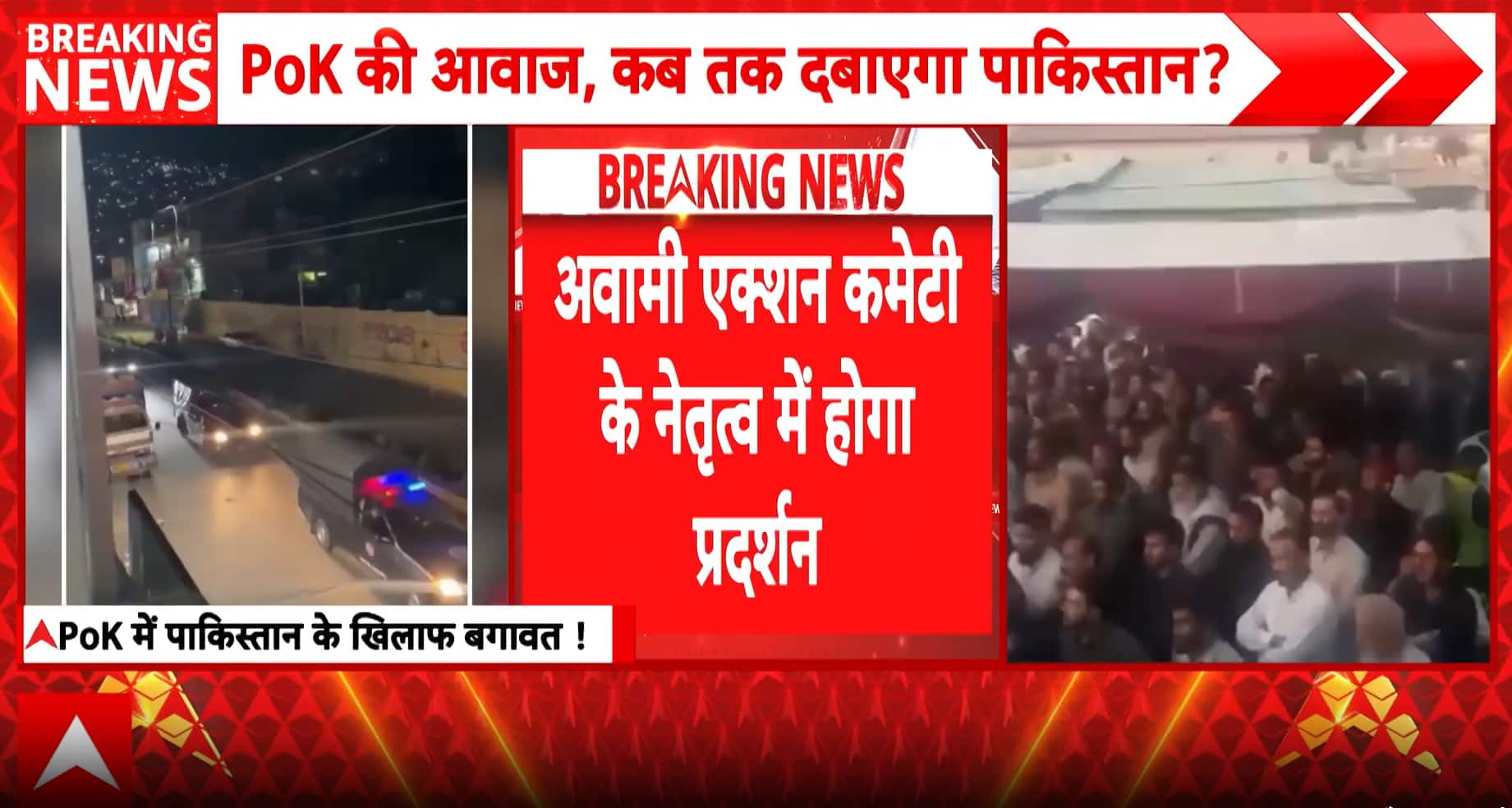
As the Shehbaz Sharif government grapples with mounting public anger, the region sees internet blackouts and military deployments to contain widespread civil disobedience.
The streets of Pakistan-occupied Kashmir (PoK) are currently the site of a volatile confrontation. Thousands of residents have taken to the march, signaling a fierce rebellion against the current administrative machinery in Islamabad. The trigger for this surge in public defiance is a volatile cocktail of economic desperation—marked by skyrocketing inflation and utility costs—and a long-simmering resentment over the lack of political agency and governance reforms.
A Region Under Lockdown
The administration’s response to these demonstrations has been characteristically heavy-handed. Ahead of planned protest actions, including a reported June 9 shutdown, the authorities have moved to sever mobile internet services, effectively isolating the region from the digital world. Security forces have flooded sensitive districts, establishing checkpoints and ramping up surveillance to throttle the movement before it gains further momentum. Reports of security personnel opening fire on demonstrators highlight how quickly these security crackdown tensions can spiral into violence.
Governance and Economic Despair
At the heart of the movement are local activist platforms demanding a fundamental reset of how the region is governed. Protesters are not merely asking for relief from the crushing cost of essential commodities; they are calling for accountability and genuine political representation. The narrative from the ground is clear: the residents feel that their economic hardships are being compounded by an indifferent administration that prefers administrative curbs over meaningful dialogue.
Why it Matters
This unrest represents more than a local law-and-order challenge for the Shehbaz Sharif government; it is an indicator of the fragile stability within the region. For Islamabad, the challenge is twofold: managing an economy struggling with inflation while simultaneously containing a restive population that no longer fears the conventional tools of state intimidation. If the protests continue to expand, the political cost for the central government could be significant, potentially forcing a choice between deeper systemic reforms or further isolating a region that is already at a breaking point.
The coming days will be critical. Whether the authorities opt to negotiate with local leaders or double down on their current policy of repression will define the next phase of this uprising. For now, the region remains a pressure cooker, with the volatile intersection of economic distress and political disenfranchisement keeping the situation on a knife’s edge.
Rohan Gupta covers the economy, markets and companies for PoliticalPedia.