Parama Ekadashi 2026: The Significance of the Auspicious Purushottam Month Fast
Parama Ekadashi 2026: आज रखा जाएगा परमा एकादशी का व्रत, यहां पढ़ें पूजा विधि और एकादशी की कथा
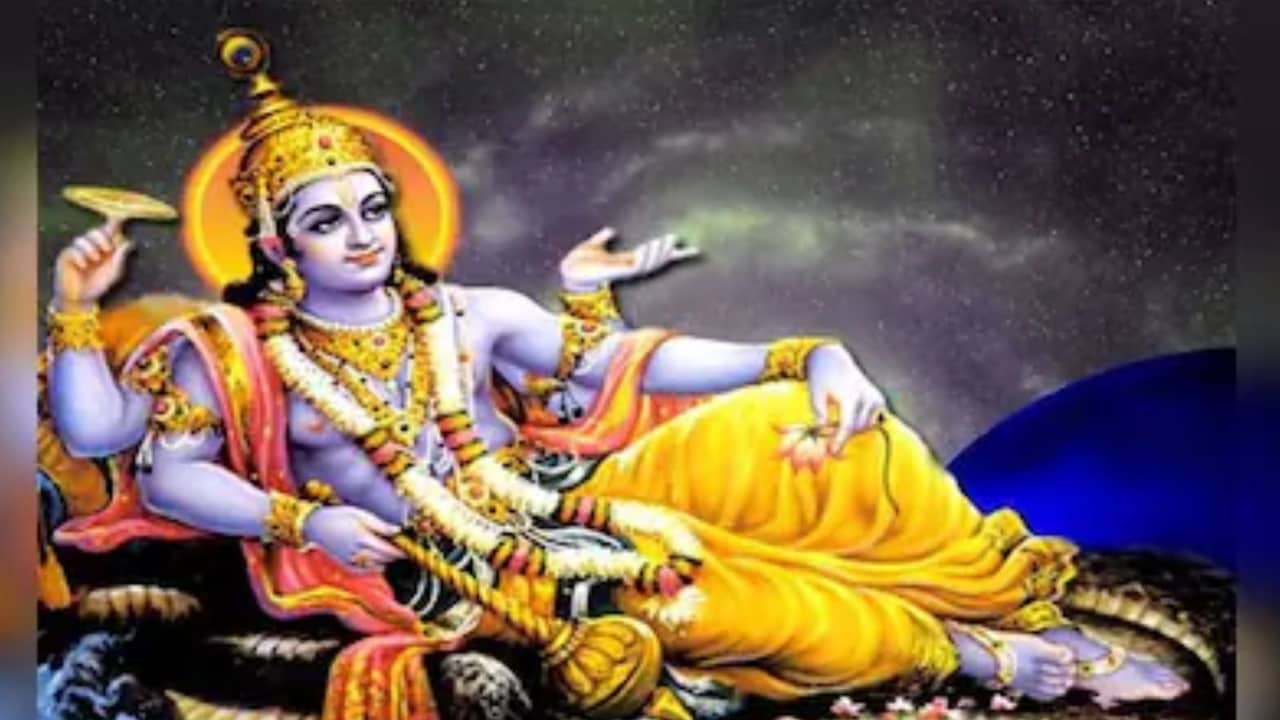
As devotees observe the rare Parama Ekadashi, we look at the rituals, the spiritual legacy of the vrat, and why this specific day holds a unique place in the Hindu lunar calendar.
The air across households in India is thick with the scent of incense today as families mark Parama Ekadashi. Unlike the standard monthly Ekadashis, this day holds a special distinction in the Vedic calendar, falling during the Adhik Maas or Purushottam Maas—the intercalary month that balances the lunar and solar years. For the faithful, this is a day for deep introspection, fasting, and seeking divine grace through the traditional parama ekadashi vrat katha.
Observing the Vrat: Rituals and Traditions
The observance of parama ekadashi begins at the break of dawn. Devotees typically maintain a strict fast, often avoiding grains and legumes, to focus on spiritual cleansing. The day is dedicated to the worship of Lord Vishnu, who is believed to grant immense blessings to those who listen to the sacred stories associated with this day.
The vrat involves a disciplined routine: early morning prayers, the offering of fruits and flowers to the deity, and the recitation of the katha. Many practitioners spend the day chanting mantras, believing that the merit earned during this extra month is manifold compared to other lunar cycles. The ritual culminates with the breaking of the fast on the following day, known as Dwadashi, during a specific auspicious window or parana time.
Why it Matters: The Bigger Picture
From a cultural perspective, the observance of an extra-month Ekadashi highlights the sophistication of the ancient Indian time-keeping system. While modern schedules are dictated by the Gregorian calendar, the persistence of the Adhik Maas traditions shows a society that remains deeply anchored in astronomical and spiritual cycles.
In a fast-moving world, these days of pause offer a rhythmic break, grounding urban life in ancient heritage. When we look at the broader landscape of Indian traditions, the continued relevance of such specific dates—often tracked via digital portals like ndtv or similar platforms—reflects how technology is being used to preserve, rather than replace, traditional practices. Even as headlines shift between political shifts in states like Assam or maritime strategic projects, the cultural heartbeat of the nation continues to sync with these lunar milestones.
Connecting with the Roots
For those participating, the key is the discipline of the mind. Whether you are following the guidance found in reports on home-khabar or observing family traditions passed down through generations, the essence remains the same: self-restraint and devotion. As digital records replace oral transmissions, the availability of the katha online ensures that the narrative remains accessible to a new generation, bridging the gap between ancient texts and modern screens.
Ananya Iyer covers global affairs with an Indian lens for PoliticalPedia.