Operation Sanitise: How the IAF and Paramilitary Forces Are Policing the NEET-UG Re-exam
NEET-UG 2026 re-exam to be held under tight security: Why CRPF and CISF personnel are being deployed to guard question papers
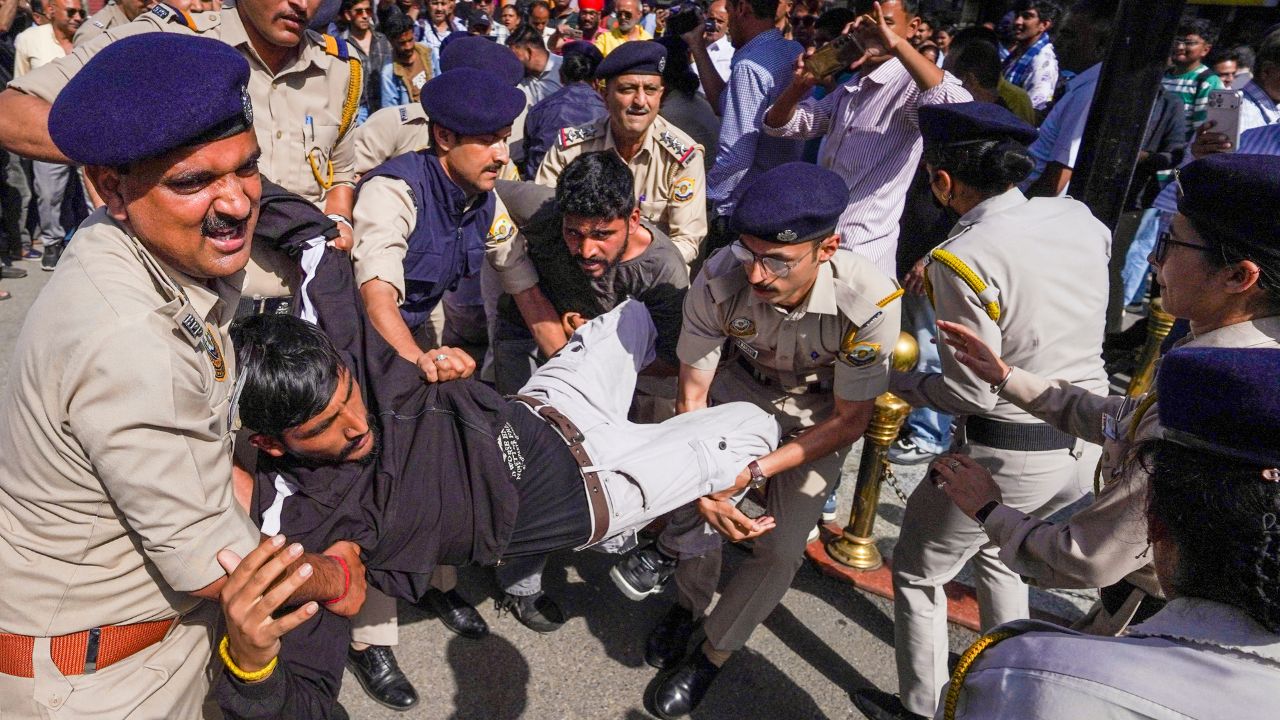
With the June 21 NEET re-exam looming, the government is pulling out all the stops—deploying the Air Force and central paramilitary units to secure the sanctity of the medical entrance process.
The atmosphere for thousands of aspiring doctors across India is thick with anxiety, and for good reason. Following a wave of administrative lapses and allegations of paper leaks, the National Testing Agency (NTA) is bracing for the NEET-UG re-exam on June 21. This isn't just another test day; it is a high-stakes logistical operation designed to restore a crumbling sense of public trust in the राष्ट्रीय पात्रता व प्रवेश परीक्षा.
A Multi-Layered Fortress
To prevent history from repeating itself, the Centre has adopted a “whole-of-government” strategy. The most striking move is the involvement of the Indian Air Force (IAF), which will transport sensitive question papers to negate the risks posed by unpredictable June weather and standard logistical vulnerabilities. Once these papers touch down, they won't be left to chance. A two-tier security blanket, manned by the Central Reserve Police Force (CRPF) and the Central Industrial Security Force (CISF), will guard the papers and the centres.
The secrecy goes beyond transport. Reports indicate that paper setters have been placed in an absolute, enforced lockdown. Until the clock runs out on June 21, these individuals are cut off from the outside world—no phones, no laptops, and no internet access. The government’s determination to make this neet re-exam “leak-proof” is evident in every layer of this restrictive, military-style deployment.
The Battle Against Disinformation
Even as the authorities lock down the physical security, a digital war is raging. Just days out from the examination, social media has been flooded with fresh claims of leaked papers. The NTA has been quick to dismiss these as “false and fraudulent,” categorising them as the work of organised rackets looking to exploit student panic for financial gain. While the agency urges students to ignore these viral rumours, the recurring nature of these scares highlights the deep-seated psychological toll the entire episode has taken on candidates.
Why it matters
The deployment of the CRPF, CISF, and the IAF is an unprecedented escalation in how India conducts academic testing. It signals a shift where competitive exams are no longer treated as routine administrative tasks, but as matters of national security. While this show of force is necessary to restore credibility, it also serves as a sobering reflection of the systemic rot that has necessitated such extreme measures. If a simple entrance exam requires the muscle of the defence forces to remain fair, the challenge moving forward isn't just about securing papers—it’s about fixing the institutional rot that made this intervention necessary in the first place.
Ananya Iyer covers global affairs with an Indian lens for PoliticalPedia.