One Year of Air India Crash: Questions and Grief Remain for Victim Families
One Year Of Air India Crash: Questions And Grief Remain For Victim Families
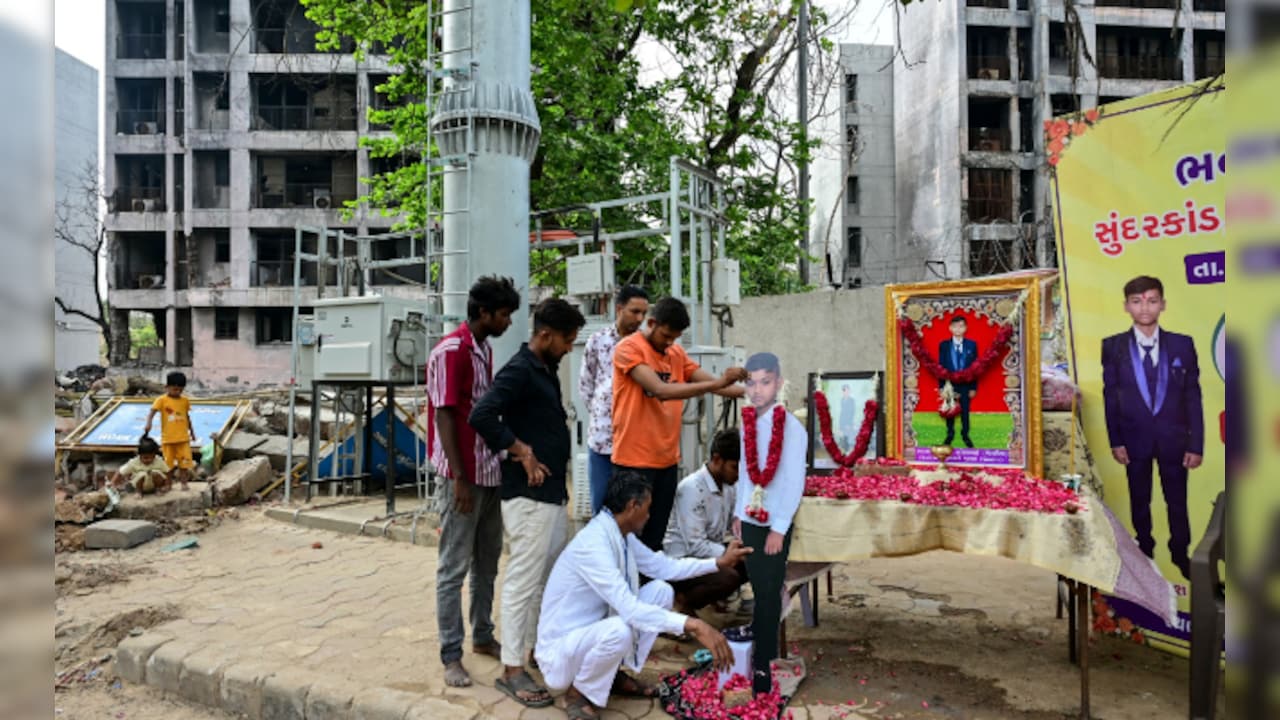
Twelve months after the tragedy of flight AI 171 in Ahmedabad, families are still searching for the truth behind the disaster that shattered their lives.
The silence in the homes of those who perished in the Ahmedabad air India crash is, for many, louder than the roar of the engines that failed a year ago. Today marks one year of the air India crash, and while the physical debris has long been cleared from the site, the emotional wreckage remains scattered across the lives of the survivors. For the victim families, the anniversary isn't a milestone of healing; it is a painful reminder that the questions that haunted them on day one remain largely unanswered.
The Struggle for Answers
Across the country, families are not just mourning; they are agitating. Reports from across the press highlight a collective frustration: the preliminary investigation reports have offered little comfort, leaving many to wonder if the tragedy was fundamentally avoidable. Whether it is a grieving mother in Ahmedabad or a family in Mumbai waiting for closure, the demand is consistent. They are seeking the truth, not just compensation, and the persistent lack of transparency from authorities has only deepened the divide between the state and the bereaved.
The trauma extends far beyond those who lost loved ones on the flight. First responders and those involved in the harrowing recovery operation continue to battle vivid, scarring memories. Forensic experts have spoken of images—such as a severed hand with fingers still curled in a gesture of pleading—that remain seared into their minds a year later. It is a stark reminder that the "heavy toll of flight AI 171" is an ongoing weight, affecting a wider circle than the passenger manifest suggests.
Why it Matters
The aftermath of this crash points to a systemic fragility in how we handle air disasters. When institutional reporting fails to satisfy the human need for accountability, public trust in aviation safety mechanisms erodes. The pattern here—where families come together, demanding clarity against a backdrop of bureaucratic silence—is a recurring tragedy in Indian infrastructure failures. If the final investigation does not address the "why" with absolute transparency, the precedent it sets will continue to alienate families who look to the skies with fear rather than trust.
The coming months will likely see increased pressure on regulatory bodies to provide the final, unvarnished report. Until then, the families remain in a state of suspended grief. They are not merely waiting for a document; they are waiting for an acknowledgment of the void left in their lives. As the headlines across the media landscape suggest, the dust may have settled on the ground in Ahmedabad, but the search for justice is far from over.
Priya Nair covers parties, elections and the business of power for PoliticalPedia.