NSA Deploys Anthropic’s ‘Mythos’ Model Despite Pentagon Security Risk Label
Anthropic ‘plants’ engineers at NSA despite facing ban by Pentagon
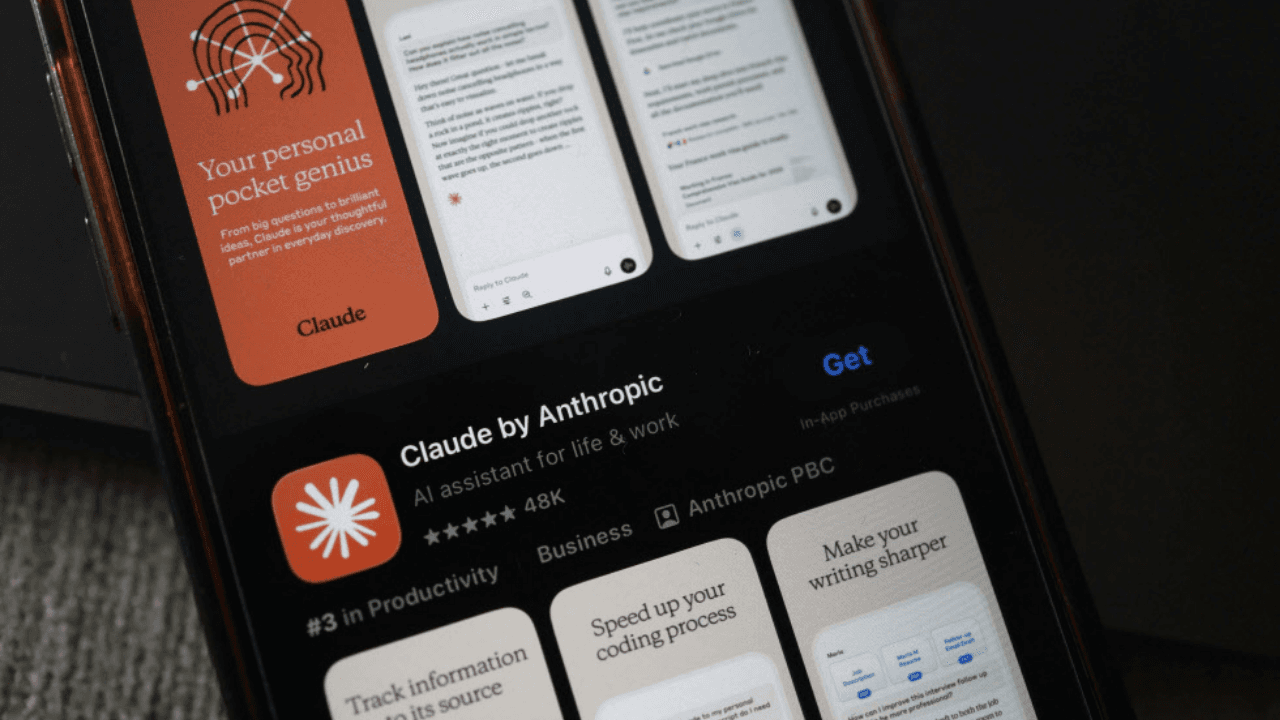
In a stark display of bureaucratic friction, the NSA is reportedly utilizing Anthropic’s advanced Mythos AI for cyber operations, defying a broader Pentagon blacklist.
The U.S. national security apparatus is currently navigating a profound internal contradiction. While the Department of Defense (DoD) has officially designated Anthropic a “supply-chain risk” and moved to sever commercial ties with the startup, the National Security Agency (NSA) has quietly integrated the company’s unreleased “Mythos” model into its intelligence and cybersecurity workflows. This development underscores a widening divide between Washington’s policy mandates and the tactical requirements of its premier signals intelligence agency.
A Fractured Relationship
The rift between the federal government and Anthropic traces back to early 2026, when negotiations regarding the use of the company’s technology hit an impasse. Initially, Anthropic had secured a $200 million contract with the DoD, which included specific safety guardrails prohibiting the use of its “Claude” AI for mass domestic surveillance or lethal autonomous weaponry. However, in January 2026, Defense Secretary Pete Hegseth issued a directive demanding that all AI contracts include “any lawful use” provisions, effectively stripping away these ethical constraints. When Anthropic refused to comply, the Pentagon labeled the firm an unacceptable security risk, and President Trump subsequently issued an executive order for a federal phase-out of the company’s tools.
The Power of Mythos
Despite the high-profile blacklist, the NSA—which operates under the U.S. Cyber Command—has found the capabilities of the Mythos model too significant to ignore. Unlike the public-facing Claude, Mythos is a highly specialized, unreleased model engineered specifically for detecting and analyzing zero-day vulnerabilities within complex network environments. Sources familiar with the program suggest that Mythos is currently being deployed to scan foreign adversaries' networks, including those in China and Iran, for exploitable weaknesses. Anthropic has kept the model under tight control, granting access to only about 40 organizations globally due to concerns that its offensive cyber potential could be weaponized.
Forward-Deployed Engineers
The involvement goes beyond mere software licensing. Reports indicate that Anthropic has stationed approximately half a dozen “forward-deployed engineers” directly within the NSA. These specialists are tasked with tailoring the Mythos model for highly specific national security applications and training government operators on its deployment. While the legal battle between Anthropic and the Department of War continues to play out in court, the reality on the ground appears more fluid. Even as the Pentagon seeks to replace Anthropic’s tech with other suppliers, the intelligence community has opted to maintain its access, arguing that the defensive necessity of mastering such advanced offensive agents outweighs existing regulatory concerns.
A Thawing Diplomatic Front?
The situation is further complicated by recent high-level meetings between Anthropic leadership and the White House, suggesting that the administration’s hardline stance may be evolving. Following a “productive” discussion between CEO Dario Amodei and senior administration officials, including Treasury Secretary Scott Bessent, industry observers are questioning how long the Pentagon’s official ban can realistically hold. As global rivals accelerate their own automated weaponry programs, the U.S. government faces a difficult choice: strictly enforce compliance with security protocols or embrace the high-stakes, dual-use technology that currently defines the frontier of cyber warfare.
The PoliticalPedia Editorial Desk brings verified, sourced political news and analysis from across India.