Nothing’s new 4b series bets on design to survive the memory crunch
Nothing debuts new Phone 4b series amid memory shortages
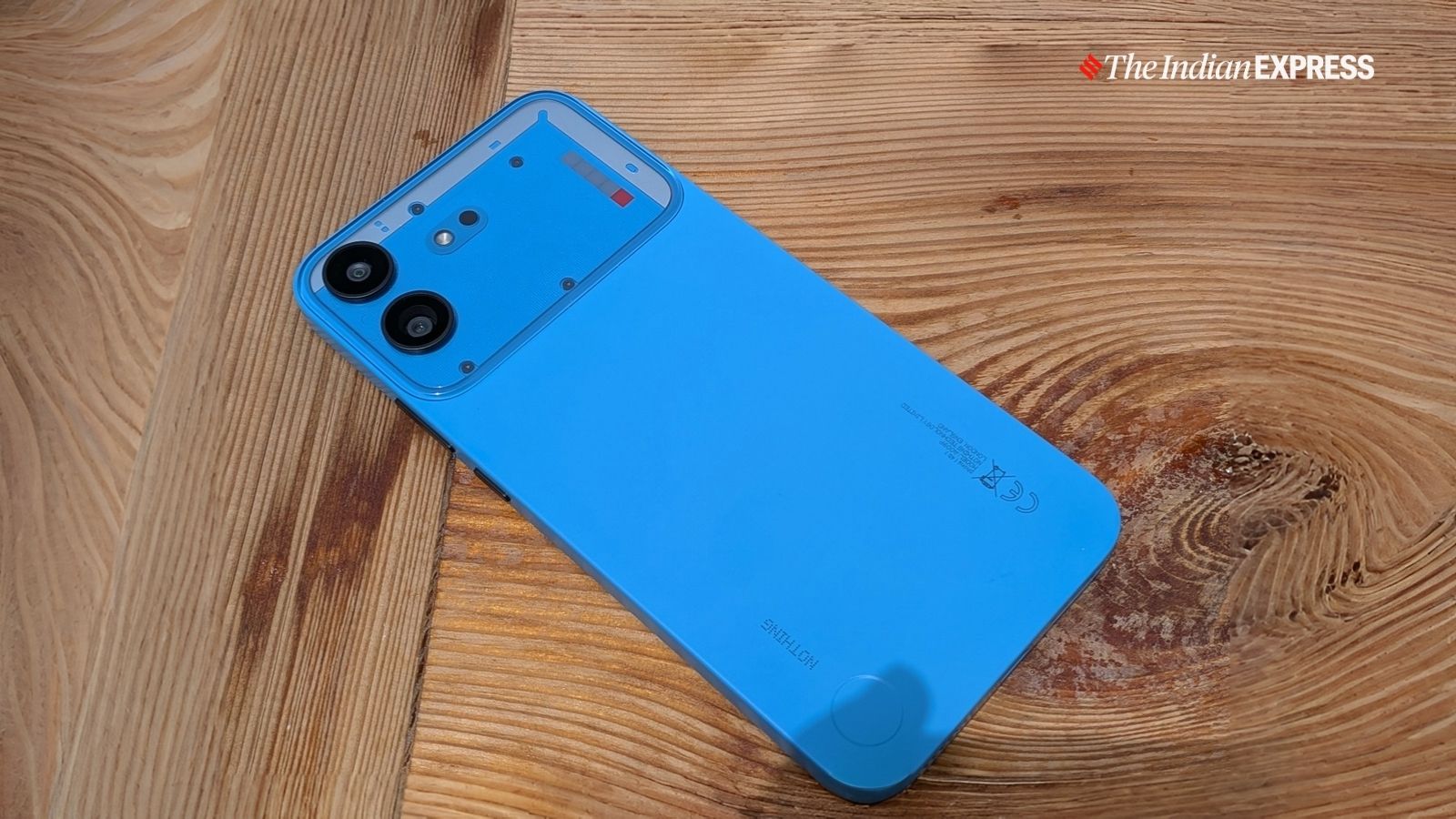
As chip costs climb, the London-based brand is testing a new middle-ground strategy with its latest smartphone launch.
London-based Nothing has officially entered the fray with the new Nothing 4b series, a strategic move aimed at the value-conscious Indian buyer. As the brand’s largest market by share, India serves as the testing ground for this hardware experiment. Priced at Rs 34,999, the device aims to occupy a precarious, newly defined space between entry-level budget phones and premium mid-rangers.
The device retains the company’s signature aesthetic, featuring a semi-transparent finish around the camera island and the iconic Glyph Bar. This time, the interface uses five small square LED lights to handle notifications, charging status, and alerts. While the polycarbonate build signals a shift toward cost-efficiency, the internals—a 6.77-inch AMOLED screen and a 6,000 mAh battery—are geared toward keeping the Nothing phone competitive in a market currently sensitive to pricing shifts.
The memory bottleneck
This launch comes at a time when the broader tech industry is grappling with a severe supply-side crisis. DRAM prices have surged by 80 to 90 per cent in the first six weeks of the year alone. Industry analysts suggest that this is no temporary blip; the massive demand for memory chips to power AI data centres has created a structural shortage. With giants like Nvidia and Google soaking up global supply, manufacturers are finding it increasingly difficult to keep consumer hardware prices stable.
For Nothing, the 4b series is as much an operational stress test as it is a consumer product. By positioning the phone in a hybrid segment, the company is attempting to maintain its market footprint without alienating users who are seeing rising costs across the board for laptops and tablets alike.
Why it matters
The broader trend here is clear: the era of cheap, high-spec hardware is hitting a wall. When component costs spike this aggressively, companies have only two choices: shrink their margins or cut corners on build quality. Nothing’s decision to launch the 4b series indicates a pivot toward "essentialist" design—retaining the visual flair that defines the brand while carefully managing the bill of materials. If this strategy succeeds in India, we can expect other players to follow suit, creating a new "budget-plus" category that prioritizes efficient, functional specs over raw power to navigate the ongoing memory shortage.
Arjun Mehta reports on government, policy and Parliament for PoliticalPedia, in English and Hindi.