New Guard Takes Charge: Indian Armed Forces Execute Major Leadership Reshuffle
Armed forces see major leadership reshuffle as new commanders take charge
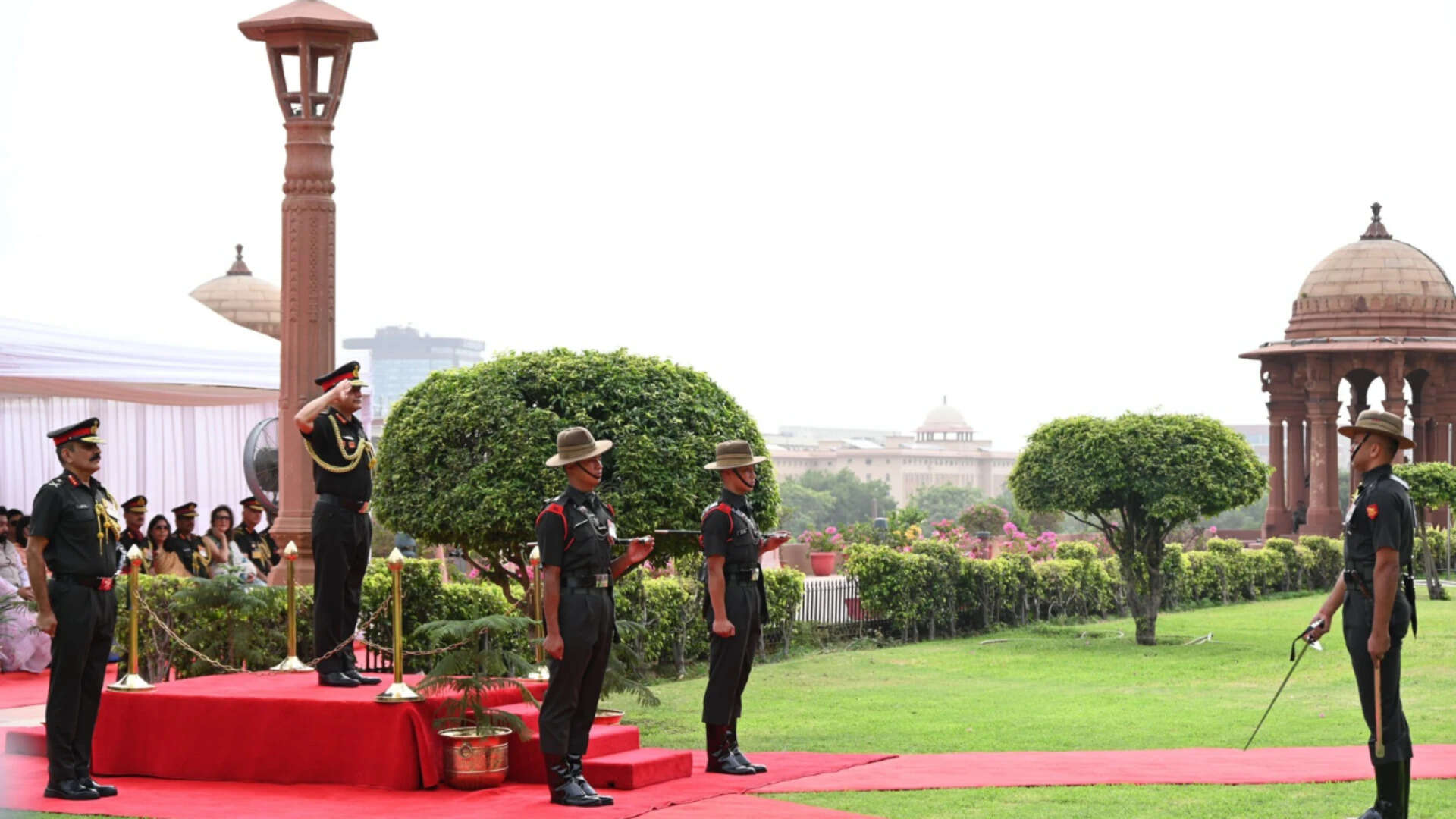
A sweeping change of command across key operational theatres and headquarters signals a fresh strategic outlook for the Indian Army and Air Force.
The corridors of South Block are buzzing with transition this week as the Indian armed forces undergo a significant leadership reshuffle. This isn't merely a routine round of transfers; it marks a structural pivot at the highest echelons of the military establishment. With the recent installation of a new top-tier brass—including General Subramani as Chief of Defence Staff, Admiral Krishna Swaminathan as the Navy Chief, and General Dhiraj Seth stepping into the role of Chief of the Army Staff—the forces are clearly recalibrating for a new operational cycle.
General Dhiraj Seth’s ascension to the top post is the headline move. An Armoured Corps officer with four decades of experience, Seth is well-regarded for his deep understanding of mechanised warfare and operational readiness. His promotion has triggered a domino effect: Lieutenant General Sandeep Jain, formerly the General Officer Commanding-in-Chief of the Southern Command, has been elevated to Vice Chief of Army Staff. This shift effectively reorders the command chain to align with the priorities set by the new Army Chief.
Operational Command Shifts
The reshuffle reaches deep into the field, with critical commands seeing new faces at the helm. Lieutenant General Rajesh Pushkar has moved in to lead the Pune-based Southern Command, while Lieutenant General Mohit Malhotra takes charge of the Jaipur-based South Western Command. These are high-stakes positions; both commands are vital to the country’s defensive posture and rapid-response capabilities along the western borders.
Perhaps most notable is the appointment of Lieutenant General Madanraj Pande to the 14 Corps. Based in Leh, the "Fire and Fury Corps" is arguably the most sensitive assignment in the Indian Army, overseeing the volatile Ladakh sector, including the glacial heights of Siachen and the strategic points near the Line of Actual Control. Pande’s stewardship here will be a defining factor in how the Army maintains its foothold in one of the world's most challenging high-altitude theatres.
Why it matters
For the observer, these appointments signal more than just career progression. By placing officers with specific operational expertise in key geographic sectors, the military leadership is focusing on "theatre-ready" competence. The transition suggests a push toward modernising command structures to better handle the multi-front security challenges India faces today. With a fresh set of commanders taking charge, the focus is squarely on maintaining continuity in sensitive zones while injecting new vigour into the Army’s strategic planning staff. This is a calculated move to ensure that the leadership at the top remains aligned with the realities on the ground, particularly in the high-stakes environment of our northern and western frontiers.
Rohan Gupta covers the economy, markets and companies for PoliticalPedia.